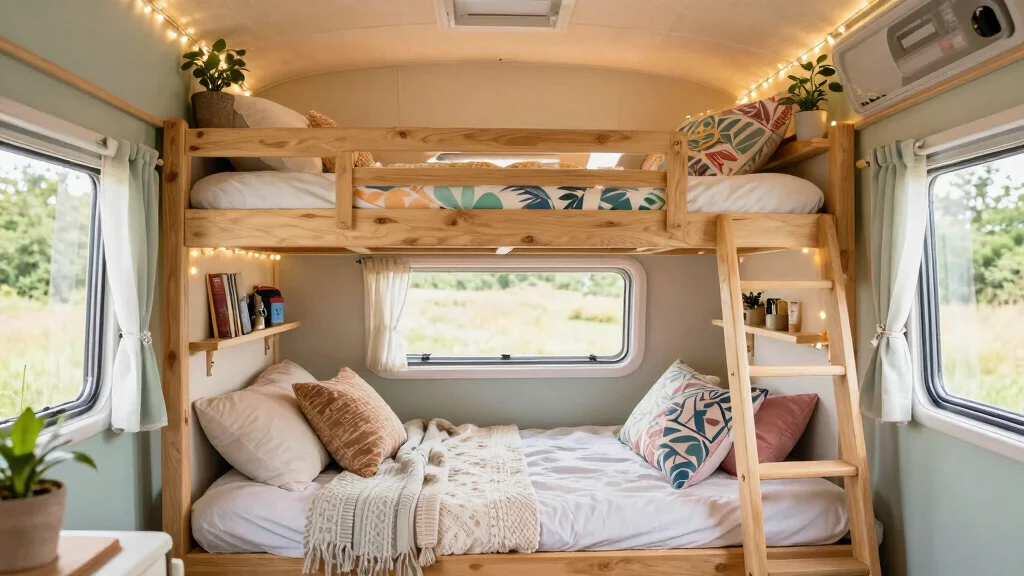
Are you ready to make the most of your small RV sleeping spaces? If you’re anything like me, the cozy charm of camper life is something you cherish. Yet, when it comes to fitting everyone comfortably, especially kids, things can get a bit tricky. That’s why I’ve compiled this guide on 16 DIY camper bunk beds ideas. These solutions not only maximize your space but also add a touch of personalized flair to your RV interior.
If you’re a fellow RV enthusiast or a tiny home lover looking to streamline your living space, you’ll find inspiration here. Whether you want to create fun sleeping arrangements for kids or just need a practical solution for accommodating family and friends, this post is for you. You’ll uncover creative, space-saving designs that balance functionality and style, making your camper feel more like home.
From stacked beds with ample storage to foldable designs that save room during the day, this guide is packed with ideas that can transform your small RV into a cozy sleeping haven. Each idea is designed to be achievable with some basic DIY skills and will help you organize your space like a pro. Get ready to dive into these innovative bunk bed concepts that will enhance your camper experience!
Key Takeaways
– Discover various DIY camper bunk bed designs that maximize your limited RV space while adding functionality.
– Explore unique features such as built-in storage, privacy curtains, and foldable options that cater to your family’s needs.
– Learn how to create multi-use bunk beds that can serve different purposes, like providing extra seating or workspace.
– Get tips on using rustic and modern materials to reflect your personal style while keeping your camper organized.
– Find out how themed designs can make sleeping arrangements fun and engaging for kids, enhancing their camping experience.
Recommended Products
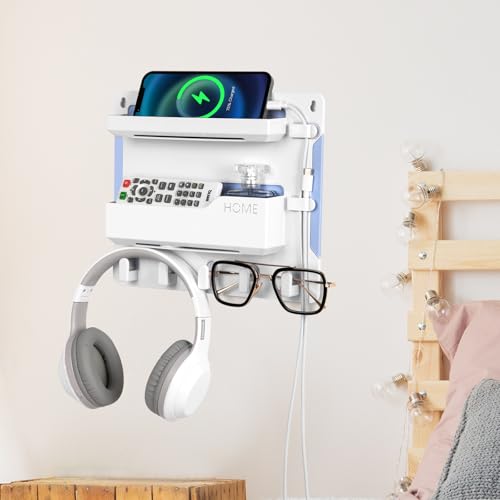
Maximize Your Space: With a large storage capacity, our bedside shelf organizer can hold all your daily essentials, from phone and remote to earphone. without taking up valuable floor space.
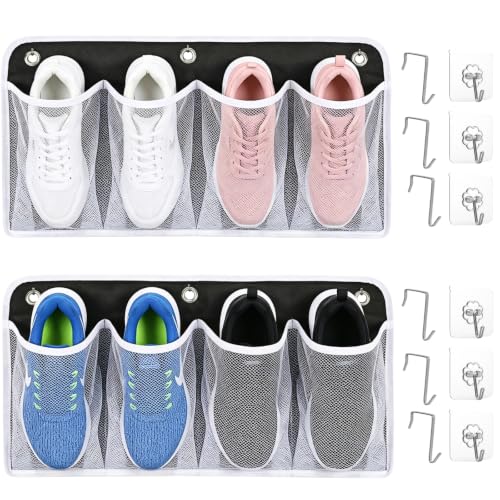
【VARIOUS PLACE CAN USE FOR】This hanging pockets organizer is suitable for various places to use like RV, bedroom, dorm, ward, crib side, tent, windows side, entryway and so on for various items storage and organization and easy use
1. Stacked Bunk Beds with Storage
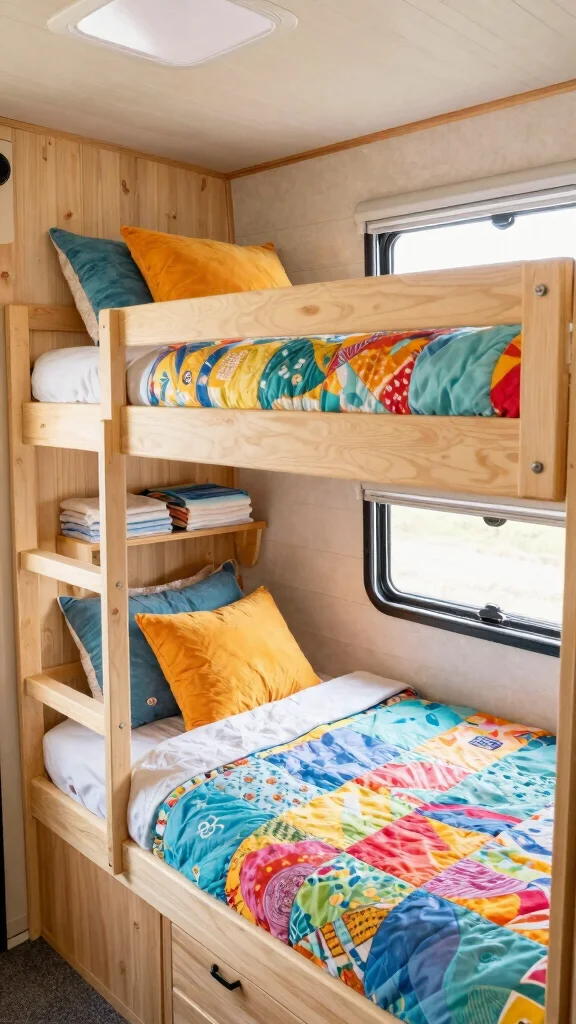
Embrace the charm of stacked bunk beds that cleverly integrate storage solutions. This design maximizes vertical space, offering two cozy sleeping areas while utilizing the lower bunk for storing essentials like camping gear or clothing. The use of sturdy plywood ensures durability, making it a practical choice for any RV.
To enhance functionality, consider installing pull-out drawers or decorative baskets for easy access to your items. This not only keeps your space organized but also aligns with the trend of multifunctional furniture that adds emotional comfort to your travels.
These tips can help you make the most of this design:
– Pair sturdy plywood with vibrant paint for personality.
– Incorporate cozy cushions and textiles for warmth.
– Secure the bunks to walls to ensure safety.
With the right bedding choices, you can create a warm retreat that feels like home after a day of adventure.
Product Recommendations:
Recommended Products

INCLUDES: The set includes 2 cots with head & foot to keep pillow in place, 2 carry bags for hassle-free transport, a set of stack adapters (2 in each bag) for flexible configuration, and 2 locking straps (1 in each bag) for added security.
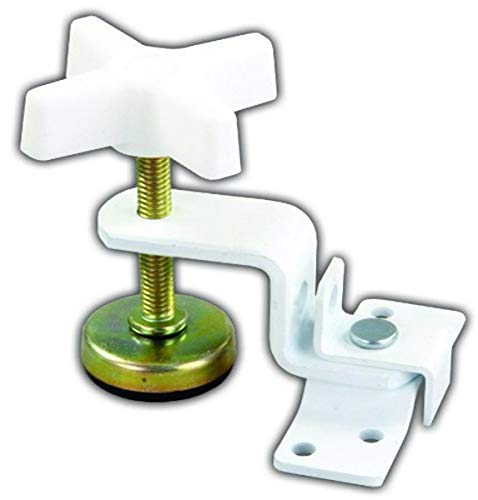
Standard equipment on many RVs with slide-out or fold-out bunk rooms
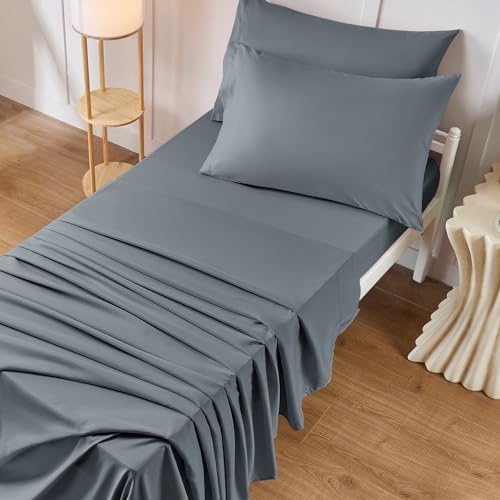
Experience Unmatched Comfort with Our Ultra-Soft Microfiber: Our cot sheets are crafted from high-quality microfiber, offering breathability and a soft feel that's gentle on sensitive skin. It creates a cozy, safe sleeping environment for kids or adults, ensuring restful nights. Suitable for narrow twin sheets setups, this sheet stays comfortable all year round.
2. L-Shaped Bunks for Corner Spaces
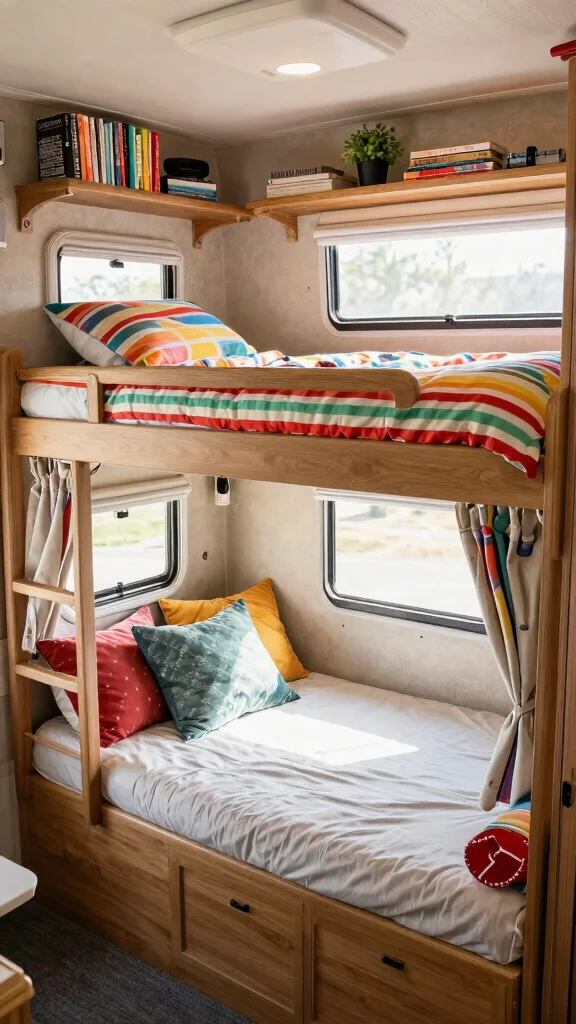
Utilize every inch of your camper with L-shaped bunks that fit snugly into corners. This layout not only maximizes underused space but also creates a unique sleeping arrangement that feels cozy and private. By opting for an L-shape, you can design a nook that’s perfect for relaxation. Add colorful curtains or a small privacy screen for an extra touch.
When implementing this design, ensure there’s ample headroom for the upper bunk, and consider using thicker mattresses for comfort while maintaining safety. Built-in shelves next to the bunks can also provide convenient storage for personal items, enhancing the overall functionality.
Here are a few ideas to consider:
– Position bunks in a corner to optimize space.
– Use vibrant bedding to add color and fun.
– Install shelves for easy access to books and essentials.
This design is especially appealing for families, offering a sense of separation while keeping everyone close together.
Corner bunks turn small spaces into cozy retreats. For your DIY camper bunk beds, an L-shaped setup frees more floor space and creates a private sleep nook—just add a curtain and you’ve got comfort you can actually use in a camper.
Product Recommendations:
• thicker mattress for bunk beds”
Recommended Products

The straight, simple lines add a contemporary touch, with a built-in slide offers extra fun.Featuring a widened ladder, this bed provides extra fun which makes your bedtime more joyful.

[Solid Wood Twin Size Loft Bed Frame] – Made of high-quality solid pine and MDF, it is stable and durable. Supported by wooden slats, no spring box is required.

SLEEPS 4, SPACE-SAVING L-SHAPED DESIGN — Make the most of your room with an L-shaped triple bunk bed designed to accommodate up to 4 sleepers. Three fixed sleeping spaces plus a convenient pull-out trundle provide extra room for siblings, sleepovers, guests, dorm living and shared bedrooms without taking up unnecessary floor space.
3. Foldable Bunk Beds
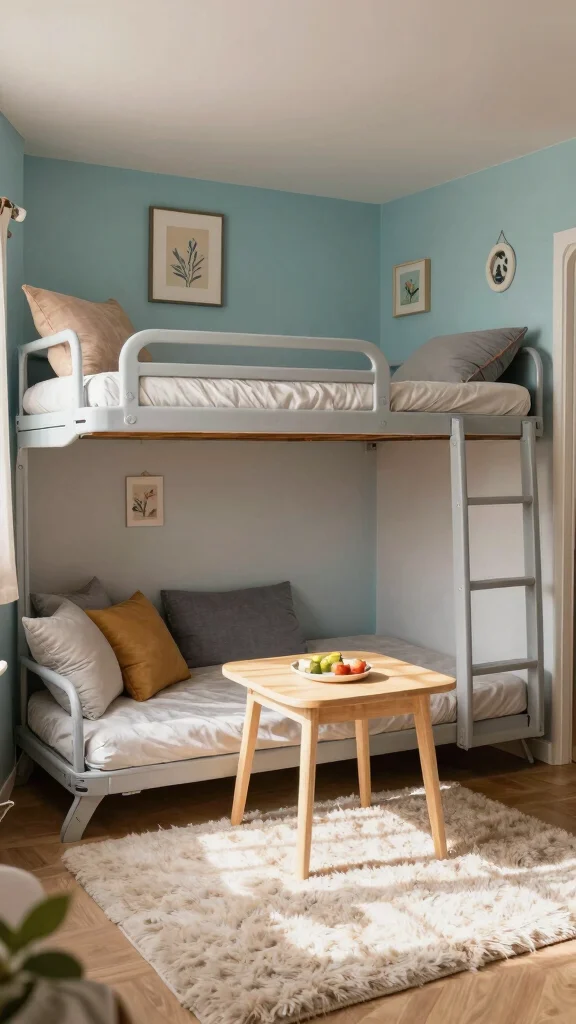
Foldable bunk beds are the perfect solution for maximizing space in your RV. These innovative beds can be easily tucked away when not in use, transforming your sleeping area into a multifunctional space for activities like lounging or play.
Consider using hinges for smooth folding and cushions that securely tie in place when the beds are up. This design allows for quick transitions from night to day, enhancing the versatility of your living area.
Here are some tips for your foldable bunk design:
– Choose lightweight materials for easy handling.
– Design a system for quick bedding access.
– Consider finishes that match your RV’s decor.
These beds not only save space but also add a stylish touch that blends seamlessly with your camper’s aesthetic.
Product Recommendations:
Recommended Products

TESTED & TRUSTED BABY SAFETY BRAND: Regalo bed rails have been trusted by parents for over 30 years. Certified by the Baby Safety Alliance, providing dependable protection for toddlers and young children during sleep.

【Durable Net for RV and Home Use】 Made by Ultra-strong Polyester Netting enough to support Storage box, Blanket and Toys, this RV bunk safety guard enhances overall safety, perfect for camper bunks or standard bunk beds at RV, Motorhome, Trailer, Fifth Wheels. It is ok to as cockpit bed safety net as well.

Thick Padding & Secure Touchpoints: This toddler bed rail features dense anti-collision foam, a soft, skin-friendly jersey fabric, and rounded corners to help protect your child from bumps and bruises
🏡 Transform Your Space Like a Pro
Unlock expert DIY tips to elevate your RV decor and maximize space efficiently and stylishly.
4. Bunk Beds with Privacy Curtains
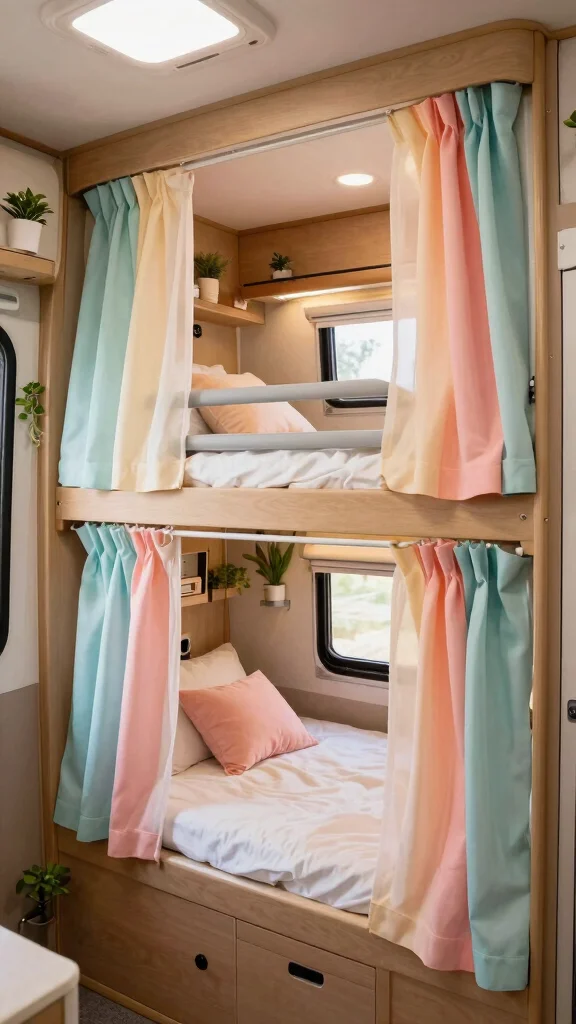
Elevate your sleeping quarters with bunk beds that include privacy curtains. This simple addition can transform each sleeping area into a cozy retreat, offering a sense of personal space for everyone. You can easily sew or purchase curtains that match your decor, allowing for quick adjustments based on preference.
For a successful implementation, opt for lightweight fabrics to avoid adding bulk, and attach the curtains using simple rods or hooks for effortless access. Adding small LED lights for nighttime reading can further enhance the cozy atmosphere.
Consider these tips for your design:
– Use fun patterns that complement the overall style.
– Ensure easy access with simple installation methods.
– Integrate night lights to create a warm ambiance.
These curtains not only enhance privacy but also elevate the overall look of your shared living space.
Recommended Products

[ All In One Package ] – Include curtain track, track rollers, track clips, snap-on brackets, mounting hardware, instruction. To facilitate transportation, ceiling curtain track is packed as a roll. You can straighten track by bending in reverse at the creases and need some patience. More successful tips from our buyers shared in the guide, please refer to.

[Durable Quality] — Curtain track rollers are made of sturdy PVC material, thicker than ordinary plastic curtain track rollers, wear-resistant and durable. Perfect with the ceiling curtain track.

Versatile Ceiling Curtain Track System: Perfect for various spaces, this ceiling curtain track offers a sleek, unobstructed look. Ideal for bedrooms, bathrooms, and bunk bed areas. Flexible and curved options available for unique layouts.
5. Bunk Beds with Built-in Desks
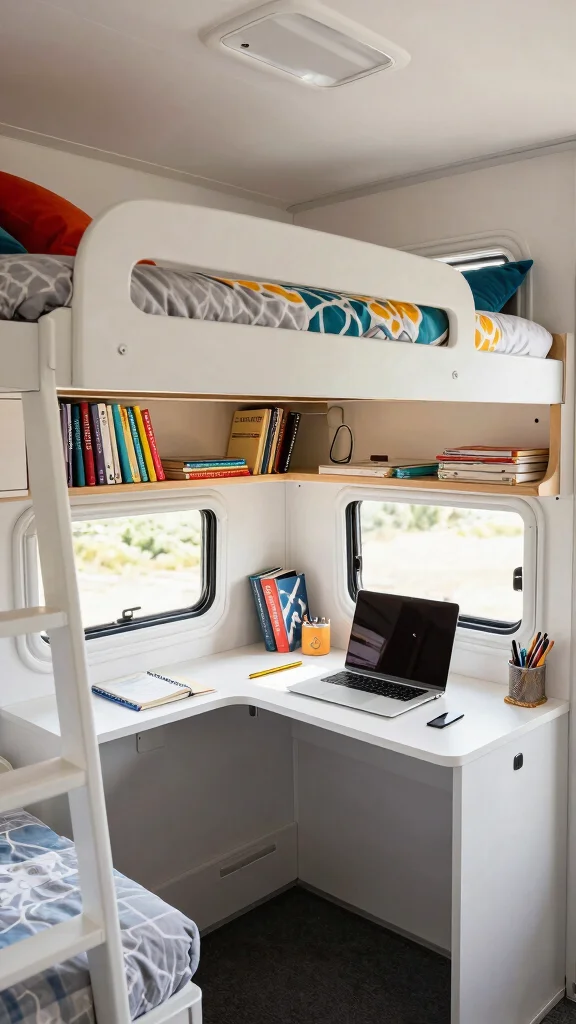
Merge practicality with creativity by designing bunk beds that feature integrated desks. This idea caters to those in need of a workspace on the road, ensuring that every square inch of your RV is utilized effectively. The desk can be part of the lower bunk or designed as a fold-out unit beside it.
Focus on sturdy materials that endure daily use while providing a spacious area for laptops or school supplies. Adding shelves above the desk can further maximize vertical space for books or decorative items.
Here are some considerations for this design:
– Use durable finishes to withstand wear and tear.
– Ensure the desk is large enough for functionality.
– Incorporate storage options to keep supplies organized.
This approach creates a sleeping area that doubles as a dedicated workspace, perfect for families on the go.
Recommended Products

GOOD QUALITY – Made of 600D Waterproof Oxford Fabric with reinforced stitching, easily attaches to bed rail using three adjustable heavy duty velcro straps, keep the bedside caddy securely in place, durable enough to withstand heavy weight. Easy to use, no assembly required.

Bedside Wall Organizer for Daily Essentials: Keep your phone, remote, glasses, earbuds, cosmetics, small book, or other bedside items within easy reach. This bedside wall organizer creates a compact storage spot next to your bed without taking up floor space, making it a practical choice for small bedrooms, dorm rooms, loft beds, bunk beds, and RV sleeping areas.

Valuable Package: You will get 2 pack large bedside caddy, each caddy has 1 pocket and 2 adjustable hooks. 12.6"L x 4.7"W x 4.7"H. Hook onto a bed/cabinet rail within 3cm thickness well.
6. Rustic Wooden Bunk Beds
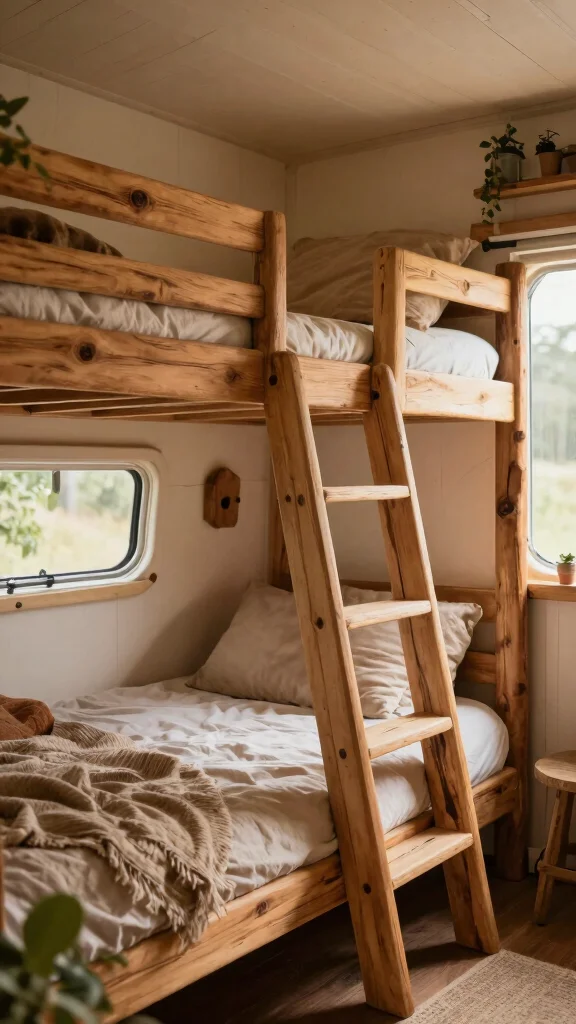
For those who appreciate a natural aesthetic, rustic wooden bunk beds can infuse warmth and charm into your RV. Utilizing reclaimed wood adds a unique character to your space, with the wood’s natural grain beautifully showcased through simple stains or oils.
When designing, select sturdy wood that can support weight over time, and consider adding a ladder or stairs for safe access to the upper bunk. Soft, earthy-toned bedding can complement the rustic vibe, enhancing the cozy feel of your space.
Keep these features in mind:
– Choose durable wood that withstands travel.
– Integrate safety features with ladders or stairs.
– Decorate with textiles in natural hues.
This design not only adds a welcoming touch but also allows you to feel connected to nature while traveling.
Did you know reclaimed wood can cut weight and add character, often saving up to 20% of your RV’s cabin weight? Pair rustic wooden bunk beds with a sturdy ladder and earthy stains to keep the space warm, safe, and beautifully practical.
Recommended Products

Value Pack: with each purchase, you will receive 2 dark gray fitted sheets (Mattress not included), ensuring you always have a fresh replacement at hand; Please note that the package does not include the mattress, meaning it will need to be purchased separately; With these sheets, you can bring a touch of elegance and comfort to any bedroom setup

Stay Put All Night: The fabric with 4-way flexibility tech stretches over the mattress and stays in place securely all night, no more slipping off, moving or wrinkling, fits tightly and prevent scratching from your pets like dog or cat, also kids friendly

Secures fold-out bunks on travel trailer for travel
7. Multi-Use Sofa Bunk Beds
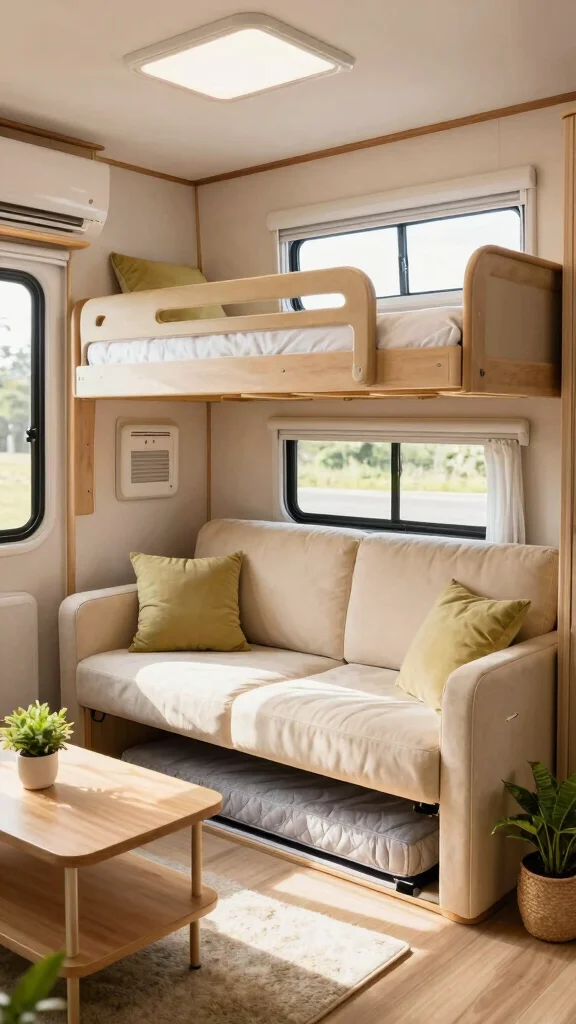
For maximum adaptability, consider a multi-use sofa bunk bed design. This clever setup allows the bed to fold down from a comfortable sofa, providing both seating and sleeping options in one compact solution. It’s perfect for smaller RVs, combining comfort with space-saving efficiency.
Ensure that the mattress is easy to fold and unfold, and select durable, easy-to-clean fabrics. Incorporating cushions that serve both as seating and sleeping essentials adds to the design’s versatility.
Here are some tips for implementing this design:
– Choose a mattress that easily transitions between uses.
– Opt for stain-resistant fabrics for longevity.
– Include cushions that offer comfort and style.
This setup maximizes your living area while providing a stylish solution for guests and family.
Recommended Products

【L Shaped Bunk Bed】 This wooden bunk bed frame is composed of two bunk bed which creates a L shaped design, suitable for putting in corner, great for those who want to save space. This bunk beds not only offers great fun for kid’s bedtime but also adds highlights to bedroom. Overall Product Dimension: 118"L x 80"W x 60"H, Every bed : 76” x 39” (L x W)

【Maximized Space-Saving】This bunk bed for 3 is perfect solution for cottages, multi-child family , out-of-town guests or hosting your child’s friends or sleepover. L-shaped bunk bed offers space saving design is configured to fit in the corner of the room. The space under the lower beds is offered to store away your kids toys and bedding. Functional and aesthetic, this bunk bed will enhance any bedroom.

Maximize Space with This L-Shaped Corner Bed with Pull-Out Trundle: Transform your room's unused corner into a sleep hub with this innovative L-shaped corner bed, featuring two built-in twin beds and a pull-out trundle bed underneath. This 3-in-1 bunk bed comfortably sleeps three, making it an ideal space-saving solution for shared kids' rooms, sleepovers, or multi-child families in small apartments
You might also like
8. Bunk Beds with Nesting Features
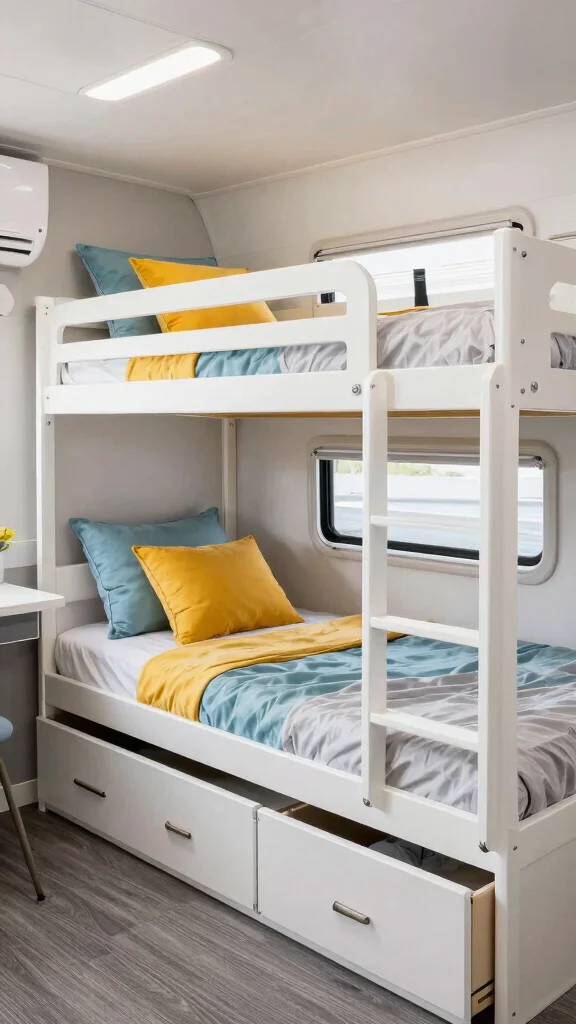
Nesting bunk beds offer a flexible and innovative sleeping solution for travelers. These beds can be stacked or separated, allowing you to adjust the sleeping arrangement based on your needs. This design is especially practical for accommodating varying numbers of guests.
Emphasize lightweight materials for easy transportation and ensure the beds lock securely when stacked. Clever storage options like drawers or cubbies can help keep the area organized and clutter-free.
Consider these features for your design:
– Use lightweight materials for easy adjustments.
– Design secure locking mechanisms for stacking.
– Incorporate storage solutions for organization.
This approach not only accommodates more people but also offers versatility, making it ideal for adventurers.
Product Recommendations:
• lightweight folding bunk bed”
Recommended Products

【Durable Net for RV and Home Use】 Made by Ultra-strong Polyester Netting enough to support Storage box, Blanket and Toys, this RV bunk safety guard enhances overall safety, perfect for camper bunks or standard bunk beds at RV, Motorhome, Trailer, Fifth Wheels. It is ok to as cockpit bed safety net as well.

Durable Net for RV and Home Use: Made by Ultra-strong Polyester Netting enough to support Storage box, Blanket and Toys, this RV bunk safety guard enhances overall safety, perfect for camper bunks or standard bunk beds at RV, Motorhome, Trailer, Fifth Wheels. It is ok to as cockpit bed safety net as well.

[ Protect Your Baby's Safety ]: This extra-long bedrail is 59 inches long for added safety. When your kids sleep alone at night, it can provide them with the best protection and safe sleeping environment. It is your kid's safety guard, so you don't have to worry about your baby falling off the bed.
Dimensions & Size Guide
When planning your DIY camper bunk beds, understanding dimensions and space requirements is crucial. Proper measurements ensure comfort and functionality in your limited RV sleeping spaces.
Standard Sizes & Measurements:
Common bunk bed dimensions vary. Here’s a quick breakdown:
– Twin Bunk Size: Typically 38″ x 75″. Ideal for single sleepers and fits most small RVs.
– Full Bunk Size: Measures 54″ x 75″. Great for a cozy setup, but requires more space.
– Height Considerations: Standard bunks are about 60″ high. Ensure you have at least 30″ above the top bunk for safety and comfort.
– Width for Side Access: Allow a minimum of 30″ for side access to the bottom bunk and for climbing safety.
When planning, keep in mind the minimum space requirements. A twin bunk bed setup needs around 80″ in length, and at least 42″ in width for safe movement around the beds. For a full bunk bed, you’ll need a bit more—around 85″ long and 54″ wide.
Quick Reference Table:
Here’s a simple comparison of sizes with their ideal use cases:
Size/Dimension – Best for: [use case], Minimum space needed: [measurement]
– Twin Bunk (38” x 75”) – Best for: Single sleeper, Minimum space needed: 80” long x 42” wide
– Full Bunk (54” x 75”) – Best for: Couples or older kids, Minimum space needed: 85” long x 54” wide
– Triple Bunk (38” x 75” stacked) – Best for: Maximizing vertical space, Minimum space needed: 80” long x 42” wide
– Corner Bunk (L-Shaped) – Best for: Corner nook, Minimum space needed: 75” x 75” (depends on design)
Space Planning Tips:
1. Measure Twice: Always double-check your measurements before cutting or buying materials. It saves time and materials. ✔
2. Account for Climbing Space: Ensure there’s enough headroom for climbing in and out. Aim for at least 36″ of vertical space above the top bunk.
3. Consider Weight Limits: Check the weight capacity of your materials. Ensure safety by not overloading your bunks.
4. Think About Accessibility: Plan for easy access to each bunk. The bottom bunk should be easily reachable, especially for younger ones or anyone with mobility issues.
5. Leave Room for Furniture: If you plan to add storage or seating around the beds, factor that in your space measurement. It helps avoid a cramped feel. 🚀
Common Mistakes to Avoid:
– Skipping the headroom measurement can lead to uncomfortable sleeping arrangements.
– Not allowing for movement space can make climbing in and out difficult.
– Forgetting to account for the thickness of mattresses when calculating total height.
Pro Tip: The most important measurement to consider is the height from the floor to the ceiling of your RV. This determines how tall your bunk beds can be while still allowing for enough headroom above the top bunk. Always aim for at least 30″ above the top bunk for comfort and safety! 💡
Recommended Products

BLACKOUT FABRIC:These draperies are made of microfiber polyester material.Black yarn woven within two soft solid plain colored layers make the curtains 75-100% blackout performance.White is about 75% black-out.

【Blackout Sleep Privacy】Designed for college students, international students, and daytime sleepers, these bunk bed curtains help reduce incoming light around dormitory bunk beds and loft beds. Create a darker personal sleeping space for studying, resting, and sleeping in shared rooms, especially for night-shift workers and light-sensitive sleepers.

3-Layer Thick Material: Front is texture layer, middle is blackout wire, back is texture wire. You can use either side as outer side. The fabric is soft and breathable. And machine washable, no color fade after wash
9. DIY Bunk Beds with Themes
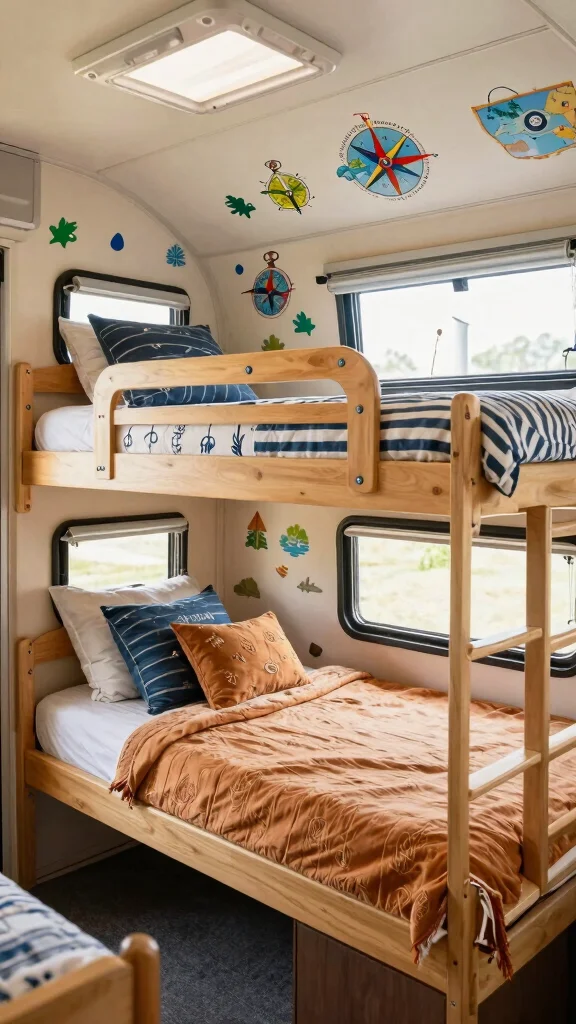
Unleash your creativity by designing themed bunk beds that reflect your family’s interests! Whether you opt for a nautical theme, adventure motifs, or a fairy-tale castle, personalizing the space makes it feel special.
Attention to detail through colors, patterns, and decorative elements can harmonize beautifully with your RV’s overall design.
Here are some tips for thematic design:
– Use removable wall decals for easy updates.
– Incorporate themed bedding and cushions for a cohesive look.
– Add decorative items that match the theme for added charm.
This customized approach not only enhances your camper’s ambiance but also creates a fun, inviting space for everyone.
Product Recommendations:
10. Minimalist Bunk Beds
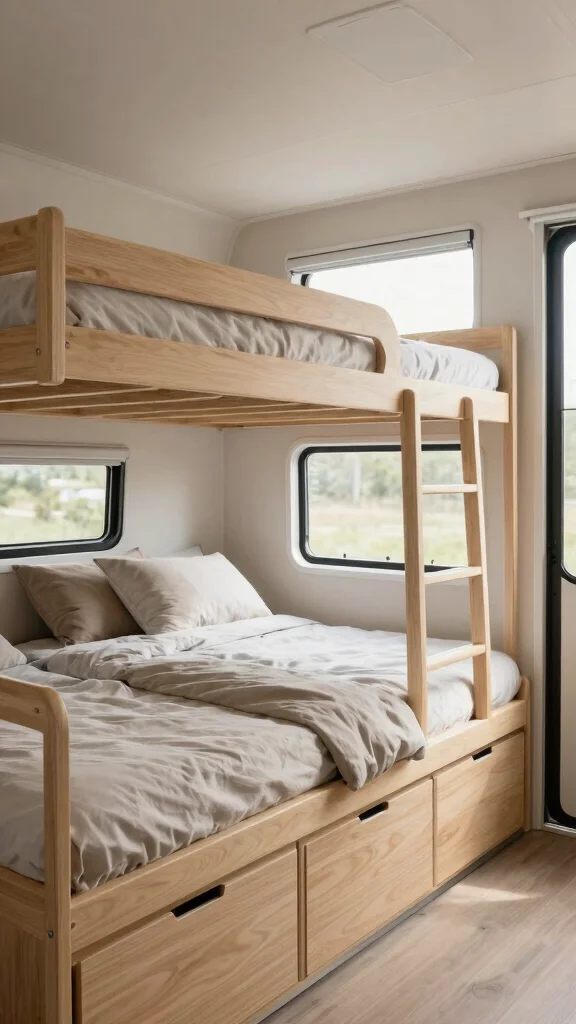
Embrace simplicity with minimalist bunk bed designs that prioritize functionality without sacrificing style. These designs usually feature clean lines and neutral colors, creating a spacious and calming atmosphere in your RV.
Focus on high-quality materials that provide durability while remaining lightweight. Keep bedding fresh and simple, using a few coordinated colors to maintain a serene environment.
Remember these essential features:
– Use durable materials that won’t weigh down the design.
– Keep bedding colors coordinated for a clean look.
– Incorporate under-bed storage solutions to reduce clutter.
This approach fosters a peaceful environment, ensuring your RV feels open and inviting.
11. Customizable Bunk Beds
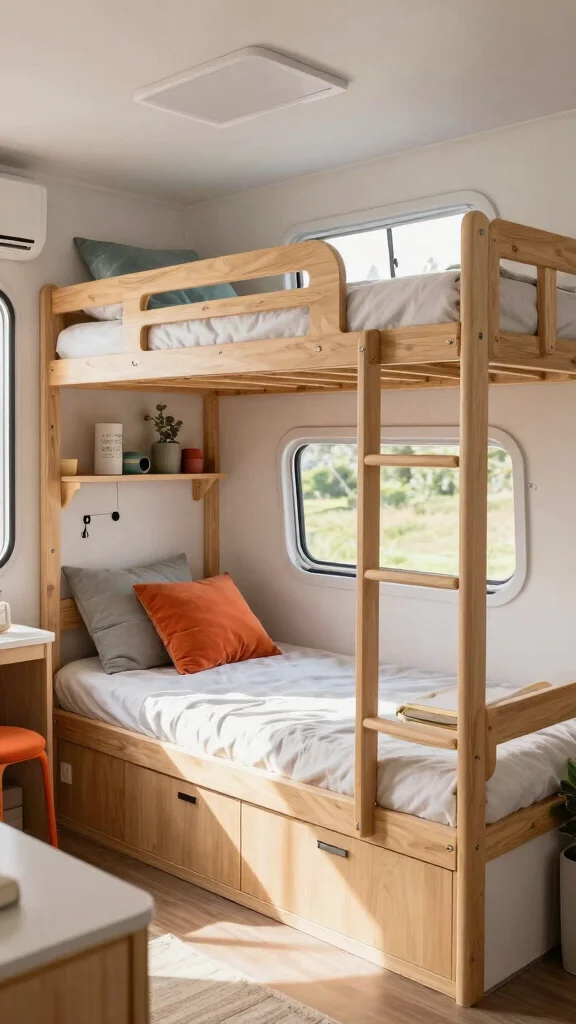
Tailor your bunk beds to meet your specific needs and style preferences. Customizable designs can include adjustable heights, widths, and modular components that can be rearranged as necessary. This flexibility allows your sleeping space to evolve alongside your activities.
To ensure smooth adjustments, use simple hardware and design with modular components that can be easily added or removed. Prioritize safety features to maintain security with any changes you make.
Consider these features for your customizable design:
– Make adjustments easy with user-friendly hardware.
– Incorporate modular components for versatility.
– Ensure safety features are a priority in all adjustments.
This approach ensures you maximize your RV’s interior, accommodating changing needs as your adventures unfold.
12. Bunk Beds with Integrated Lighting
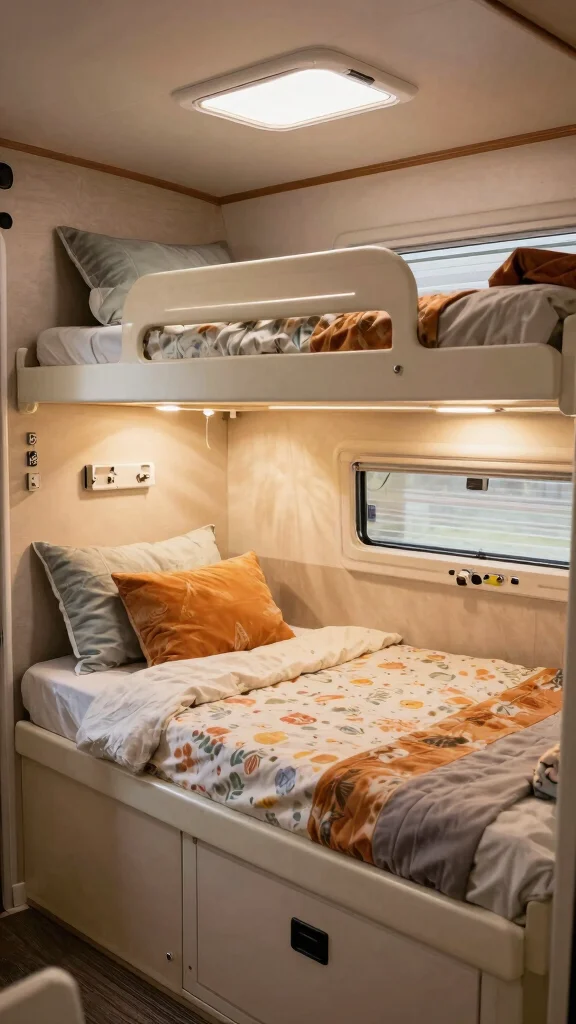
Enhance your bunk beds with integrated lighting for both flair and functionality! Consider installing LED strips along the bed frame or small reading lights for each sleeping area. This addition not only brightens the space but also provides practical lighting for nighttime activities.
Select energy-efficient lighting options to conserve battery, and be mindful of wiring to avoid clutter in your camper. Dimmable lights can offer adjustable brightness, creating a cozy environment.
Here are some implementation tips:
– Opt for energy-efficient lighting for sustainability.
– Wire lights neatly to maintain a tidy appearance.
– Choose dimmable options for customizable brightness.
Incorporating lighting not only enhances functionality but also creates an inviting atmosphere that feels warm and welcoming.
You Might Also Like
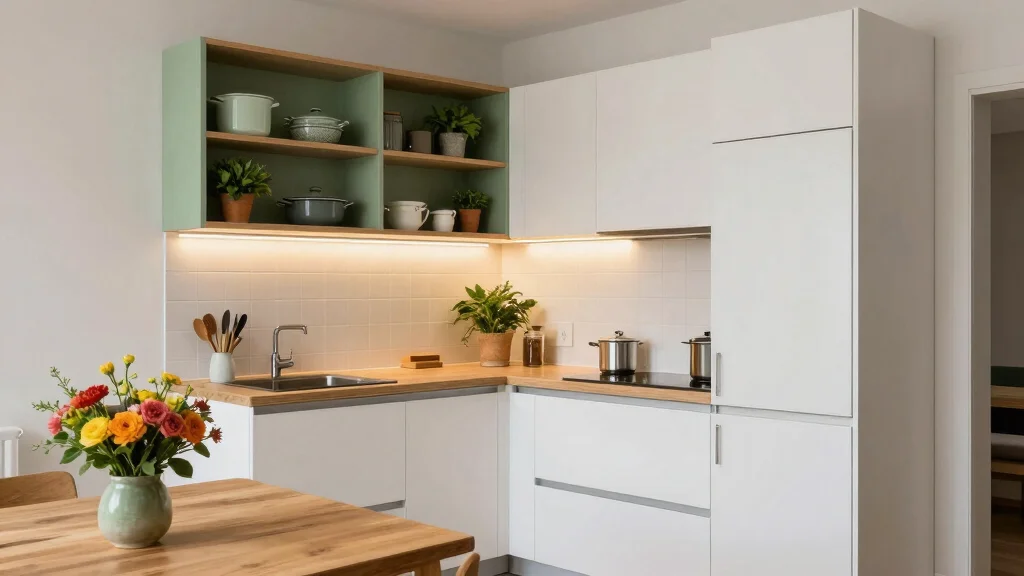
13. Bunk Beds with Hanging Elements
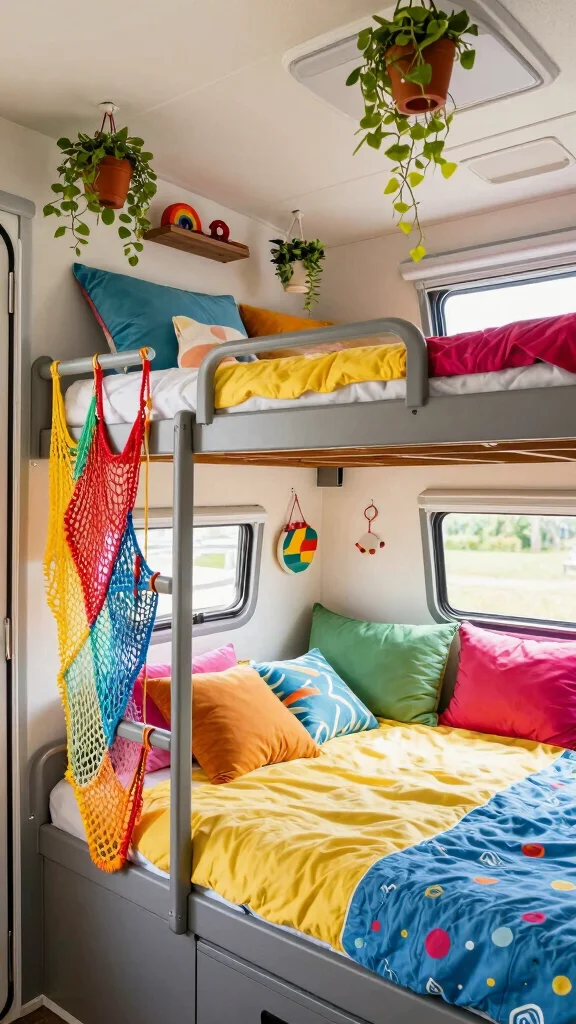
Add style and functionality to your bunk bed design with hanging elements. You can incorporate hanging organizers for clothes and accessories or decorative pieces that bring character to the sleeping area.
Consider using hanging nets or pockets for storing small items like books or toys, and decorative hooks for bags or jackets. Colorful hanging plants can also liven up the space, adding a touch of nature.
Here are some ideas to consider:
– Use hanging nets for organized storage.
– Hang decorative hooks for extra functionality.
– Integrate plants to enhance the ambiance.
These elements not only keep your space organized but also bring a playful and vibrant touch to your camper.
14. Bunk Beds with Foldable Stairs
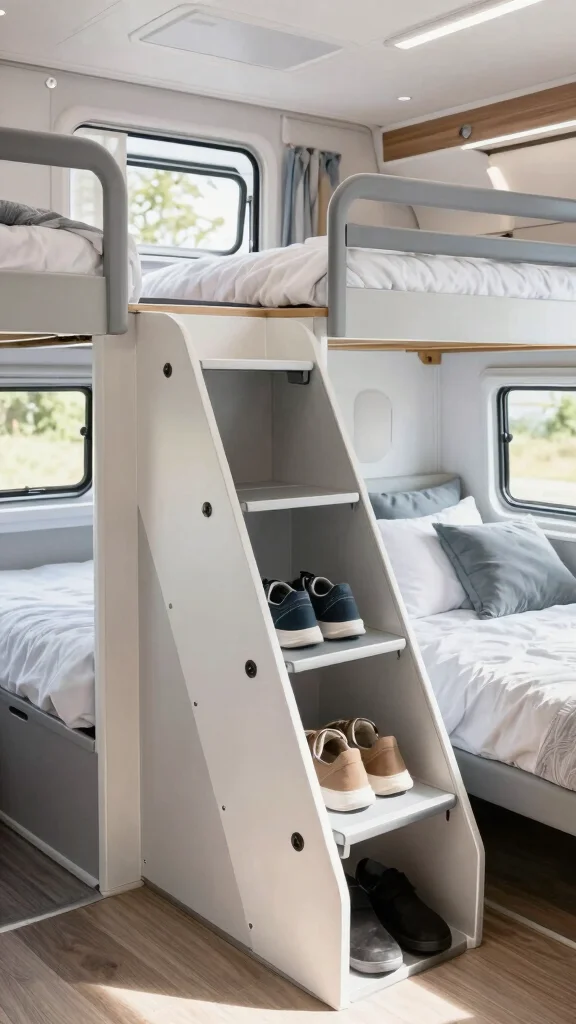
Make accessing the upper bunks easier with foldable stairs! This practical addition saves space when not in use and can be designed to enhance your camper’s overall aesthetic.
When designing, opt for lightweight materials to keep the stairs portable and create a locking mechanism to secure them during use. Integration of storage into the steps can turn them into functional pieces, adding further practicality.
Consider these design tips:
– Use lightweight materials for easy transport.
– Design a locking system for safety.
– Incorporate storage to maximize functionality.
Foldable stairs improve accessibility while contributing to your camper’s unique design, adding innovation to your living space.
15. Compact Bunk Beds
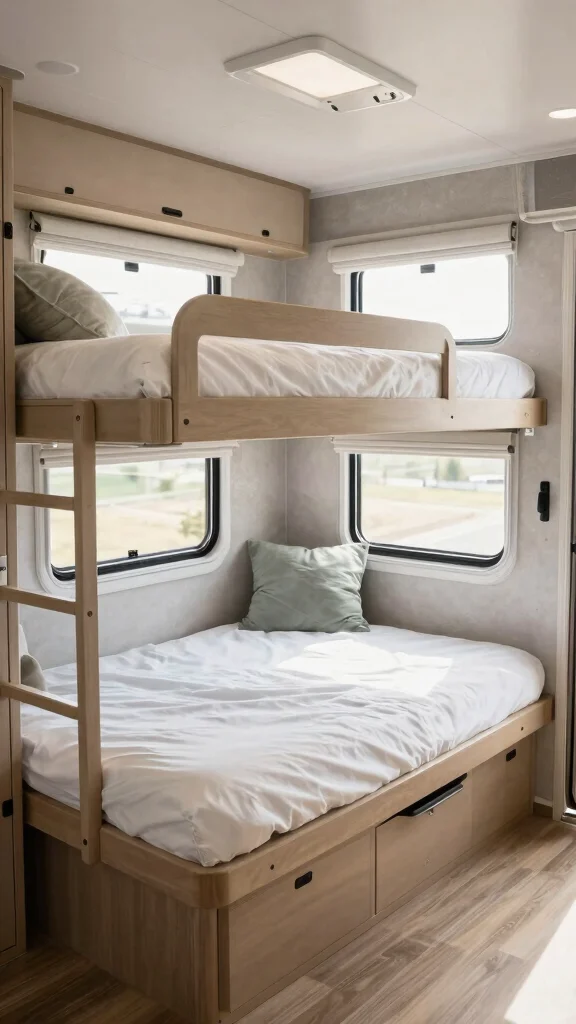
Compact bunk beds provide the perfect solution for maximizing limited space. This design emphasizes minimizing the footprint while ensuring comfort is not sacrificed.
Choose styles that hug the walls or corners, allowing for more open space for movement throughout the RV.
Keep these features in mind:
– Select thinner mattresses that still offer comfort.
– Look for designs that utilize vertical space effectively.
– Ensure all components are lightweight for easy adjustments.
With smart compact designs, you can create a functional sleeping area that feels open and comfortable.
16. Themed Children’s Bunk Beds
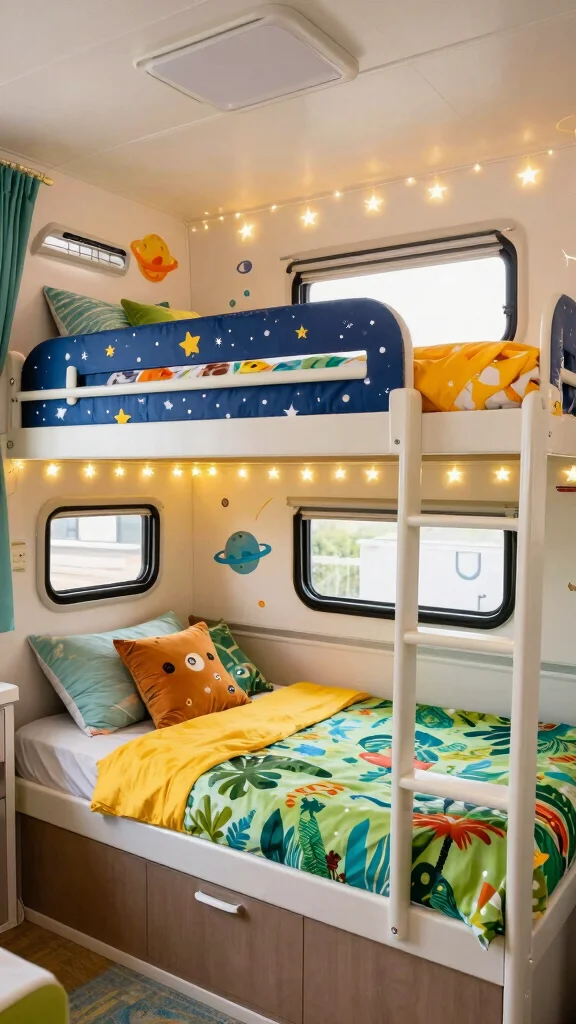
Create a whimsical sleeping environment for kids with themed bunk beds! Whether they dream of outer space, the jungle, or their favorite cartoons, personalizing the sleep area can make camping adventures even more magical.
Use vibrant colors, themed bedding, and fun decals to craft the perfect atmosphere for young adventurers.
Here are some tips for thematic design:
– Get creative with wall art that matches the theme.
– Incorporate playful lighting options for added flair.
– Use themed cushions or toys to enhance comfort and fun.
This unique approach not only makes bedtime exciting but also creates lasting memories while on the road.
Fun fact: themed bunk beds can reclaim up to 20% more usable sleep space in a tiny RV thanks to smart vertical layouts. With diy camper bunk beds, mix bold colors, theme bedding, and decals—turn naps into portable adventures. Pro tip: add wall art that matches the theme.
Conclusion
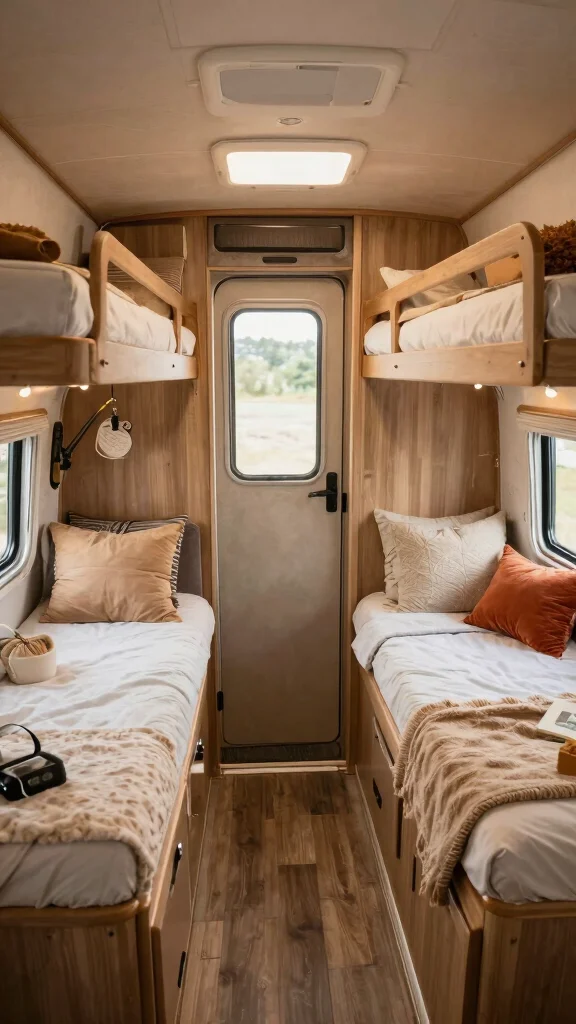
Designing the perfect sleeping space in a small camper doesn’t have to be daunting.
With these 16 unique DIY camper bunk bed ideas, you can create a cozy, functional, and stylish environment that meets your needs.
From maximizing space to adding personal touches, these designs inspire many creative possibilities that bring comfort to your travels.
Note: We aim to provide accurate product links, but some may occasionally expire or become unavailable. If this happens, please search directly on Amazon for the product or a suitable alternative.
This post contains Amazon affiliate links, meaning we may earn a small commission if you purchase through our links, at no extra cost to you.
Frequently Asked Questions
What are the most practical diy camper bunk beds ideas for small RV sleeping spaces?
Want to maximize a compact RV sleeping area without sacrificing comfort? The article ’16 DIY Camper Bunk Beds Ideas for Small RV Sleeping Spaces’ showcases practical, space-saving bunk bed ideas that fit tight footprints. From low-profile ladder designs to fold-away bunks, these options emphasize small space solutions and RV interior design crafted for real-life camping. Start by measuring your section height, bed width, and door clearance, then pick a design that keeps stairs or ladders off the main walkway. Choose lightweight materials like plywood or poplar, add guard rails for safety, and anchor bunks to wall studs to prevent wobble. Finish with slim, comfortable mattresses to save headroom and keep the bed within reach. Each idea is described with actionable steps you can tackle in a weekend.
How can I build safe and sturdy diy camper bunk beds without adding too much weight?
Safety and weight are key in a camper. For diy camper bunk beds, opt lightweight, strong materials such as 1/2 inch or 3/4 inch plywood for platforms, combined with poplar framing. Use aluminum L-brackets or steel angle brackets to reinforce corners, and secure the frame into wall studs or a reinforced camper cabinet face. Always add guard rails on three sides and a sturdy ladder or steps anchored to the bed frame. Use a simple platform with a minimal mattress (3-4 inch thick) to avoid top-heavy feel. Finally, distribute weight evenly and test before hitting the road—the goal is a stable, rock-solid bunk that doesn’t tax the RV’s weight limits.
What materials and tools are best for DIY camper bunk beds in small spaces?
For a durable, easy-to-build setup, choose lightweight yet strong materials like plywood (3/4 inch for platforms) or softwood framing, plus aluminum brackets and corrosion-resistant hardware. Use thin, dense foam or memory foam mattresses to keep the clearance. Tools you’ll need: saw, drill, impact driver, measuring tape, level, screws, wood glue, clamps. Fasteners should be corrosion-resistant and sized for the plywood thickness. If you’re saving weight, consider a floating or recessed bunk design that anchors into cabinetry rather than free-standing legs. Finish with non-slip bed surfaces and optional quick-release straps for safety.
How can I maximize storage and camper organization with bunk beds?
Maximize under-bunk storage by adding shallow drawers or slide-out bins you can access from the bed end. Build a small shelf or cubby on the headboard for electronics, books, or chargers. Use the space between bunks for stacked totes or a hanging organizer on the bed rail. Consider a bunk that folds up to reveal storage compartments or a lift-assist mechanism to access the space below without crawling under the bed. For daily camper organization tips, label containers, use uniform-size bins, and keep out-of-season gear in a second storage area. These ideas keep camper organization tips practical while preserving floor space.
Are DIY camper bunk beds suitable for adults or kids, and what mattress sizes work best in small RVs?
DIY camper bunk beds can be designed for both adults and kids, but plan for your specific weight limits and headroom. Most RV bunks use twin or full-size mattresses; for adults, a full-size bunk can be more comfortable, but you’ll need extra clearance and sturdy framing. Aim for 4-6 inch mattresses to keep ceiling height usable and avoid hitting the top bunk. If space is extra tight, use thin memory foam toppers on slim platform beds. Always verify the RV’s gross vehicle weight rating (GVWR) and ensure the bunk design stays within those limits. The key is to tailor the build to your family’s needs while keeping RV interior design and small space solutions principles in mind.
Related Topics
diy camper bunk beds
small space solutions
RV interior design
camper organization tips
easy DIY projects
creative sleeping arrangements
space-saving furniture
budget friendly decor
minimalist RV design
family-friendly camping
compact living
beginner friendly
Leave a Reply