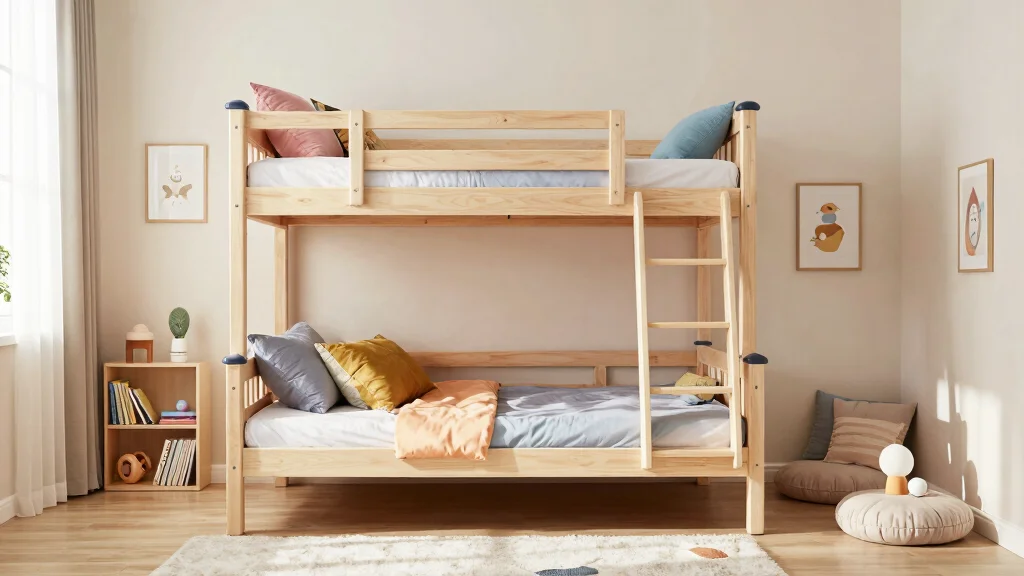
Creating a cozy and functional bedroom for your kids can be a challenge, especially when space is limited. With the right design, you can transform a small area into a creative haven that feels open and inviting. That’s why I put together this post about DIY bunk beds plans. If you’re on a quest to maximize your bedroom space while adding some flair, this guide is just for you.
Whether you’re a parent looking to optimize your child’s room or an adult seeking clever ways to make the most of your space, you’ll find plenty of inspiration here. Each bunk bed idea not only serves the practical purpose of saving space but also allows you to express creativity. From a classic wooden design to a themed bunk bed that sparks imagination, these plans are perfect for any style and skill level.
In this post, you’ll discover 20 DIY bunk bed designs that combine style and function. Each plan comes with unique features that can transform any bedroom into a playful and organized environment. Get ready to dive into ideas that are innovative, practical, and sure to impress anyone who sets foot in your home!
Key Takeaways
– Explore 20 unique DIY bunk bed plans tailored for small spaces, helping you maximize every inch of your bedroom.
– Discover creative themes and styles, from classic wooden designs to modern lofted setups, ensuring there’s something for everyone’s taste.
– Each plan includes step-by-step instructions to make building your own bunk bed manageable, regardless of your DIY experience.
– Learn about space-saving features like under-bed storage and multi-functional designs that enhance organization and utility.
– Get tips on personalizing your bunk bed to match your child’s interests, turning a simple bed into a fun focal point of the room.
Recommended Products

【Saving and Creating Space】DICTAC bunk beds provide two sleeping areas that do not interfere with each other, and also create more opportunities for siblings or friends to interact before going to bed, enhancing their feelings and communication with each other. L-shaped space-saving design with desk,drawers and shelves,maximizes the use of small spaces,enhances utility and convenience,perfect for multi-child families with limited living space or dormitories guest rooms.

Ultimate Space-Saving Workstation with Storage: The Dnxao loft bed with desk defines your room's potential. This vertical design features an integrated desk and 6 large fabric drawers for clothing, creating a productive micro-office or study zone in compact dorms and small bedrooms

【Full Size Loft Bed with Storage Shelf】This full size loft bed offers an elevated sleep space with a long upper storage shelf to keep phones, books, or clothes within reach. and the mesh guard keeps items secure. A space-saving metal loft bed full size design ideal for teens or adults who need practical daily organization.
1. The Classic Wooden Bunk Bed
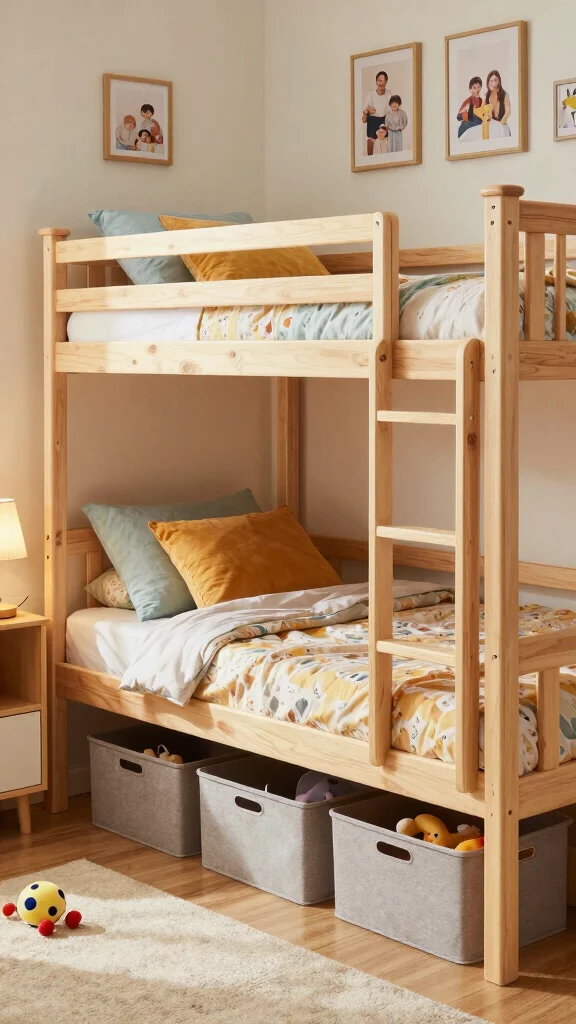
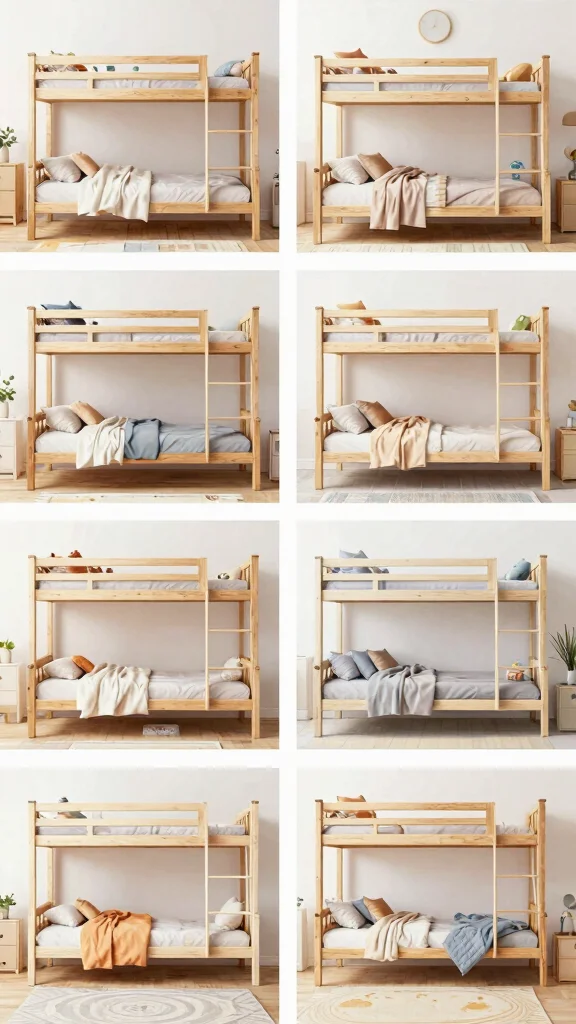
The classic wooden bunk bed embodies a perfect blend of elegance and functionality. This time-honored design resonates with warmth and durability, making it a beloved choice for both children and teens. Crafted from sturdy materials like pine or oak, it brings a sense of nostalgia while seamlessly fitting into various bedroom aesthetics. You can elevate its appeal by adding a fresh coat of paint or a stylish stain, allowing it to harmonize with your existing decor. Consider enhancing functionality with built-in storage drawers beneath the lower bunk for a tidy and organized space.
To make the most of this timeless design, here are some practical tips:
– Choose pine for a budget-friendly option or oak for a more polished finish.
– Personalize with your child’s favorite colors or themes for a unique touch.
– Ensure guardrails are included for safety on the upper bunk.
This classic design not only provides a sturdy sleeping solution but also inspires creativity and comfort in compact spaces.
Recommended Products

[Multiple Color & Lighting Modes] – Enjoy a variety of colors and lighting modes with 40 stars on the 20ft hanging star lights, including 16 steady colors, 2 mixed colors, and 7 main modes controlled by a remote for vibrant and dynamic atmospheres.

【Dimensions】:bunk bed curtains measure to 78"L x 39"W x 33"H for 3PCS(free 2.5m 2* top rope , 2* strap , 18* hook ). Warm Tips: The twins size of the restricted bed is 78"L x 41.5"W x 45"H.Note:This bed curtains suitable for small low bunk or small floor bunk.

🏡 Transform Your Home Today!
Unlock the secrets to stunning DIY makeovers that maximize your small space with style and creativity.
2. The Lofted Study Bunk
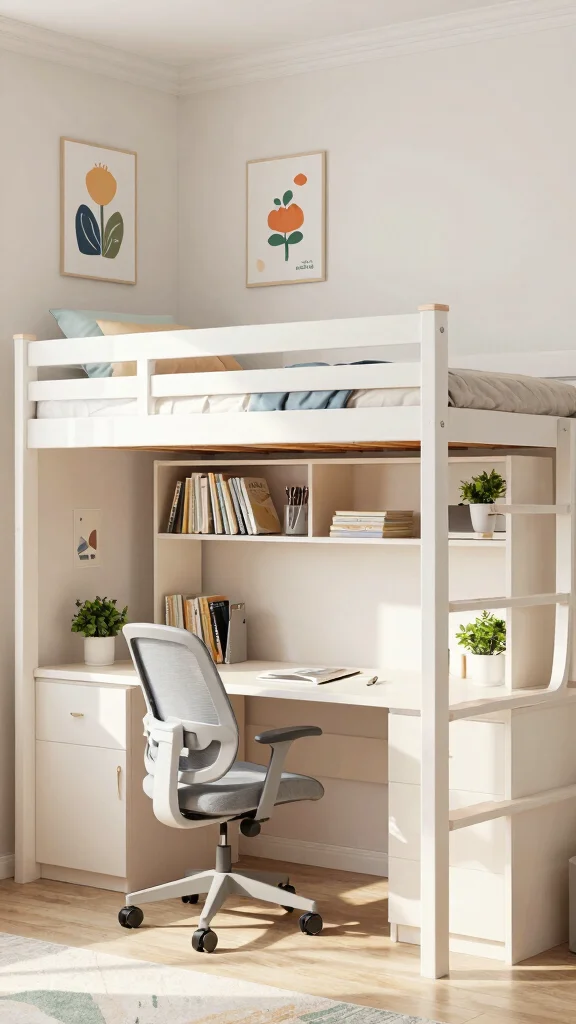
The lofted study bunk is an ideal solution for maximizing space while creating a dedicated workspace. This innovative design elevates the sleeping area, leaving room below for a cozy desk and study nook. With a comfortable mattress above, the lower area can be outfitted with a desk, chair, and shelves for books and supplies, fostering a productive environment perfect for homework or creative projects. Adding personal touches like plants or artwork can transform this nook into an inspiring corner.
Here are some essential features to consider:
– Install task lighting at the desk for improved visibility.
– Utilize floating shelves to maximize vertical space.
– Opt for calming colors to create a focused atmosphere.
This dual-purpose design not only accommodates sleep but also nurtures study habits, making it a fun and inviting space.
Fun fact: using diy bunk beds plans for a lofted study bunk can reclaim up to 40% of floor space in a small room. Elevate the sleeping area and tuck a desk below for homework, art, and projects—no clutter, just productive vibes.
Recommended Products
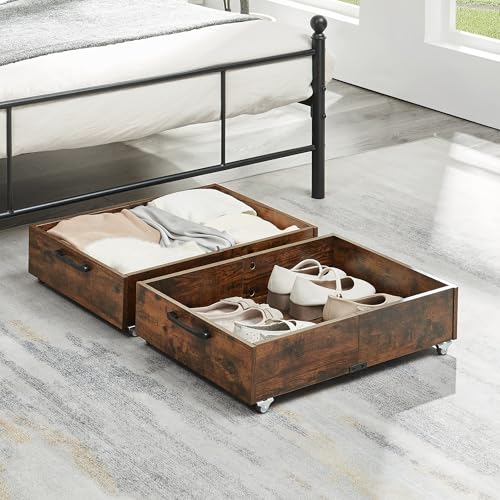
【Solid Engineered Wood Construction for Long-lasting】: Crafted from sturdy particleboard, these underbed drawers are built to withstand heavy daily use. They offer superior strength and longevity compared to fabric organizers, protecting your belongings for years

【Twin over Full Bunk Bed with Storage】 Four compartments of different sizes hide underneath the stairs of this bunk bed and are perfect for you to store quilts, bed sheets and other necessities. On top of that, you can store books and toys, making room-tidying a breeze. Upper bunk – 76.3''x 42.8'' (L x W). Bottom bunk – 76.3''x 57.8'' (L x W).

Smart Storage: Wooden underbed drawers add convenient underbed storage for clothes and extra bedding without taking up floor space.
3. The Adventurer’s Bunk Bed
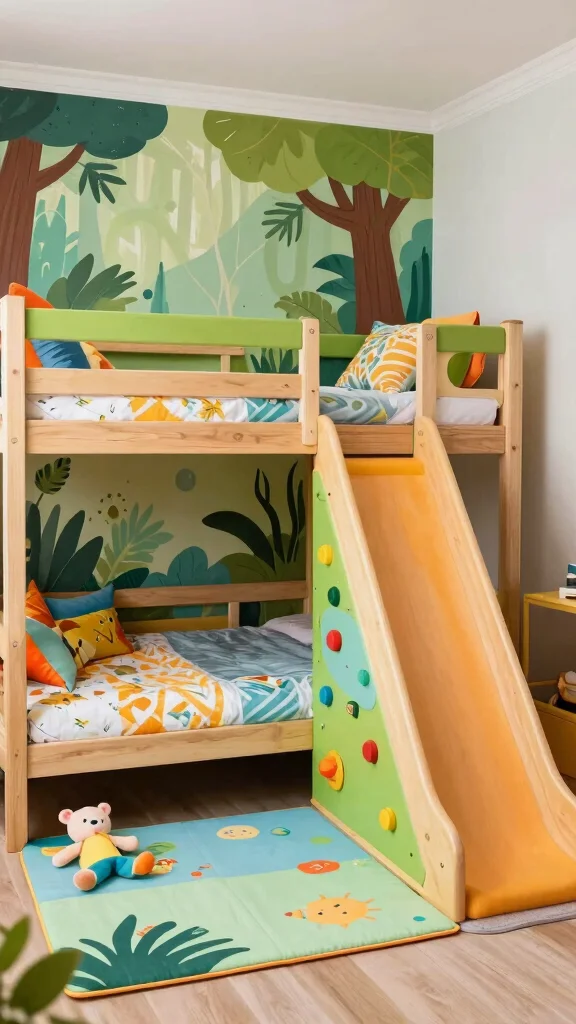
Ignite your child’s sense of adventure with the adventurer’s bunk bed design. This playful concept often features exciting elements like a slide or climbing wall, turning bedtime into a thrilling experience. The slide can be attached to the upper bunk, while the climbing wall can be positioned at the foot, providing an engaging way to reach the top. Perfect for energetic kids, you can personalize the design with themes like treehouses or pirate ships to spark their imagination.
Enhance this playful design with these creative touches:
– Theme it out with jungle or ocean wall paintings.
– Ensure the slide has a gentle slope and rounded edges for safety.
– Design a small play area beneath the bunk for added fun.
This option not only makes bedtime exciting but also saves space in your home.
Product Recommendations:
Recommended Products

【Space Saving】 This low bunk bed is a great choice for samll room which is low ceiling

Space-Saving Bunk Bed: Revolutionize small spaces with our vertical sleep solution! A full-size top bunk + twin lower bunk creates two private sleeping zones without sacrificing floor space. So this loft-style bunk bed is suitable for multiple-child families, dorms, or guest rooms, and is both functional and stylish!

【Bunk Bed with Desk】-The desk can be installed on the left or right side, perfectly adapting to different spaces. This bunk bed comes with a 42"L*14“W desk used for work or study. 4 fabric drawers is convenient to store school supplies or private items.Side pockets expands the desk storage capacity,helping keep the space tidy and neat
4. The Minimalist Bunk Bed
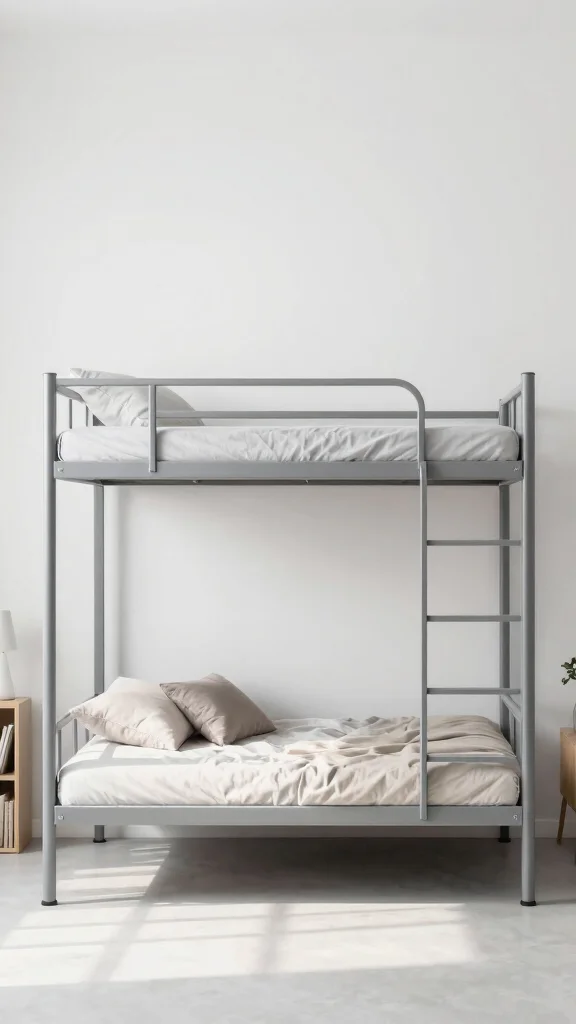
If you appreciate simplicity and clean lines, the minimalist bunk bed design is for you. This style focuses on functionality while avoiding unnecessary embellishments, making it perfect for modern homes or smaller bedrooms. Materials like metal or sleek wood help maximize space and maintain an airy feel. The upper bunk can feature a simple railing, while the bottom can include a built-in drawer or shelf for storage, keeping everything organized.
Here are some key points to consider:
– Stick to neutral colors for a sophisticated and timeless look.
– Incorporate minimalistic decor like wall hooks or floating shelves.
– Prioritize quality mattresses to enhance sleeping comfort.
This design promotes a clutter-free environment, making it ideal for compact living spaces.
Recommended Products

【All-in-One Storage System with Drawers & Open Shelves】Mixcous twin over twin bunk bed with storage features a complete integrated storage unit, including 6 large-capacity fabric drawers and 2 open compartments. The drawers offer dust-proof hidden space for clothes, bedding and personal items, while open shelves keep daily essentials, toys and books within easy reach, eliminating the need for extra furniture

[Maximized space] The bunk bed takes up minimal space for the spontaneous sleepover guest. Even better, a pair of drawers offers stowaway space for clothes and bedtime stories down below. Functional and aesthetic, this bunk bed will enhance any bedroom.
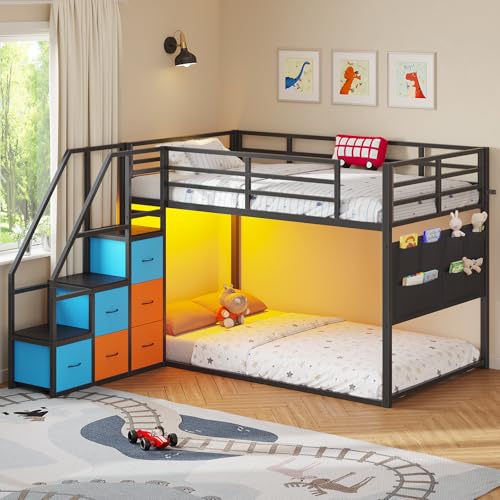
【3-IN-1 Bunk Bed: Sleep, Store & Play】 This space-saving, twin over twin size bunk bed is the perfect solution for growing families and shared kids’ rooms. The floor-level space can easily be transformed into a dedicated play zone, cozy reading nook, or additional storage area. By maximizing vertical space, this low bunk bed creates a tidier, more spacious bedroom.
5. The L-Shaped Bunk Bed
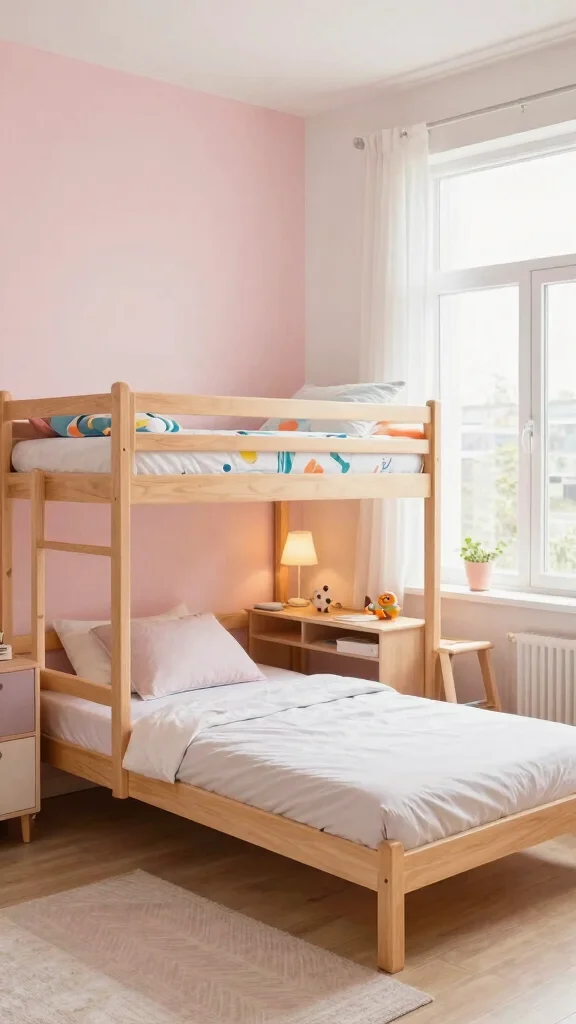
The L-shaped bunk bed is an ingenious choice for corner spaces, maximizing every inch of your room. This design features the top bunk sitting perpendicular to the bottom bunk, creating a versatile layout. It optimizes floor space, making it perfect for tight bedrooms. The bottom bunk can accommodate a twin or full-size mattress, while the upper can be a twin, and you can also integrate storage shelves in the corner for added functionality.
Consider these benefits:
– Easily fit into corners to maximize room efficiency.
– Build to any height based on ceiling clearance.
– Create a small reading nook or play area beneath the lower bunk.
This layout not only saves space but also adds a playful aspect to the room.
Recommended Products

【Queen Size Loft Bed with Storage Shelf】This queen size loft bed offers an elevated sleep space with a long upper storage shelf to keep phones, books, or clothes within reach. and the mesh guard keeps items secure. A space-saving metal loft bed queen size design ideal for teens or adults who need practical daily organization.

【Immersive Gaming Desk with App-Controlled RGB Lights】This full size loft bed features an integrated workstation with a unique chevron-shaped desk and an app-controlled RGB LED light strip. Effortlessly switch between 3 colors to create the perfect immersive atmosphere for late-night gaming sessions or focused study hours. The dynamic lighting transforms your workspace into a true gaming hub, making this full size gaming loft bed the ultimate setup for gamers and students alike.

Space-Saving Loft Bed with Integrated Desk: The full size loft bed with desk transforms your small bedroom or studio apartment into a multi-functional sanctuary, the integrated 56.7" wide study area provides a dedicated workspace for dual monitors and laptops, effectively freeing up significant floor space for a productive gaming hub or micro-office. This dnxao loft bed with desk is designed for modern living. Dimensions, 76.8”L x 56.7”W x 71.7”H, no box spring needed
Dimensions & Size Guide
Standard Sizes & Measurements:
When planning your DIY bunk beds, it’s essential to know the standard sizes and measurements. The most common bunk bed dimensions are typically twin (39” x 75”), full (54” x 75”), and queen (60” x 80”).
You’ll want to ensure you have enough height above the top bunk, too. A minimum of 30 inches is recommended from the top of the mattress to the ceiling. This space allows for safe use and gives your kids room to sit up comfortably.
Minimum requirements for proper fit or function:
– Width: Ensure at least 36 inches of space on either side for easy access and safety.
– Length: The bed length must match standard mattress sizes. This is crucial for a snug fit.
– Height: Remember to account for the thickness of your mattress, which typically adds about 8-12 inches.
Space Planning Considerations:
Think about the overall layout of the room. Will the bunk bed block any doors or windows? Also, consider the placement of furniture around the bed. Leave enough space for dressers or desks to function properly.
Quick Reference Table:
| Size/Dimension | Best for: [use case] | Minimum space needed: [measurement] |
|——————————|———————————-|———————————–|
| Twin (39” x 75”) | Single child or small rooms | 38” x 81” (including clearance) |
| Full (54” x 75”) | Shared space for two kids | 53” x 81” |
| Queen (60” x 80”) | Larger kids or teens | 59” x 86” |
Space Planning Tips:
1. Measure Twice: Always double-check your measurements before cutting wood or purchasing materials. Mistakes can be costly!
2. Think Vertical: Utilize vertical space effectively. Consider a lofted bed, which frees up floor space for play or storage.
3. Leave Room for Safety: Ensure there’s enough space to climb up and down safely. A ladder should not be cramped – at least 18 inches of clearance is recommended.
4. Check Ceiling Height: If your room has slanted ceilings, avoid placing the bunk bed there. It can lead to accidents.
5. Plan for Growth: Kids grow fast! Choose a design that can adjust or accommodate their needs over the years.
Pro Tip: The most critical measurement is the height from the top of the mattress to the ceiling. This dimension ensures safety and comfort, allowing for movement and preventing any unfortunate bumping of heads! Plan this out before starting your project to avoid any surprises later.
Recommended Products

UNIQUE PLAY SPACE: This Spider-Man Loft Bed Tent instantly creates a play space or remote learning area under your child’s bed without taking up additional floor space | Tent features a mesh window and roll-up front panel | Bed not included

【Ultra-Safe Design】Low loft bed features a 14" extra full-length enclosed guardrail, anti-tipping safety straps, heavy-coated steel tube frame,sleek curved edges for maximum security. while thick, wide, solid 2-step inclined ladder with soft cover foam padding, ensures effortless and safe climbing

【Enhanced Safety for Kids】This low loft bed features a 13.8" extended guardrail, a heavy-duty metal frame up to 400 lbs, rounded corners, anti-toppling device, and a wide ladder with soft foam padding makes climbing safer for little feet. Fits 4–6" mattresses to keep children securely in place through the night.
6. The Themed Bunk Bed
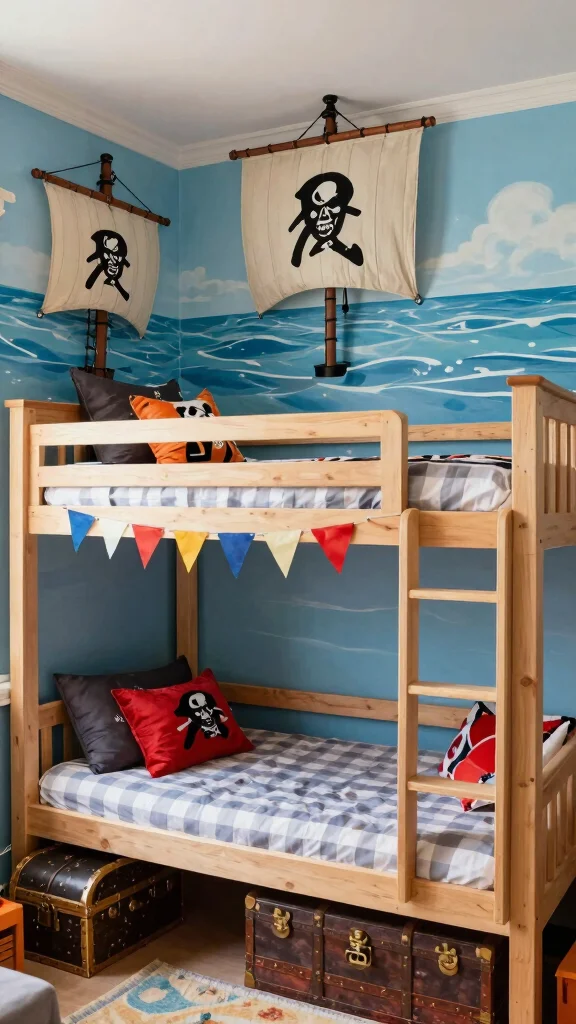
Transform your child’s room into a magical realm with a themed bunk bed. Whether it resembles a castle, spaceship, or ocean adventure, thematic designs spark creativity and imagination. This design goes beyond just the bed, incorporating elements of the chosen theme, such as colored drapes, wall murals, and themed bedding. Features like a tower or cockpit can enhance the fun.
Here are some ideas to inspire you:
– Choose a popular theme like superheroes or princesses.
– Incorporate interactive features, such as built-in slide-outs or secret compartments.
– Use props and decor that align with the theme.
Themed bunk beds turn sleeping into an adventure, making the room a truly unique space.
Recommended Products

【Extra Large Underbed Organizer】: New upgrade under bed storage with wheels unfolded size is 36"(L) * 16.5"(W) * 7.1"(H), designed for most underbed space. The perfect design can hold up to 90 pounds, storage space is 80L, getting the most storage space in the least space without compromising stability and durability! (Please confirm the height of your under bed above 7.1 inch)

Under Bed Storage with Wheels: Engineered with metal frame, industrial style wood panels, beautiful appearance, offering 3X the durability of storage organizers. Built to hold heavy blankets, books, or seasonal wardrobes without sagging

Smart Storage: Wooden underbed drawers add convenient underbed storage for clothes and extra bedding without taking up floor space.
7. The Adjustable Bunk Bed
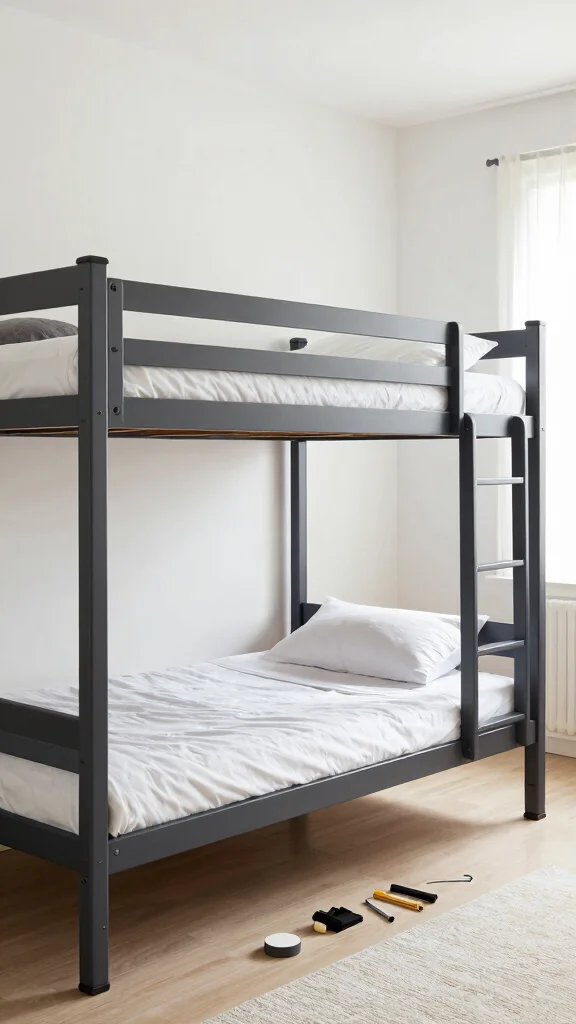
Adjustable bunk beds offer the ultimate flexibility for growing children. This design allows for modifications, enabling the bed to adapt as your kids’ needs change over time. You can start with a standard bunk layout, but as children grow, detach the bunks to create two individual beds. Some designs even allow for height adjustments, ensuring longevity.
Important features to consider include:
– Ensure removable parts can be easily disassembled.
– Select stylish designs that look good when separated.
– Use durable materials that withstand different configurations.
This design is perfect for parents seeking long-lasting and versatile solutions.
Product Recommendations:
Recommended Products

【Metal Kids Bunk Bed for Safety and Stability】 Crafted from a durable metal frame, this low bunk bed twin over twin ensures exceptional strength and stability for long-term use. The upper bunk bed features a 13.4’’ guardrail and includes anti-tip devices for secure wall anchoring, no wobbling. The lower bunk bed has a 14.4’’ headboard rail that snugly holds the mattress in place to prevent slipping. This bunk beds for kids provides a solid and secure sleeping environment for children.

【Humanized design】: The upper layer is equipped with sturdy and raised guardrails, which can effectively prevent your children from falling. The inclined design of the staircase makes it convenient to get on and off the bed

Twin Over Twin Floor Bunk Bed: This floor bunk bed features 2 twin sized beds, perfect for multiple-child family. The low-profile design allows your kids to get in and out of bed easily, which gives them the courage to take their first steps of independence
8. The Pallet Bunk Bed
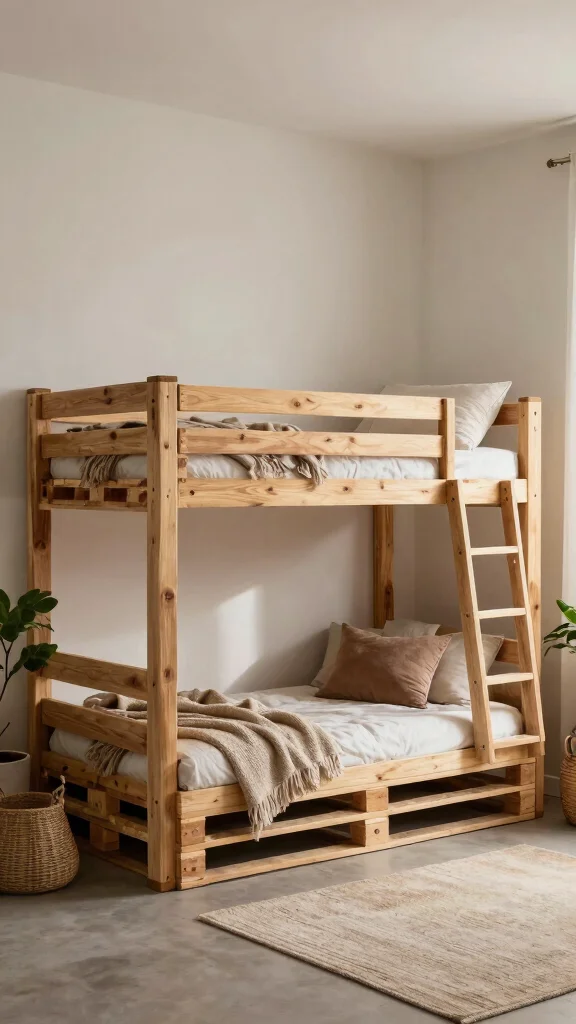
Repurposing pallets is an eco-friendly and budget-friendly way to craft a unique bunk bed. This rustic style adds charm while being an engaging DIY project. Using pallets, you can create a sturdy bed frame that adds an authentic touch to any room. With some sanding and a coat of paint, these beds can complement various decor styles, from bohemian to industrial. Add cushions and throws for extra comfort and style.
When creating a pallet bunk bed, keep these tips in mind:
– Sand thoroughly to smooth out splinters.
– Choose quality pallets for durability.
– Get creative and use leftover pallets for bookshelves or wall decor.
This design not only provides a space-saving solution but also allows for creativity in your bedroom decor.
Product Recommendations:
Recommended Products

【Multifunction Storage Space Loft Bed】-The twin loft bed frame with powerful storage space,Features 8 extra-large fabric drawers for organizing books, documents, clothes, toys,and decorations, 2 open storage shelves for quick access to essentials,7 S hooks for effortless storage of small items, Designed to declutter and optimize your kids living space
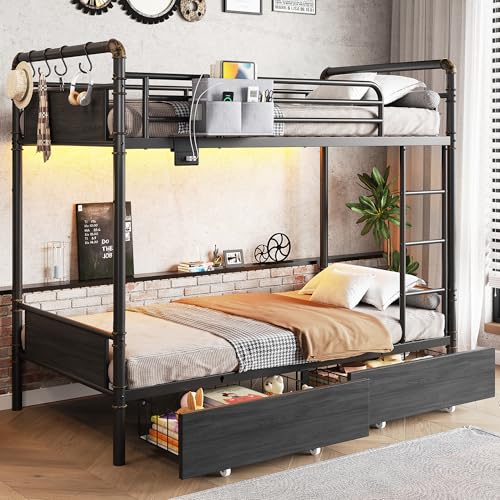
AESTHETIC APPEAL AND UTILITY: Our Bunk beds are the epitome of practicality and elegance. Constructed with 1.5-inch thick black round metal tubes featuring elegant gold accents, not only visually appealing but are also sturdy and safer for kids without sharp edges like square tubes. The headboard and footboard are crafted with rustic black wood panels, adding a vintage industrial touch to the room. Together, these elements create a unique steampunk-inspired atmosphere, making this twin bunk bed a standout piece for kids, teens, or adults

【The Mega-Organizer: Your Kid’s Room, Sorted】Say goodbye to toy chaos! Our low bunk bed features a clever side storage ecosystem: a top shelf for treasures, two open bookshelves for favorite reads, a middle shelf for display, and two extra-large grooved storage bins for toys. Plus, three sleek PU drawers at the bottom keep clothes or blankets tidy. It triples your space and helps kids learn to tidy up
You might also like
9. The Slide-Out Bunk Bed
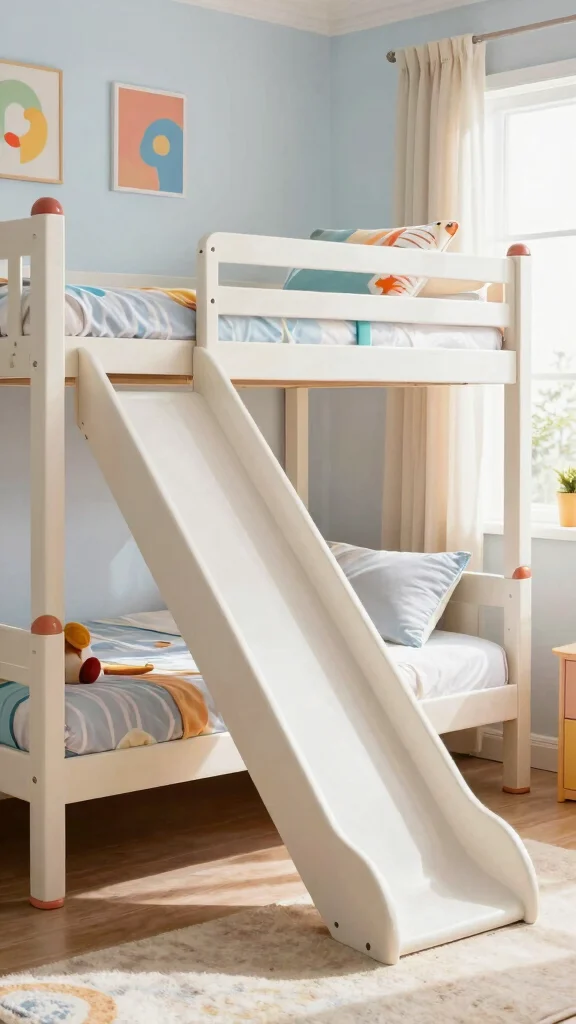
Slide-out bunk beds combine practicality with fun. This design features a bottom bunk that easily slides out from under the top bunk, providing extra sleeping space when needed. Especially useful for sleepovers, it accommodates guests without taking up too much room when not in use. The sliding mechanism can range from simple to elaborate, with safety features to ensure stability.
When designing a slide-out bunk bed, keep these points in mind:
– Ensure the slide-out has wheels for easy movement.
– Include safety locks to secure the bed in place.
– Finish with a polished look through paint or stain.
This design not only saves space but also adds a playful element for kids and their friends.
10. The Murph Bed
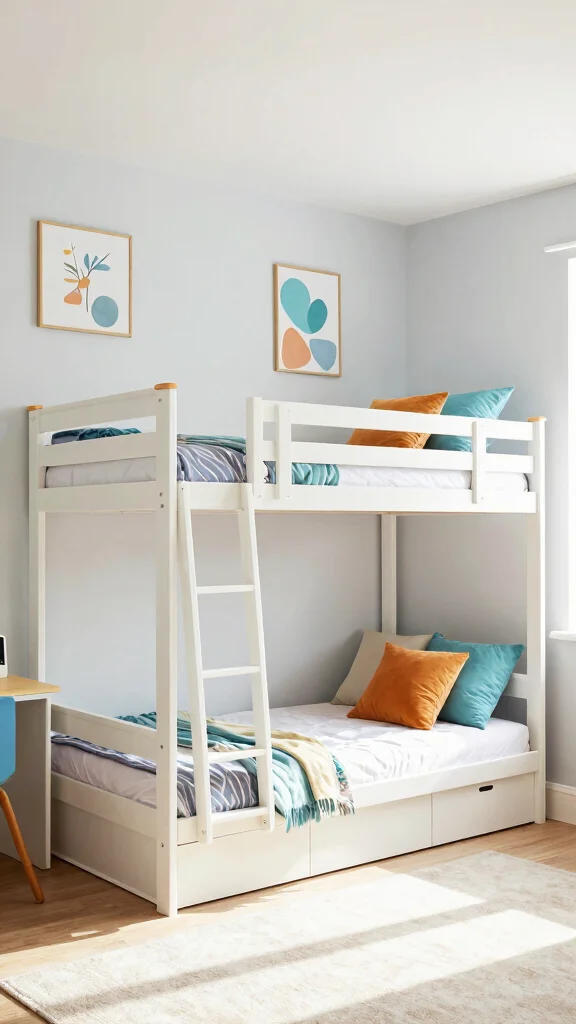
Murphy beds are innovative space-savers, and when combined with a bunk bed design, they bring a new level of versatility. This design allows the upper bunk to fold down from the wall, freeing up valuable space during the day. When folded up, the room remains open and spacious, reducing clutter. This option is perfect for multi-functional rooms that require a balance between sleep and play areas.
Here’s what to consider when designing a Murph bed:
– Ensure the folding mechanism is robust and user-friendly.
– Choose a finish that blends with your decor.
– Incorporate safety locks to secure the bed when in use.
This design enables smart living while delivering a stylish and creative solution.
Product Recommendations:
11. The Bed with Playhouse Design
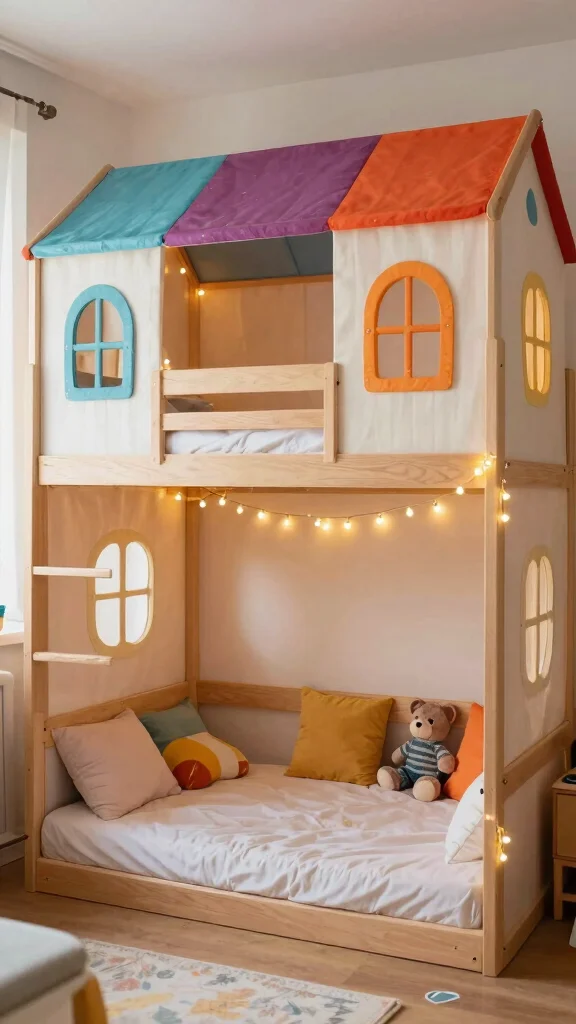
Combine comfort with fun by creating a bunk bed that incorporates a playhouse design. This whimsical upper bunk resembles a house, complete with a roof and windows. It makes bedtime feel like an exciting adventure. You can paint the playhouse in vibrant colors and add fairy lights for a magical touch. The space below can serve as a play area, creating a perfect zone for creativity.
Design considerations include:
– Ensure proper ventilation in the playhouse area.
– Install strong guardrails around the upper bunk for safety.
– Enhance playtime with curtains or a slide.
This design not only makes sleeping fun but also encourages imaginative play.
Product Recommendations:
12. The Scandinavian Bunk Bed
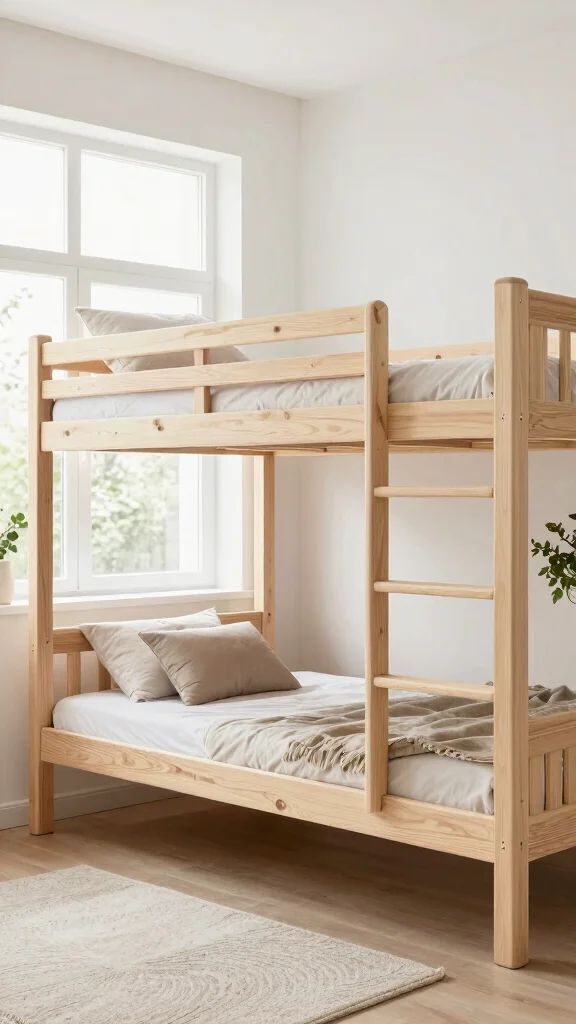
The Scandinavian design style is celebrated for its simplicity and functionality, making it a perfect fit for bunk beds. This approach focuses on clean lines, neutral colors, and natural materials. A Scandinavian-style bunk bed can feature light wood with a matte finish, creating an airy and inviting feel. The design often incorporates practical elements, such as built-in storage, ensuring everything has its place while maintaining a minimal aesthetic.
Key principles of Scandinavian design include:
– Maximize natural light for a bright atmosphere.
– Use functional decor that emphasizes space utility.
– Incorporate soft textiles for added comfort.
This approach creates a calm and serene bedroom environment, stylish yet comfortable.
13. The Industrial Bunk Bed
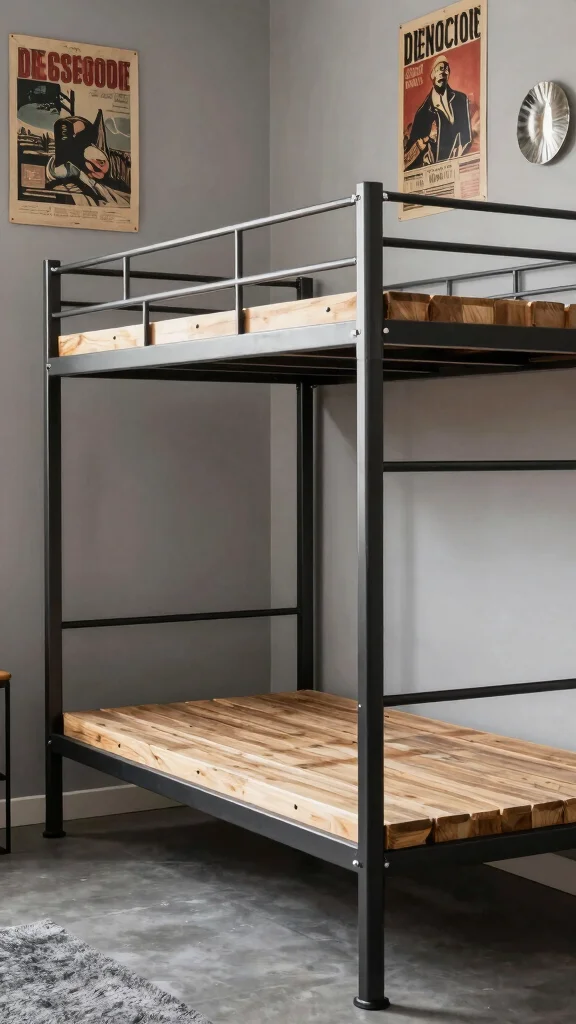
For a more edgy vibe, consider an industrial-style bunk bed. This design combines metal frames with wooden elements, creating a striking aesthetic that stands out. Industrial bunk beds feature robust structures with exposed hardware and a raw finish. This look pairs well with city-inspired decor and adds unique flair to your child’s room.
Design highlights include:
– Use metal accents for both durability and style.
– Combine wood and metal for contrast.
– Incorporate urban-inspired accessories like vintage posters.
This style offers a modern twist on traditional designs, appealing to older kids and teens.
14. The Under-Bed Storage Bunk
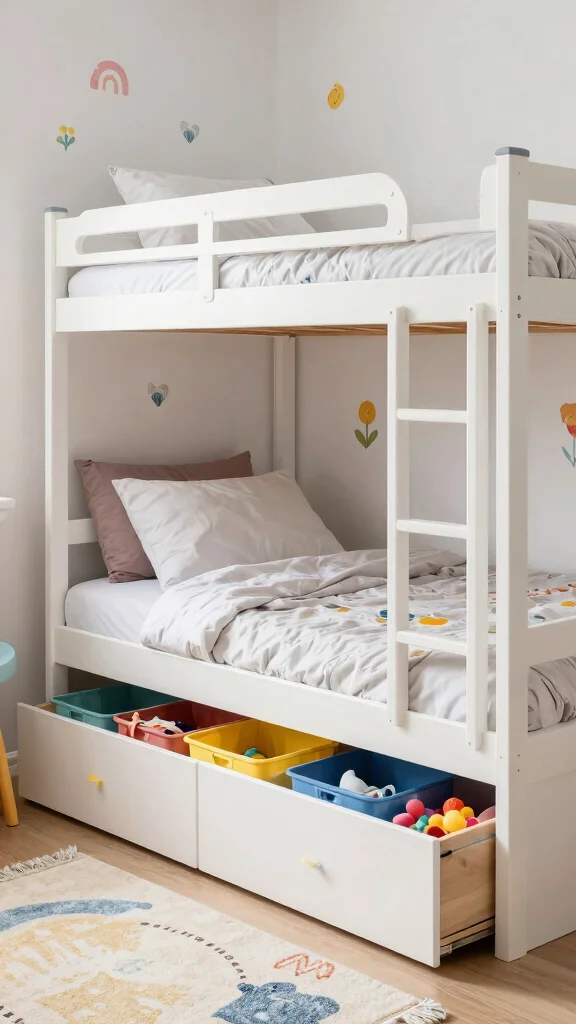
Maximizing storage is essential in small bedrooms, and an under-bed storage bunk design offers a beautiful solution. This plan incorporates drawers or compartments beneath the bottom bunk, providing an efficient way to keep toys and clothes organized. Easy access to stored items makes it perfect for children who love tidy spaces. You can even use colorful bins for a fun yet functional look.
Key considerations for this design include:
– Use dividers inside the drawers for organization.
– Choose durable materials for storage compartments.
– Match bins for a cohesive look.
This bunk bed not only saves space but also promotes a clutter-free environment for your kids.
15. The Multi-Functional Bunk Bed
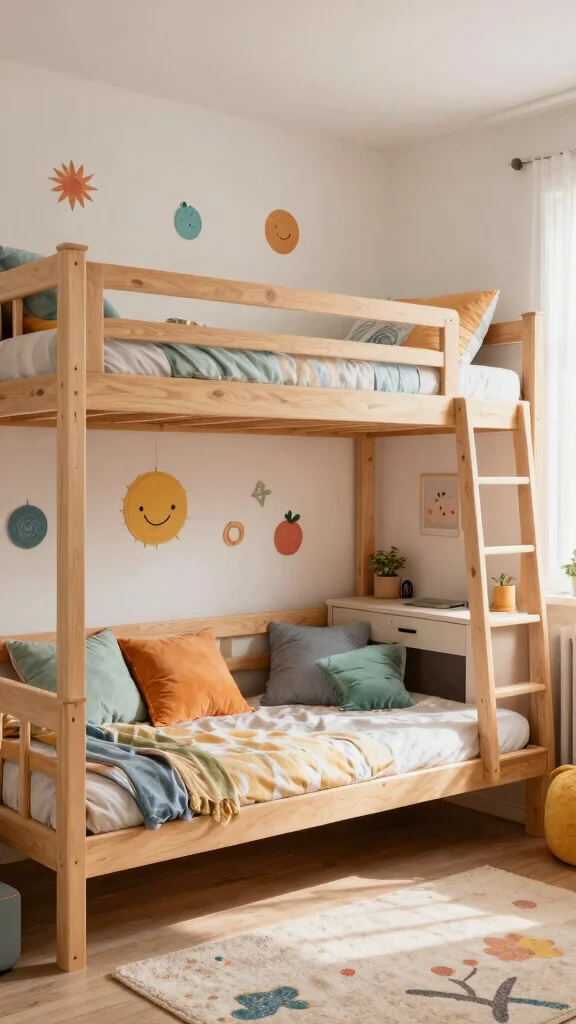
Embrace versatility with a multi-functional bunk bed that serves various needs in one design. This style often combines sleeping space with a built-in sofa, desk, or even a small play area. Such designs can become focal points in a room, providing cozy corners for relaxation, study, or play. Adding a removable partition can create privacy for sleep or study when needed.
Consider these multifunctional elements:
– Include a pull-out sofa for reading.
– Integrate a small desk for homework.
– Create a play area with plush rugs.
This design maximizes utility, making it a practical addition to any bedroom.
You Might Also Like
16. The Futuristic Bunk Bed
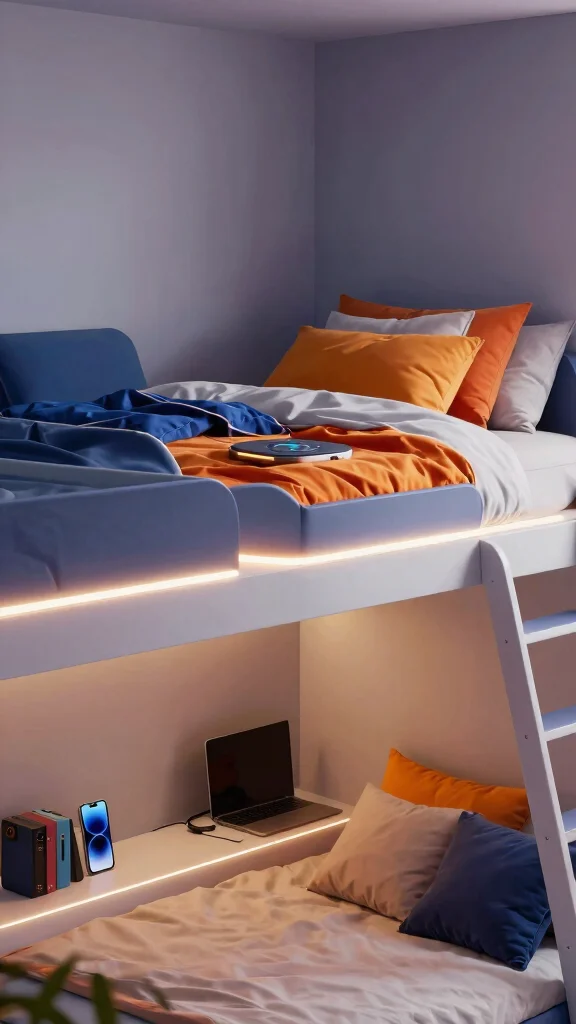
For tech-savvy kids or those who love modern aesthetics, consider a futuristic bunk bed design. These styles often feature LED lighting, smart storage solutions, and innovative materials. The design focuses on clean lines and bold colors, making it a striking addition to contemporary rooms. Not only does it look cool, but it can also include features like built-in charging stations and customizable lighting.
Here are some design ideas:
– Use LED lighting to create mood.
– Incorporate hidden compartments for gadgets.
– Choose vibrant or monochrome colors for a futuristic vibe.
This design captures attention while integrating seamlessly with modern living.
17. The Vintage-Style Bunk Bed
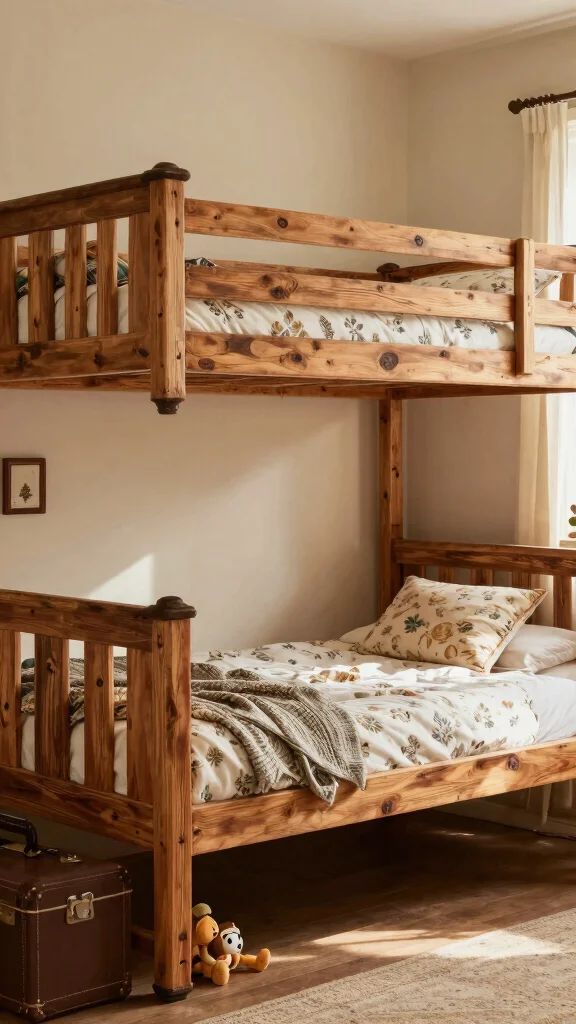
A vintage-style bunk bed adds a charming, nostalgic touch to any room. Characterized by intricate details and classic finishes, this design creates a warm, inviting atmosphere. Using reclaimed wood or vintage metal brings character and history to your child’s bedroom. You can enhance this vintage look with retro decor elements like old suitcases, vintage toys, or classic artwork.
Consider these features:
– Look for antique finishes for authenticity.
– Incorporate vintage or retro accessories to enhance the theme.
– Use soft bedding for a cozy vibe.
This design not only provides sleeping space but also adds a unique charm that makes the bedroom feel special.
18. The Space-Saving Convertible Bunk Bed
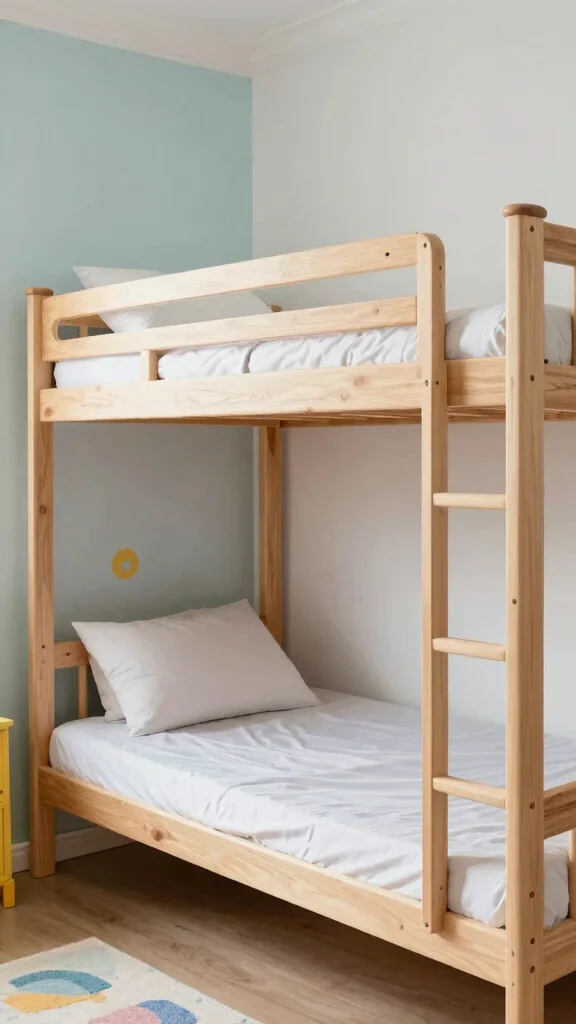
Convertible designs are a brilliant way to save space while offering flexibility. This style allows you to transform a bunk bed into two single beds or even a daybed. With just a few adjustments, this design adapts to various guest arrangements while ensuring your kids have a comfortable sleeping space. It’s particularly useful for families with frequent guests or sleepovers.
Key considerations include:
– Ensure the conversion mechanism is user-friendly for kids.
– Focus on durability to withstand frequent adjustments.
– Choose finishes that blend with your decor.
This convertible option is perfect for maximizing the utility of a smaller space.
Fun fact: Convertibility boosts floor space—up to 40% more room in a small bedroom when you switch to daybed or two singles. diy bunk beds plans make these transformations kid-friendly with simple, kid-safe mechanisms.
19. The Upholstered Bunk Bed
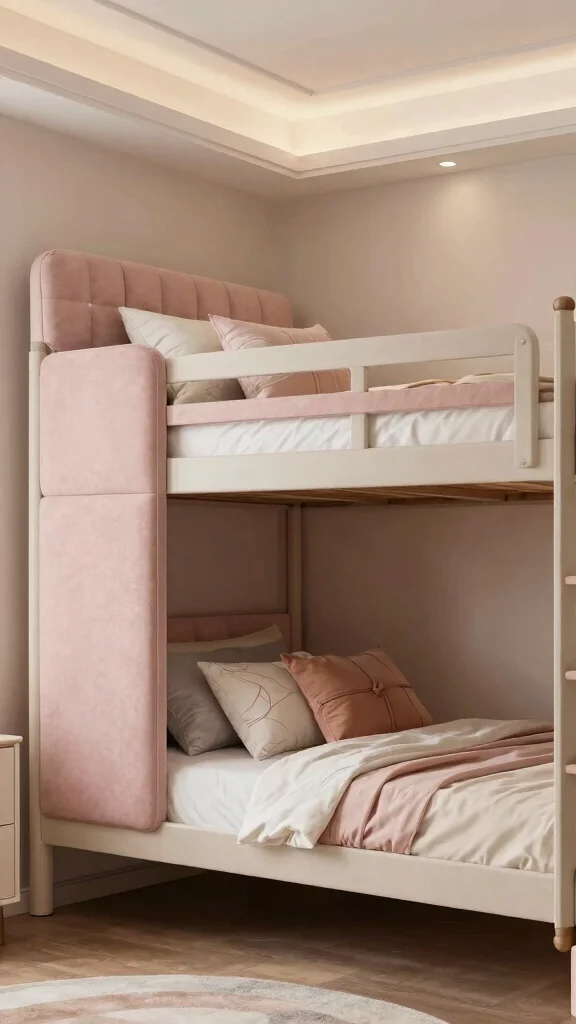
For a touch of luxury in a child’s room, consider an upholstered bunk bed. This soft and stylish option adds both comfort and elegance, ideal for older kids or teens. Using upholstered materials for the headboard and side panels creates a cozy atmosphere. Opt for durable fabrics that are easy to clean, ensuring the bed lasts. Pair it with matching bedding for a cohesive look.
Consider these design elements:
– Choose soft tones or bold patterns based on preferences.
– Use stain-resistant fabrics for longevity.
– Add decorative throw pillows for extra comfort.
This luxurious design is both functional and stylish, making it a delightful retreat for rest and relaxation.
Upgrading to an upholstered bunk bed makes small rooms feel luxe without the clutter. With diy bunk beds plans, you can choose durable fabrics and soft tones for a cozy, easy-to-clean space that kids actually love.
20. The Custom Built-In Bunk Bed
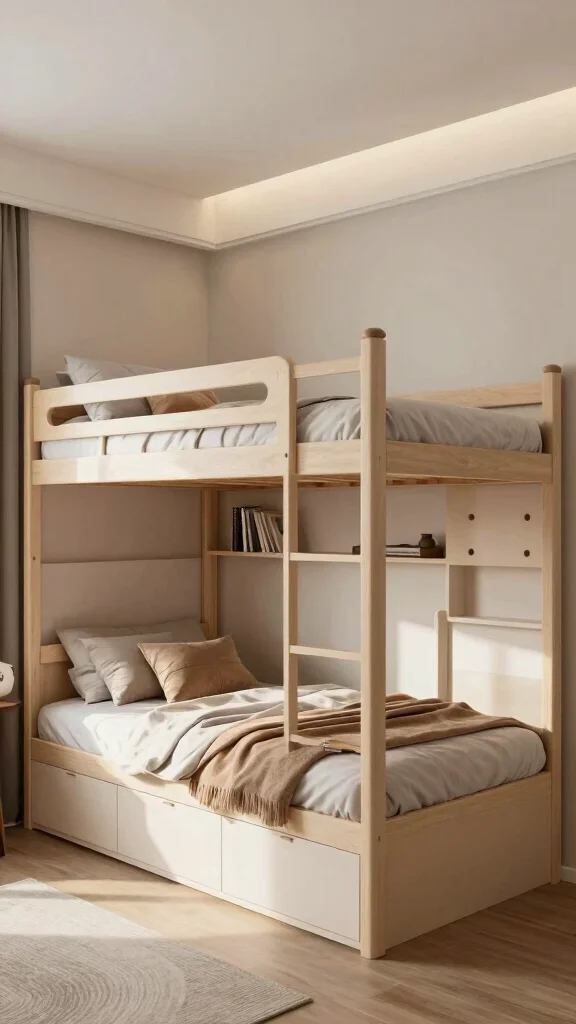
A custom built-in bunk bed is the ultimate solution for maximizing space in any bedroom. This tailor-made design allows for seamless integration into the room’s architecture, providing a unique aesthetic. You can incorporate shelves, lighting, and even a workspace into the built-in design. This style can be crafted to perfectly fit your space’s dimensions, making it truly one-of-a-kind.
Key benefits include:
– Total customization to meet your specific needs.
– Space efficiency to make the most of every inch.
– Creates a cohesive look with the room’s decor.
This option is not only practical but also adds significant value to your home’s design.
Conclusion
Exploring these creative DIY bunk bed plans can truly transform your small bedroom into a functional and exciting space. Each design brings something unique, catering to different needs and styles. Whether you opt for a classic wooden bunk or a themed playhouse, there’s a perfect solution for every child’s dream room.
Ready to bring your vision to life? Gather your materials and start crafting your own amazing space-saving solutions today!
Note: We aim to provide accurate product links, but some may occasionally expire or become unavailable. If this happens, please search directly on Amazon for the product or a suitable alternative.
This post contains Amazon affiliate links, meaning we may earn a small commission if you purchase through our links, at no extra cost to you.
Frequently Asked Questions
What are the best DIY bunk bed plans for space-saving small bedrooms?
Start with your room measurements and ceiling height, then pick plans that maximize floor space. Look for space-saving bunk bed plans like twin-over-twin or twin-over-full configurations that include built-in storage, a desk, or drawers. Check that the plan provides a detailed cut list, hardware list, and clear assembly steps so you can confidently follow diy bunk beds plans. For rooms with low ceilings, choose a low-profile design or an angled ladder to keep top bunk accessible without crowding. Also verify weight capacity and joinery quality for safety, and consider modular designs that can be upgraded with space saving furniture accessories later.
How can I customize a bunk bed plan to fit my room size and ceiling height?
Measure your space carefully (length, width, ceiling height) and compare with the plan’s overall dimensions. You can scale the plan, or choose a design with adjustable ladder placement and guard rails. Consider moving the ladder to the side closest to outlets for lighting, or swap to a built-in desk under the top bunk for extra workspace and space saving furniture. Before cutting, lay out the pieces on the floor with tape to ensure clearance for doors, dressers, or play areas. Finally, update the cut list to match your lumber stock and budget so your diy bunk beds plans fit perfectly.
Which bunk bed ideas are best for kids’ bedrooms and safety?
For kids, safety comes first: use guard rails on both sides of the top bunk, a sturdy ladder or stairs, and smooth edges with no sharp hardware. Choose plans that include integrated storage to reduce clutter and keep toys off the floor. Opt for non-toxic finishes and low-VOC paints to keep the room healthy. Ensure there’s enough clearance around the top bunk for safe climbing, and follow the plan’s weight limits and hardware recommendations. These bunk bed ideas help create a cozy, safe, and creative kids bedroom design.
What tools and materials do I need to build a DIY bunk bed from the plans?
Most DIY bunk bed plans call for common woodworking tools and standard lumber. Expect to need a measuring tape, pencil, square, saw (circular or miter), drill/driver, screws, wood glue, clamps, sandpaper or a sander, level, and safety gear. Materials vary by plan but typically include solid timber or plywood, hardware for guard rails and ladder, and a finish suitable for kids’ rooms. Always double-check the plan’s exact cut list and hardware requirements before buying so you’re prepared for a smooth build.
Where can I find reliable DIY bunk beds plans and how do I choose the right one?
Look for plans with complete cut lists, exploded diagrams, and step-by-step instructions. Check reviews or build photos from others to gauge practicality and safety. For space saving furniture and kids bedroom design, pick a plan that matches your ceiling height, mattress size, and budget. Our article features 20 DIY bunk beds plans to explore different bunk bed ideas and configurations, helping you select a plan with adjustable features (desk, drawers, modular components), clear safety notes, and printable dimensions for an accurate build.
Related Topics
diy bunk beds plans
space saving furniture
kids bedroom design
creative bedroom solutions
small spaces
easy DIY
budget friendly
functional design
DIY furniture projects
modern bunk beds
multi-purpose furniture
beginner friendly
Leave a Reply