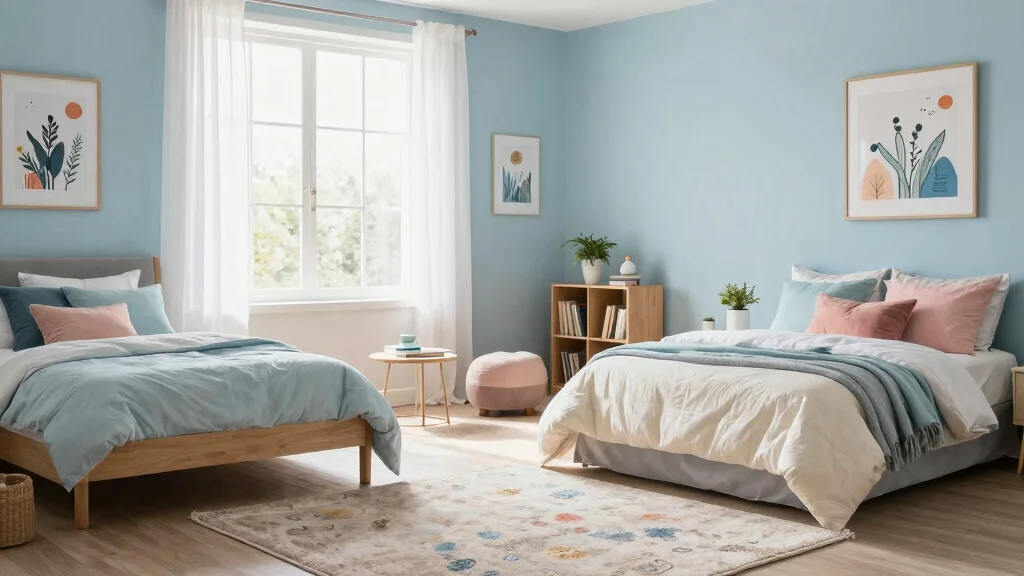
Creating a cozy and functional bedroom can feel tricky, especially when you need to accommodate more than one person. Whether you’re designing a room for siblings who squabble over space or setting up a guest room that welcomes friends and family, finding the right balance is essential. I crafted this post because I know how important it is to maximize every inch without sacrificing style or comfort. This guide will help you visualize and implement clever layouts that make shared and guest rooms not just livable, but inviting.
If you care about creating a space that is both practical and beautiful, then this post is for you. From parents juggling siblings’ needs to homeowners ready to impress their guests, you’ll find plenty of inspiration here. I’ve gathered 19 unique bedroom ideas featuring two-bed layouts that are stylish, functional, and perfect for small spaces. These suggestions will give you the tools to transform cramped quarters into a harmonious retreat that meets everyone’s needs.
Get ready to explore space-saving furniture options, creative bed arrangements, and decor tips that will make your shared or guest bedroom feel like a designer showcase. You’ll leave this article with actionable insights and fresh ideas that will help you create a bedroom that feels both personal and inviting, no matter the size.
Key Takeaways
– Discover various bedroom ideas 2 beds that cater to shared living situations and guest accommodations.
– Explore space-saving furniture options that maximize functionality while maintaining aesthetic appeal.
– Learn about dual bed arrangements that not only save space but also create a cozy atmosphere for both occupants.
– Get practical small bedroom tips that help you make the most of limited square footage without feeling cramped.
– Find inspiration for guest room decor that makes visitors feel right at home with thoughtful touches and stylish layouts.
Recommended Products

Space-Saving Bunk Bed: Revolutionize small spaces with our vertical sleep solution! A twin-size top bunk + twin lower bunk creates two private sleeping zones without sacrificing floor space. So this loft-style bunk bed is suitable for multiple-child families, dorms, or guest rooms, and is both functional and stylish!


【All-in-One Storage System with Drawers & Open Shelves】Mixcous twin over twin bunk bed with storage features a complete integrated storage unit, including 6 large-capacity fabric drawers and 2 open compartments. The drawers offer dust-proof hidden space for clothes, bedding and personal items, while open shelves keep daily essentials, toys and books within easy reach, eliminating the need for extra furniture
1. Stylish Bunk Beds
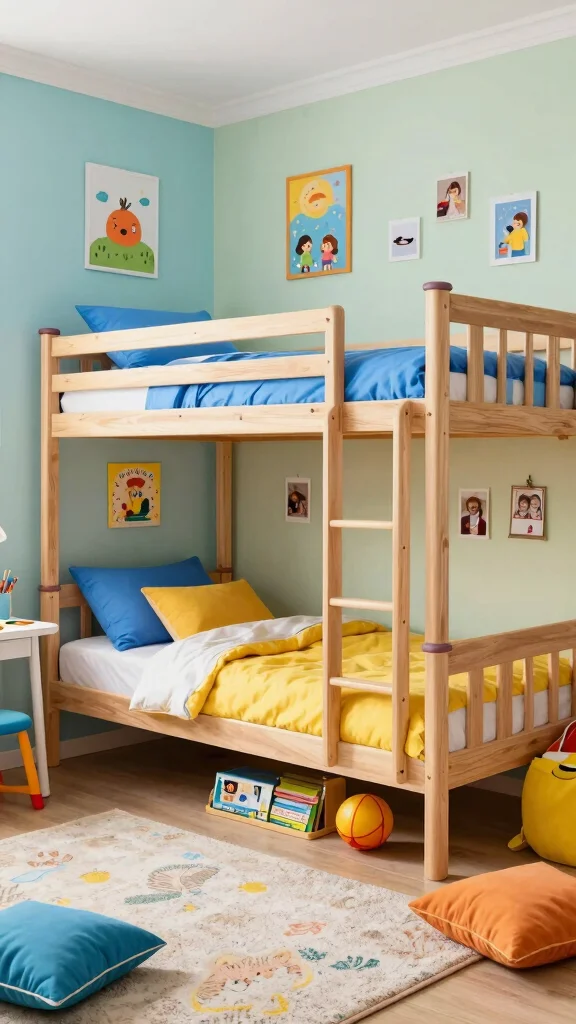
Bunk beds offer an ingenious solution for shared bedrooms, especially when space is at a premium. Their vertical design not only saves floor space but also creates a fun, playful environment. With options in sleek metal or warm wood, you can easily find a style that complements your decor while keeping the room organized and inviting.
To make the most of bunk beds, think about adding personal touches like mismatched bedding to give each child their own flair. You can also look for options with integrated storage to help keep toys and books in check.
Consider these tips for designing with bunk beds:
– Pair metal frames with bold, colorful bedding for a modern look.
– Use light cotton sheets to keep the space feeling fresh.
– Incorporate a slide or climbing wall to make bedtime fun!
This approach adds a playful spirit while maximizing room functionality through smart storage solutions.
Fun fact: A well-placed bunk bed can double the usable floor space in a small room. With light colors and vibrant bedding, two twin beds in one room feel roomy and playful, not crowded.
Product Recommendations:
Recommended Products
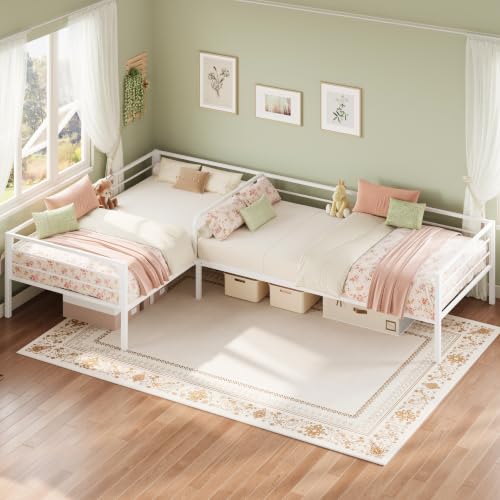
Space-Saving L-Shaped Design: This white L shaped twin bed blends seamlessly into any room layout, transforming unused corner space into a comfortable sleeping area for two. Space-saving – ideal for guest rooms or small apartments.

FIBER-TECH BEAM CONSTRUCTION – Comprised of thousands of high-strength polyester fibers that provide enhanced comfort, stability and support; Fiber-Tech Beam Construction can withstand more weight and pressure without losing its comfort or stability

STURDY & DURABLE – This twin bed frame consists of 11 metal slats and 6 support legs. The side rails use 1.57" wide steel tubing to keep it strong and stable in use. Maximum weight capacity 350 lbs.
2. Twin Beds with a Nightstand Bridge
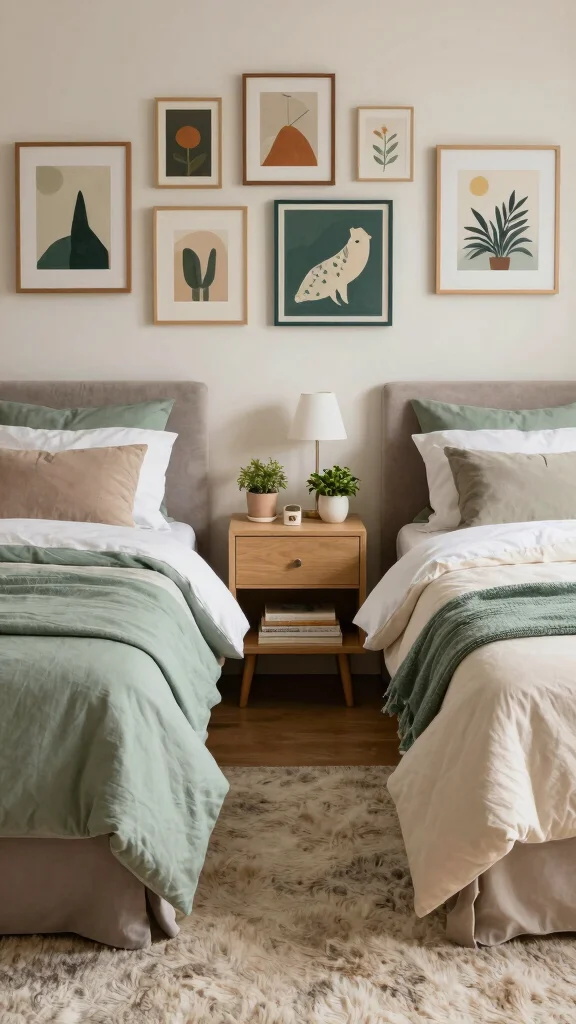
Arranging twin beds side by side with a connecting nightstand creates a cozy and cohesive look in shared spaces. This layout allows for individual sleeping areas while fostering a sense of closeness, perfect for siblings who enjoy their own space yet appreciate connection. The shared nightstand can serve as a fun display for books, lamps, or personal items.
To enhance the aesthetic, opt for complementary bedding that reflects each child’s personality while tying the room together. This balance creates an inviting atmosphere that feels intentional and stylish.
Key elements to consider:
– Choose a stylish nightstand that offers storage options.
– Install wall sconces to save space and enhance lighting.
– Use artwork that resonates with both children, creating a unified theme.
This setup not only looks great but also promotes a harmonious environment for both siblings.
Product Recommendations:
Recommended Products

VERSATILE DAYBED WITH TRUNDLE DESIGN: This day bed with trundle is designed for maximum flexibility, featuring a pop-up trundle with locking wheels. Easily convert it into two twin beds or combine them into a spacious king-size bed. It provides a comfortable seating area during the day and extra sleeping space at night. Ideal for small spaces, bedroom, living room, guest room, or kids' room, this twin daybed with trundle effortlessly adapts to your needs

All-in-One Family Bed: More than just a bed, this daybed with pop up trundle combines a cozy sofa, twin sleeper, and guest bed in one space-saving design. From daytime lounging and story time to sleepovers and overnight guests, it easily adapts to the changing needs of growing families.

💌【Easy to Contact Us】: If there is any problem with this full size sofa bed, please visit our website Merax.com or contact us via this email: [email protected], call us: 626-912-8886
🏡 Transform Your Space Today!
Unlock the secrets to stunning home decor with our DIY guide tailored for every style and budget.
3. Murphy Beds for Guests
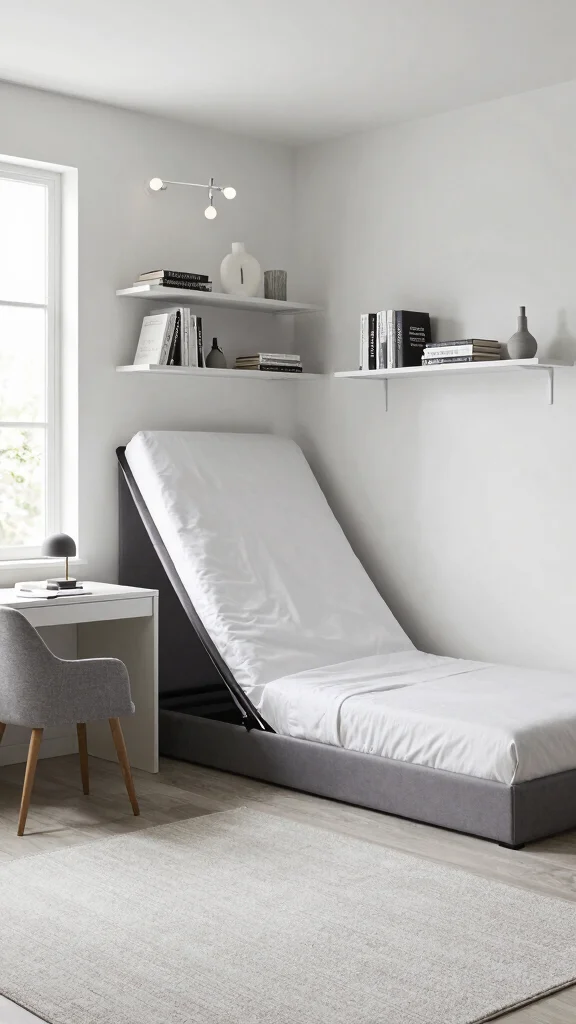
Murphy beds are an excellent choice for guest rooms, cleverly combining comfort with space-saving design. These beds fold away into the wall, freeing up floor space during the day for other activities. When guests arrive, simply lower the bed for a restful night’s sleep, blending functionality with style.
Select Murphy beds in various designs to match your decor, from sleek modern to rustic styles. Their versatility makes them a great addition to any space.
Consider these tips when choosing a Murphy bed:
– Look for models that include built-in shelving for smart storage.
– Select a style that complements the room’s overall aesthetic.
– Explore options with a desk or seating integrated for daytime use.
This design not only saves space but also adds elegance to the guest room.
Recommended Products

【2-in-1 Convertible Design】 Foldable queen murphy bed that doubles as a cabinet — a perfect space saving solution for small spaces, guest rooms, lofts, offices, or multi-functional rooms.

【Space-Saving Queen Murphy Bed for Small Rooms】Ideal for small spaces, this queen Murphy bed easily folds up against the wall to free up floor area for daytime activities. Perfect for studio apartments, home offices, or guest rooms, it quickly transforms your room from a sleeping space to a living area. The space-saving design maximizes every square foot while providing full queen-size comfort when needed—functionality and style combined.

【Dual Functionality】Bed & Storage Cabinet, maximize your space effortlessly with our Murphy bed's dual functionality. Use it as storage cabinets when folded, or unfold it into a comfortable bed when needed, ensuring clutter-free spaces
4. Daybeds with Trundles
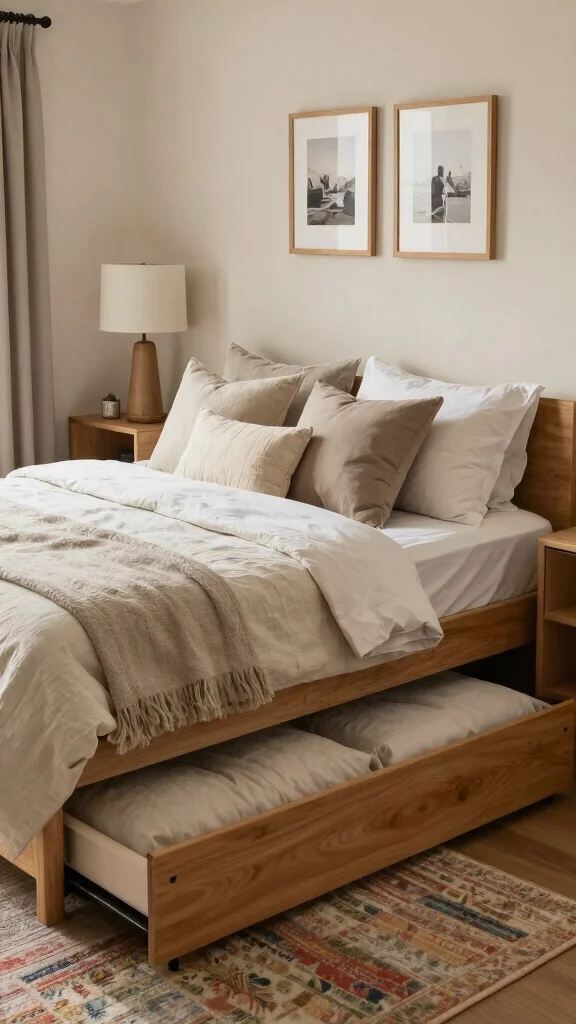
Daybeds with trundles are a fantastic solution for shared or guest rooms, effortlessly combining style and functionality. During the day, they serve as a cozy couch, ideal for lounging or reading. At night, the trundle conveniently pulls out, providing extra sleeping space for friends or family.
When selecting a daybed, choose one that enhances the room’s overall aesthetic. Styles range from vintage iron frames to modern upholstery, each adding character to the space.
For daybeds, consider these elements:
– Use decorative throws and cushions to enhance comfort.
– Keep the trundle stocked with fresh linens for guests.
– Select a design that complements the room while providing practical use.
This choice not only maximizes sleeping arrangements but also creates an inviting environment for relaxation.
Recommended Products

Large Capacity: This under bed storage bag measures 39.4"(100cm) x 19.7"(50cm) x 7.1"(18cm) and has a capacity of 95L which can easily hold 20 sweaters, 4 thick blankets and 14 sheets. Ideal for under-bed storage, closet or shelves.

Premium Material : The under bed storage containers are made from high-quality, odorless, three-ply composite non-woven thick fabric, foldable and breathable, keep clothing fresh from long-term storage. NO cardboard NOR metal supports insert, arrive to you collapsed and packaged in a clear storage bag.

Under-the-bed storage bag (2-pack) helps keep items safely stored, freeing up extra closet and drawer space
5. L-Shaped Bed Arrangement
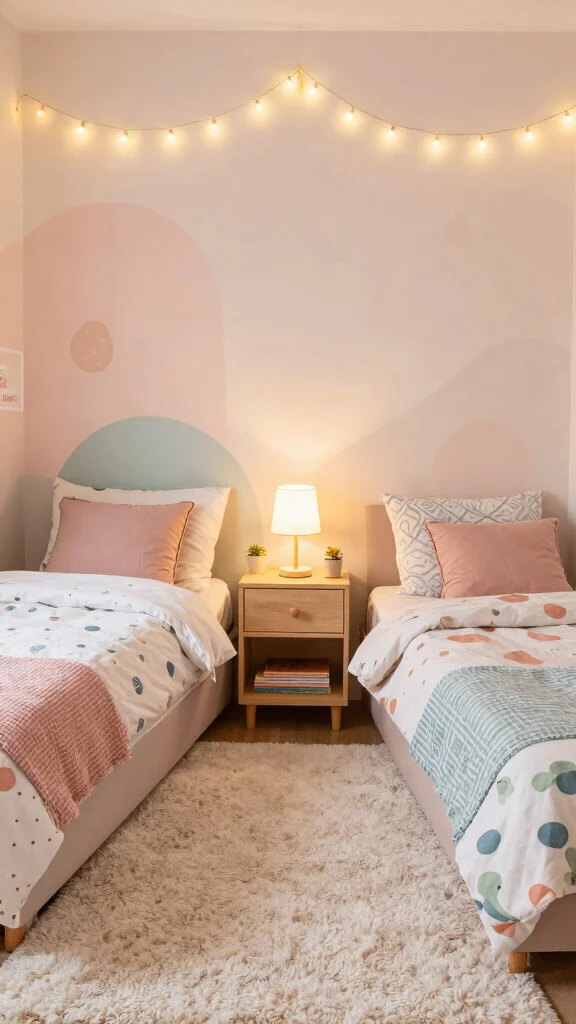
An L-shaped bed arrangement is a clever way to maximize corner space in a room, creating a snug nook for rest and relaxation. Ideal for smaller rooms, this layout allows for extra furniture or play areas in the center. The beds positioned at right angles make it easier for each child to access their space without feeling cramped.
To optimize this layout, consider using a shared nightstand or corner table to keep essentials close. Personalize each bed with unique bedding to reflect each child’s style while maintaining harmony in the design.
Make this arrangement work by:
– Using a small table or shelf as a shared nightstand.
– Adding varied bedding to express individual tastes.
– Incorporating a soft rug to enhance comfort in the middle of the room.
This setup not only saves room but also adds a distinctive character to the space.
Recommended Products

Space-Saving & Storage Solution Bunk Bed: Engineered for ultimate space efficiency, this twin over twin bunk bed comfortably sleeps two people without sacrificing your precious floor space. Its innovative design features an integrated staircase that is far practical and safer than a vertical ladder, complete with 6 individual fabric storage drawers and 2 lage under-bed drawers for books, toys, and daily essentials. Handy hanging pockets, keeping your dairly books items in reach.

Multifunctional Staircase: Each step of the kids' bunk bed features cleverly hidden storage underneath. It includes a child-friendly clothes rack, two fabric drawers, and an open cubby, perfect for storing toys, clothes, or treasured little items, as well as a convenient bedside storage pouch. Kids can keep their space tidy with ease, while parents enjoy added convenience

MAXIMIZE YOUR ROOM SPACE: Perfect for small bedrooms or multi-child families. This twin over twin bunk bed features a safe, easy-to-climb built-in staircase. The staircase houses 6 spacious fabric drawers, while a unique side hanging rack and storage pocket provide extra room for tomorrow's clothes, toys, and books, keeping your room 100% clutter-free
6. Loft Beds with a Study Area Below
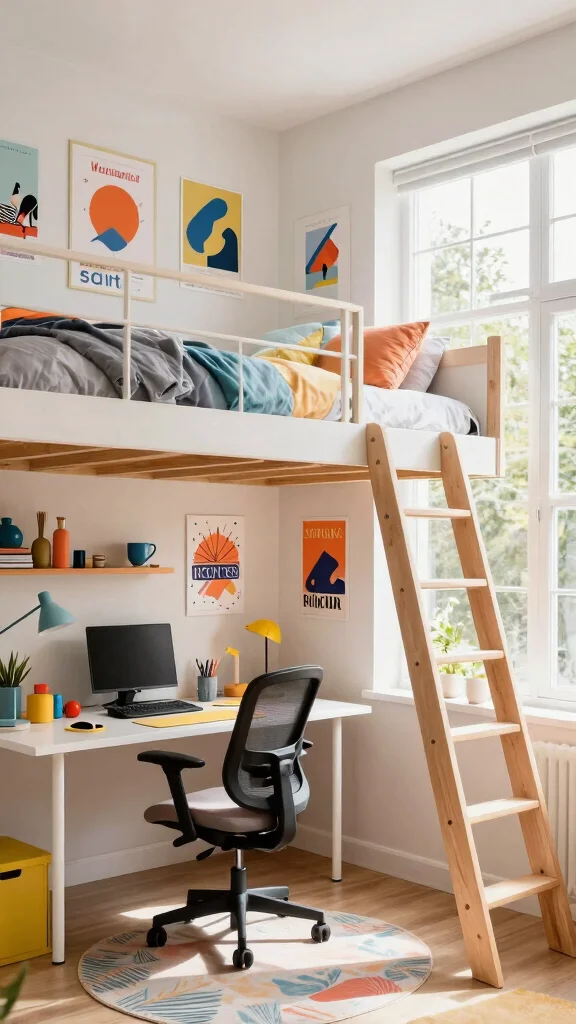
Loft beds are perfect for maximizing space in shared rooms, elevating one bed to create a dedicated study or play area below. This design utilizes vertical space effectively and is especially suitable for older children who need a functional environment for both sleep and study.
When styling a loft bed, think about creating an inviting study nook with good lighting and comfortable seating underneath. Adding storage solutions can help keep the area organized and clutter-free.
Consider these tips for loft beds:
– Create a cozy study area with a desk and chair beneath the loft.
– Incorporate shelves or drawers for easy access to supplies.
– Personalize the loft with fun bedding and decor to make it inviting.
This design not only provides a sleeping area but also encourages productivity and creativity.
Product Recommendations:
Recommended Products

❤Kind reminder: The product does not include a mattress【Hidden Storage, Maximum Functionality】 This upholstered daybed features two spacious drawers beneath the twin-size frame—perfect for storing bedding, clothes, or daily essentials. A smart space-saving solution for small bedrooms, guest rooms, or apartments.


Height Adjustable Day Bed: This daybed frame adopts a pop-up trundle design, which turns into two single beds when pulled out. When the bed legs are supported, day bed frame twin becomes a comfortable 74.1" bed. The trundle bed features four swivel casters for easy maneuverability.
Dimensions & Size Guide
Standard Sizes & Measurements:
When planning a shared or guest bedroom, understanding the standard sizes for beds is crucial. Here are the common bed dimensions you should consider:
– Twin Bed: 38” x 75” – Ideal for children or small spaces.
– Full Bed: 54” x 75” – Suitable for teenagers or adults who need more space.
– Queen Bed: 60” x 80” – Great choice for a guest room, providing comfort for two.
– King Bed: 76” x 80” – Perfect for couples who enjoy extra sleeping space.
When arranging two beds, ensure there’s enough room for movement. A minimum of 24 inches of walking space around each bed is recommended. This way, you can easily walk between beds or navigate to dressers and closets.
Quick Reference Table:
Size/Dimension – Best for: [Use Case], Minimum space needed: [Measurement]
– Twin Bed – Best for: Kids or solo sleepers, Minimum space needed: 80” x 40”
– Full Bed – Best for: Couples or teens, Minimum space needed: 75” x 60”
– Queen Bed – Best for: Guest rooms, Minimum space needed: 80” x 66”
– King Bed – Best for: Luxury sleeping, Minimum space needed: 80” x 92”
Space Planning Tips:
1. Measure Twice, Cut Once: Always measure your room before buying furniture. Use a tape measure to get precise dimensions. Write them down to avoid confusion later.
2. Consider Doorways and Hallways: Make sure your chosen beds can fit through doors and hallways. Measure those spaces too.
3. Leave Room for Nightstands: If you plan to add nightstands, make sure to include their dimensions when calculating space. A standard nightstand is usually 20” x 16”.
4. Visualize with Tape: Use painter’s tape to outline where your beds will go. This gives you a clear idea of the space they’ll occupy.
5. Avoid Clutter: Don’t cram too much furniture into a small space. Focus on essentials like beds and storage units.
Common Mistakes:
– Forgetting to account for headboards or footboards when measuring the bed’s footprint.
– Ignoring the height of the ceiling, especially for loft or bunk beds. Make sure there’s at least 30 inches of clearance above the mattress.
– Overlooking the need for outlets near beds for lamps or chargers.
Pro Tip: The most vital consideration when measuring is the space between the two beds. Aim for at least 36 inches for easy access and comfort. This measurement ensures that your shared space remains functional and cozy for everyone.
Recommended Products

【Pop-Up Trundle for Extra Space】This daybed with pop up trundle transforms from a stylish daybed for living room to a spacious king-sized sleeper (75.5"x39" trundle + 83"x43" main bed). Perfect for guests or sleepovers without sacrificing precious square footage

Excellent Versatility: This sofa bed offers unmatched flexibility by easily transforming from two single beds into a spacious king-size bed. Whether it's for daytime lounging or accommodating overnight stays, this versatile design ensures it can seamlessly adapt to meet your varying needs with ease and convenience

Note: This daybed does not include mattresses, it consists only of the bed frame.
7. Coordinated Color Schemes
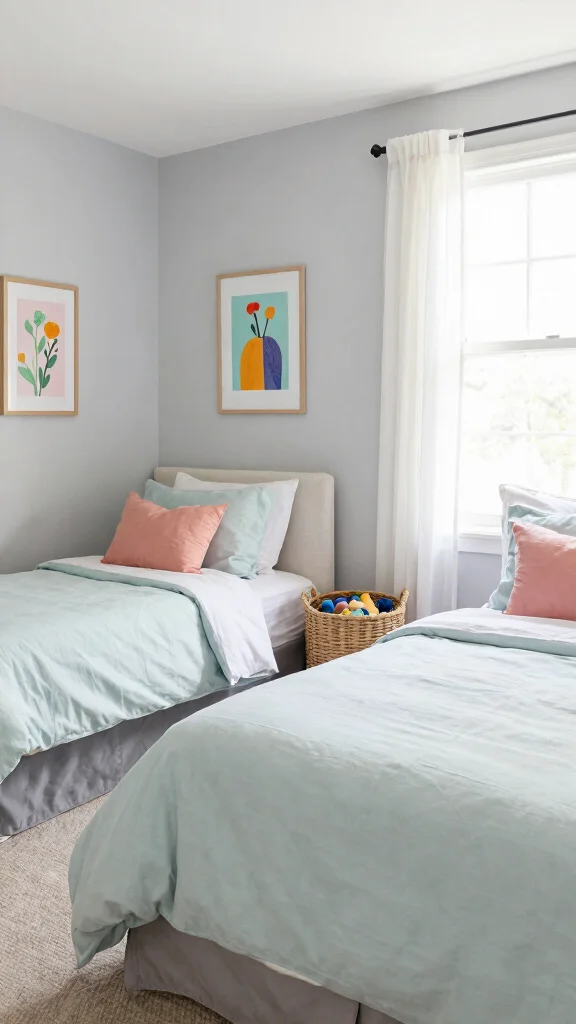
A coordinated color scheme in a shared bedroom fosters unity and harmony, making the space feel cohesive. Choose colors that complement each other while allowing for individual touches. Options like soft pastels or bold contrasts can create an inviting atmosphere that reflects the personalities of both children.
To achieve a well-coordinated look, use similar fabrics and patterns for bedding and curtains, and select wall art that ties into the color palette. Personalized accents can help each child feel a sense of ownership.
Focus on these elements:
– Use matching fabrics for bedding and curtains to create flow.
– Choose wall decor that shares a common theme.
– Incorporate individual throw pillows to express personal style.
A cohesive color scheme can visually expand the space while maintaining an organized feel.
Recommended Products

【Multi-Function Space-Saving Design】This Murphy bed folds into a cabinet when not in use to save valuable floor space. Ideal for guest rooms, home offices, home gyms, apartments, or other multi-purpose spaces

【Dual Functionality】Bed & Storage Cabinet, maximize your space effortlessly with our Murphy bed's dual functionality. Use it as storage cabinets when folded, or unfold it into a comfortable bed when needed, ensuring clutter-free spaces

【Multi-Function Space-Saving Design】This Murphy bed folds into a cabinet when not in use to save valuable floor space. Ideal for guest rooms, home offices, home gyms, apartments, or other multi-purpose spaces
8. Floating Shelves for Storage
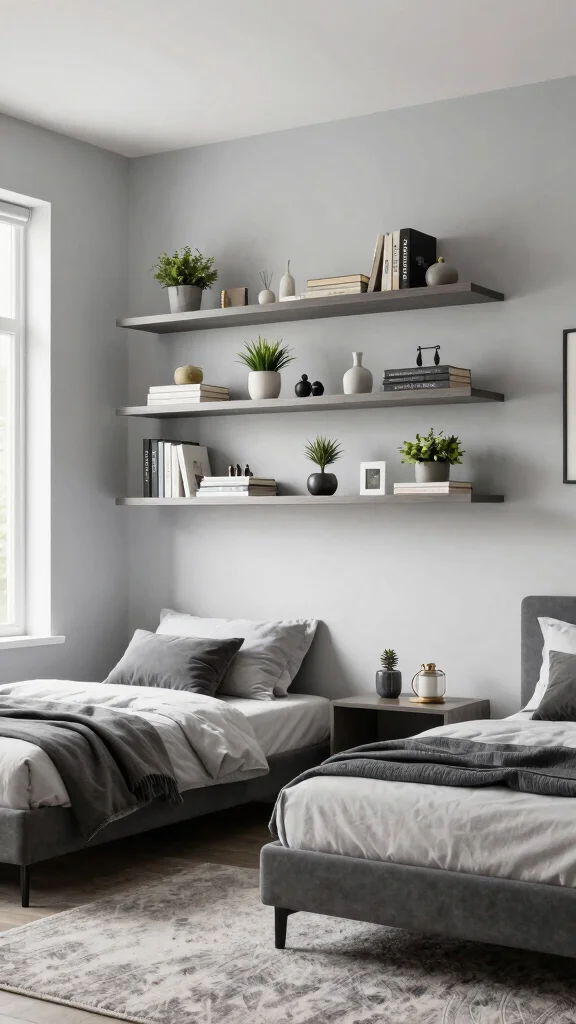
Floating shelves are a chic and functional addition to any shared or guest room, providing vital storage without encroaching on floor space. They can be installed above beds or desks, helping to keep the room tidy and organized. These shelves also double as display areas for personal items or decorative pieces.
When planning floating shelves, consider varying heights to add visual interest and using colorful baskets to keep items organized and accessible.
Here are some tips for styling floating shelves:
– Create visual appeal with varied heights for different items.
– Incorporate decorative boxes for a tidy look.
– Add small plants or unique decor to personalize the space.
This solution not only saves space but also enhances the room’s overall decor.
Recommended Products
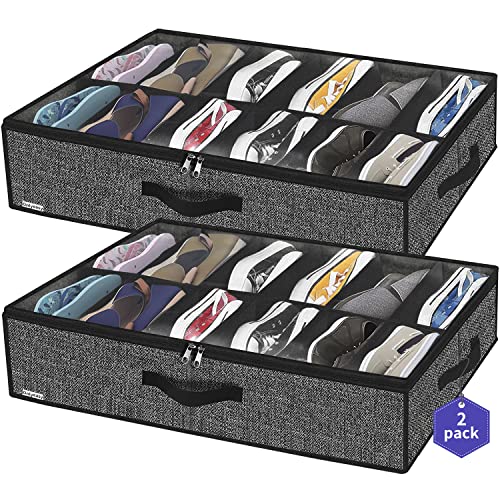
LARGE STORAGE CAPACITY: This shoes under bed organiser set can store up to total 24 pairs of flat shoes or 12 pairs of sneakers with ease. Foldable to save space when not in use. Large size: 29.3"x23.6"x5.9"(74.5x60x15cm), each cell: L11.8"x W4.9"x H5.9"(30×12.4x15cm), more suitable for women and girls.

80L Expandable Larger Capacity : Under the bed storage with dimensions 31.5 x 15.75 x 9.45 inches (with wheels), height adjustable from 9.45" to 11.02" to fit most bed frames. Perfect for storing clothing, shoe, bedding, pillow, towel, and seasonal decor like wrapping paper, Christmas and Halloween supplies. Slides smoothly under bed, couch, closet and table to maximize unused space

Reinforced Handles: The reinforced handles are sewn with 3 layers of fabric to ensure easier carrying. You can lift the storage box without worrying about it breaking when filled with heavy clothes
You might also like
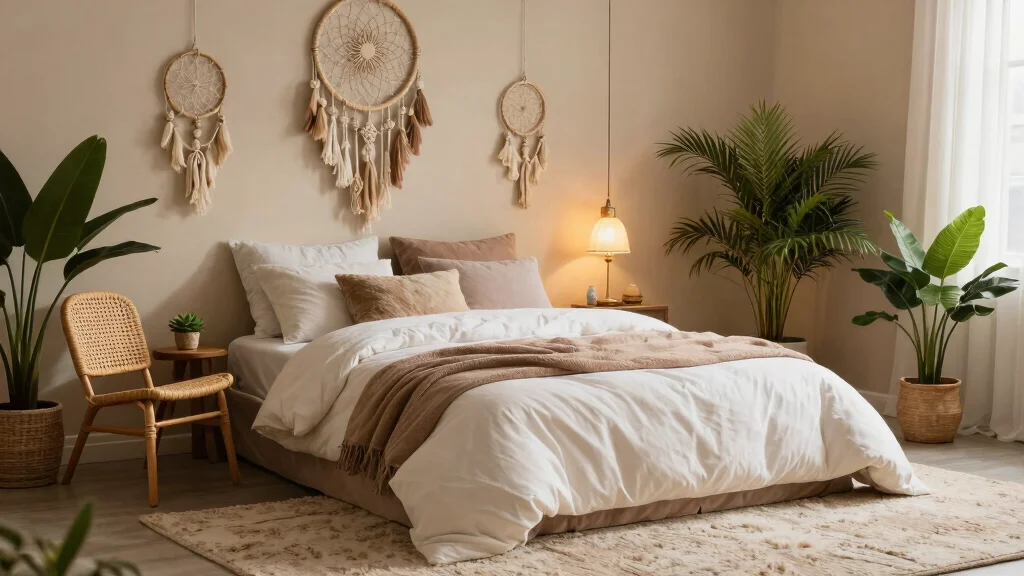
9. Multi-Functional Furniture
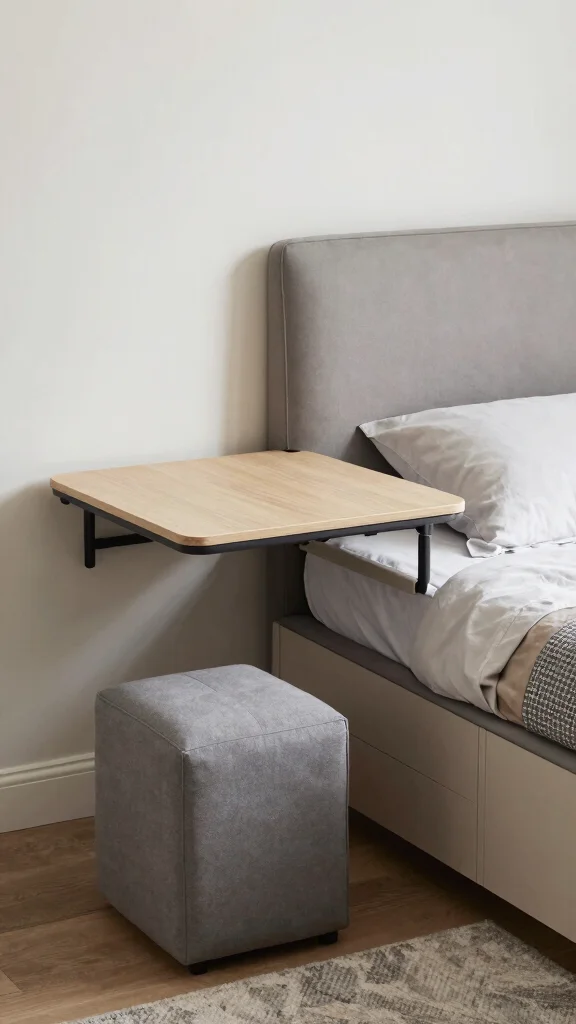
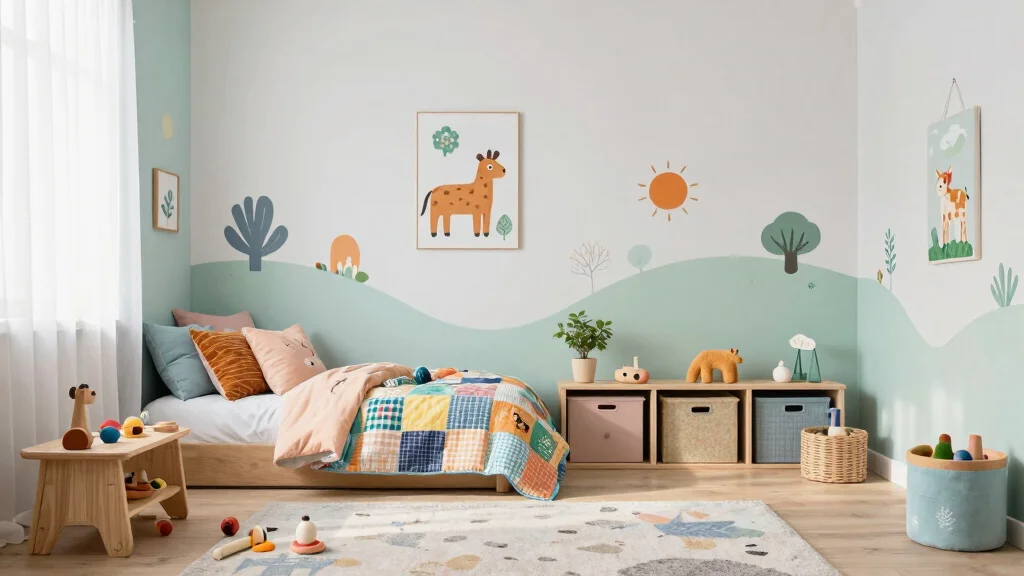
Multi-functional furniture is a lifesaver in small bedrooms, offering pieces that serve dual purposes. Look for beds with storage drawers, ottomans that double as seating, or desks that can fold away when not in use. These options maximize space and enhance the room’s functionality.
When selecting multi-functional items, prioritize style alongside practicality for a cohesive look.
Here are some ideas to consider:
– Choose a bench at the foot of the bed that provides both seating and storage.
– Opt for a foldable desk that can be tucked away when not in use.
– Look for beds with integrated shelves to reduce clutter.
This approach keeps the room organized while providing essential functions that adapt to your needs.
10. Personal Touches with Decor
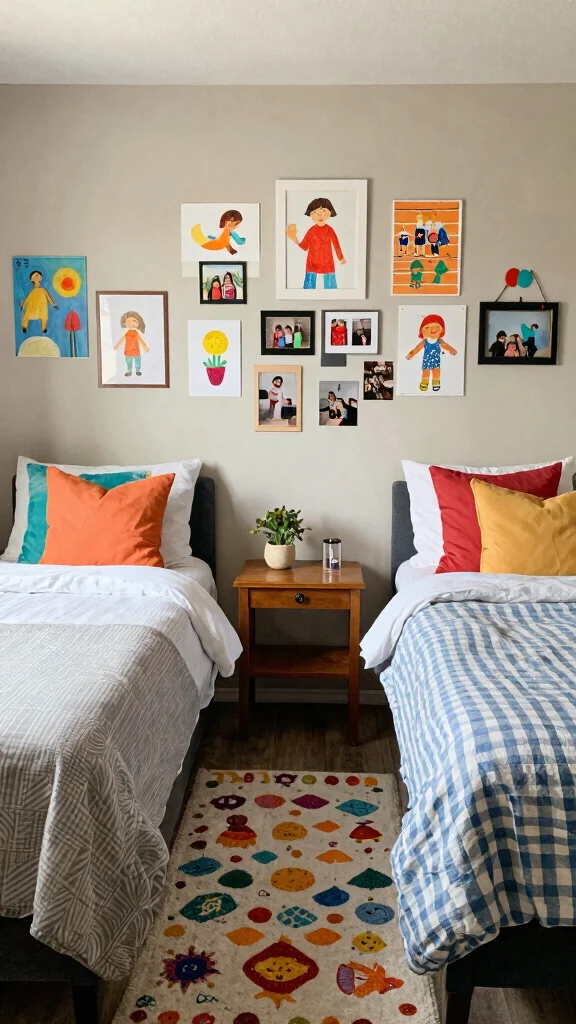
Infusing personal touches into decor can transform a shared bedroom into a warm and inviting space. Encourage each sibling to display their favorite items, whether it’s artwork, photographs, or themed bedding. Personalization fosters a sense of ownership, making the room feel uniquely theirs.
To enhance this personal touch, consider using corkboards or framed displays to showcase favorite items, and allow each child to choose their bedspread or wall decor to reflect their tastes without overpowering the overall design.
Explore these ideas for personalization:
– Frame a collection of their favorite drawings for a unique display.
– Create a collaborative mural that represents their interests.
– Use wall decals that can be easily changed as they grow.
Personalized decor can cultivate a cherished atmosphere that feels like home.
Fun fact: bedrooms with personal displays feel up to 40% cozier and more organized. When each child can showcase their favorite items—photos, art, or themed bedding—ownership grows and the space stays welcoming. Try corkboards or framed displays in your bedroom ideas 2 beds layout.
11. Use of Area Rugs to Define Spaces
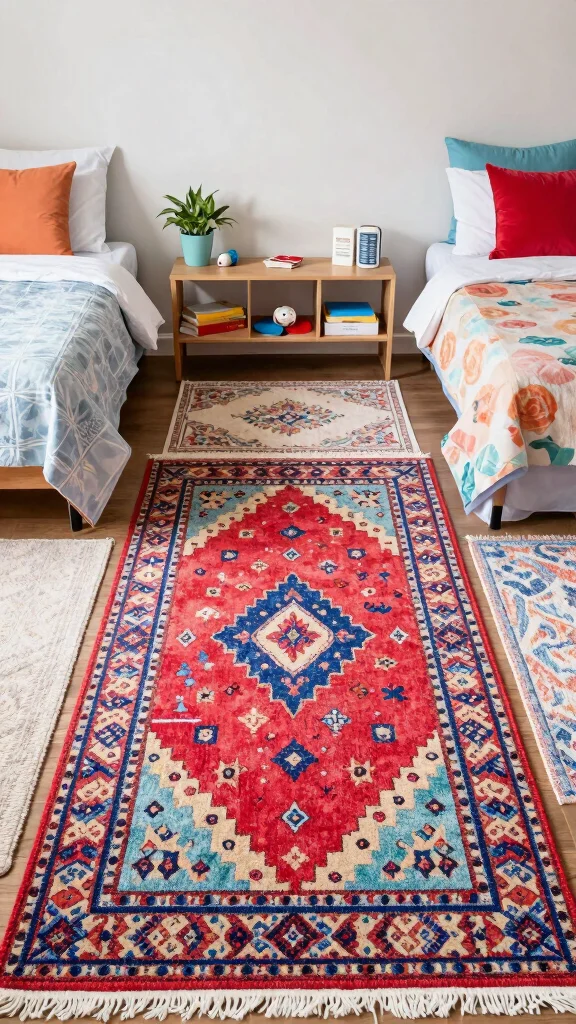
Area rugs are an excellent way to define different spaces within a shared room, creating distinct areas for each child. A large rug can serve as a designated play area, while smaller rugs beside each bed offer comfort and warmth. Choose rugs with various patterns or colors to enhance the room’s aesthetic while allowing for individual expression.
When choosing rugs, look for durable materials that withstand wear and tear, and select colors that tie into the overall theme while allowing for personal flair.
Consider these tips for area rugs:
– Opt for sturdy materials that resist damage.
– Choose designs that complement the room’s decor.
– Layer rugs for added texture and dimension.
Thoughtful rug placement can help organize the space while visually expanding it.
12. Wall-Mounted Desks for Study Spaces
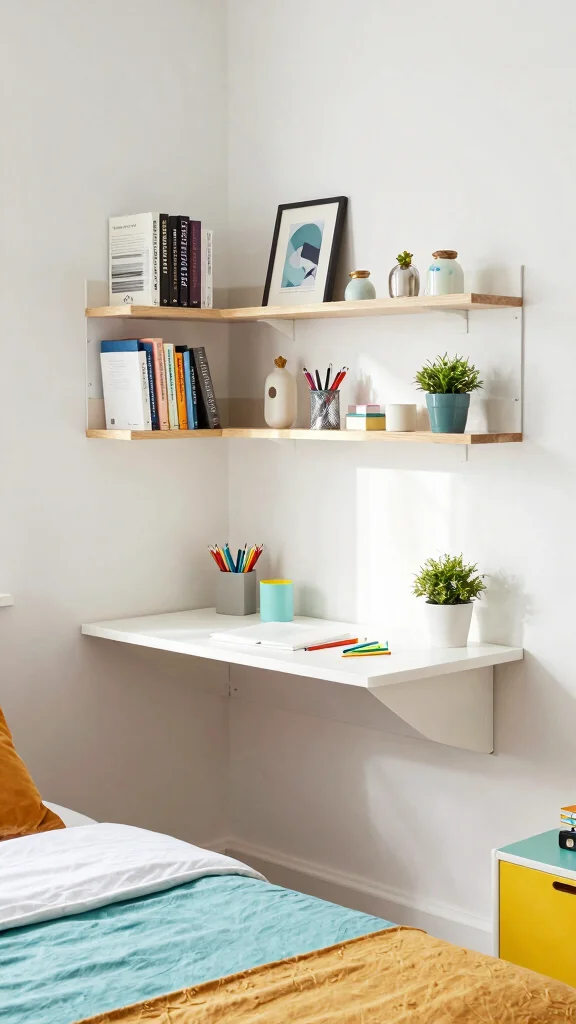
Wall-mounted desks are an ideal option for creating study areas in smaller bedrooms, conserving valuable floor space. These desks can be paired with stylish shelves for added storage, transforming a corner into a productive nook. When not in use, they can be easily folded up, keeping the area tidy.
When selecting wall-mounted desks, ensure they’re at a comfortable height for use, and add shelves above for easy access to books and supplies.
Think about these additions for wall-mounted desks:
– Ensure it’s positioned for comfortable use.
– Add shelves for organizing supplies.
– Personalize the desk with fun accessories to inspire creativity.
This setup not only encourages productivity but also helps make studying feel more appealing.
Product Recommendations:
13. Creative Use of Wallpaper
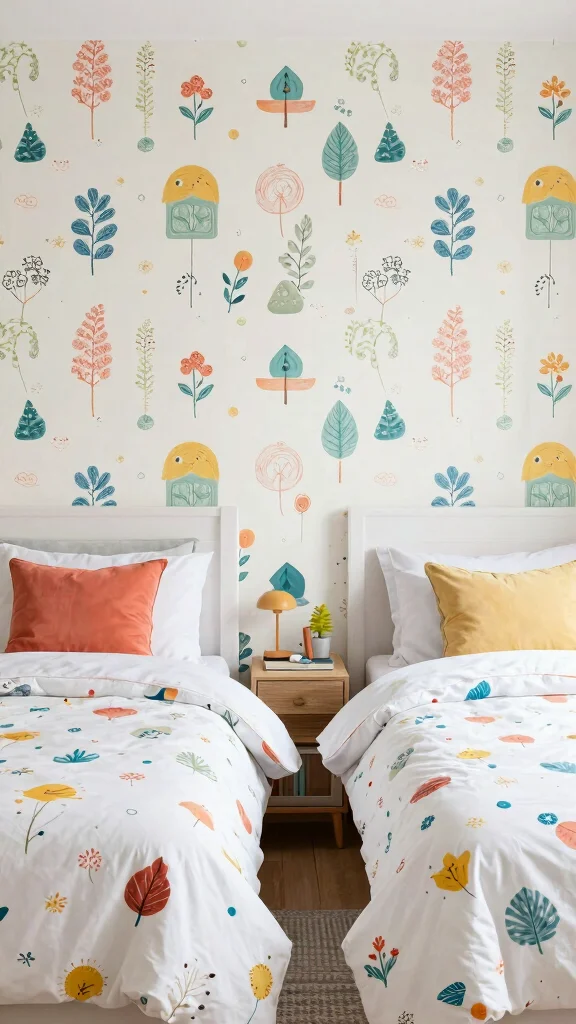
Wallpaper can infuse character and charm into a shared bedroom, making it feel uniquely theirs. A fun pattern can serve as a statement wall, drawing the eye and adding depth. Removable wallpaper is a smart choice for easily updating the look as preferences evolve.
For wallpaper use, select themes that resonate with both children, like nature or geometric designs, and coordinate it with bedding for a unified feel.
Consider these tips for using wallpaper:
– Choose a theme that appeals to both children.
– Coordinate wallpaper with bedding for a cohesive look.
– Use it on one wall to avoid overwhelming the space.
Creative wallpaper choices can set a delightful tone for the entire room.
14. Built-in Storage Solutions
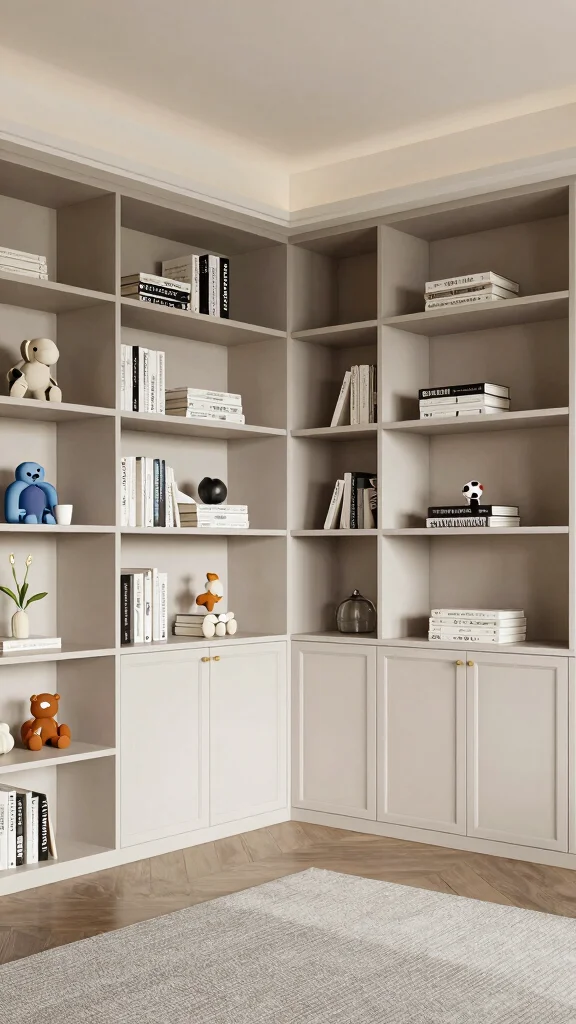
Built-in storage solutions are invaluable in compact bedrooms, offering custom options that provide ample storage without compromising space. Designed to fit seamlessly into the room, these features keep clothes, toys, and books organized while enhancing the overall aesthetic.
Benefits of built-in storage include maximizing vertical space and maintaining a tidy look, which is essential in shared rooms.
Key features to look for include:
– Shelves and cabinets that utilize vertical space effectively.
– Designs that keep the room clutter-free and organized.
– Stylish elements that enhance the room’s decor.
Built-in storage not only maintains a clean environment but also adds value to the room with its thoughtful design.
You Might Also Like
15. Canopy Beds for a Touch of Luxury
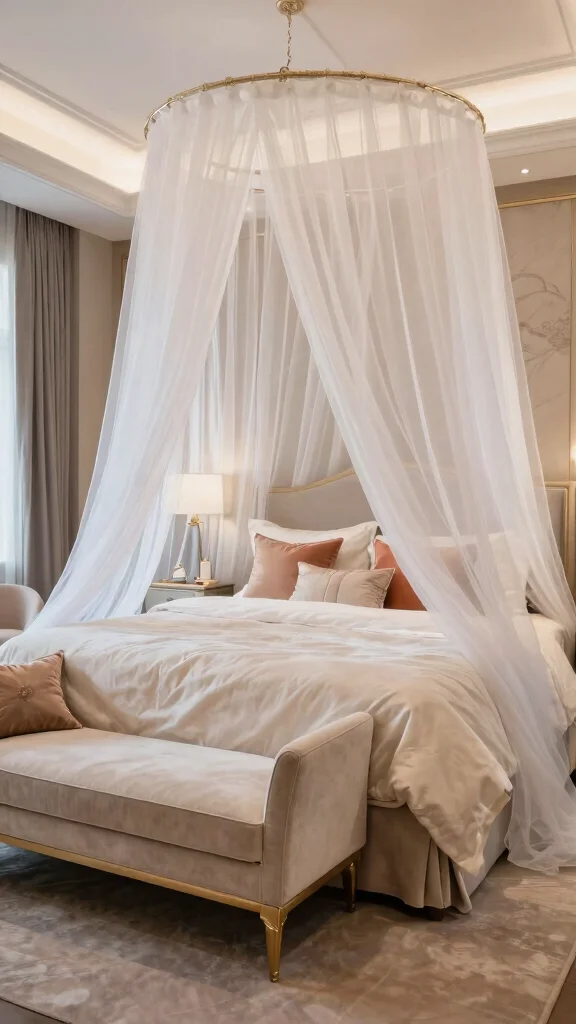
Canopy beds bring a touch of luxury and elegance to any bedroom, creating an inviting retreat. For shared spaces, consider a single canopy bed paired with a daybed or trundle to accommodate guests. Light fabrics can create a soft, dreamy atmosphere while allowing natural light to filter through.
To enhance the canopy bed’s appeal, use sheer fabrics for an elegant look, and adding fairy lights can create a magical ambiance at night.
Explore these ideas for a canopy bed:
– Use flowy fabrics for a light and airy feel.
– Incorporate fairy lights for a whimsical touch.
– Personalize the bed with unique bedding that reflects the occupants’ styles.
This idea transforms a simple bedroom into a charming escape.
Product Recommendations:
16. Minimalist Approach for a Clean Look
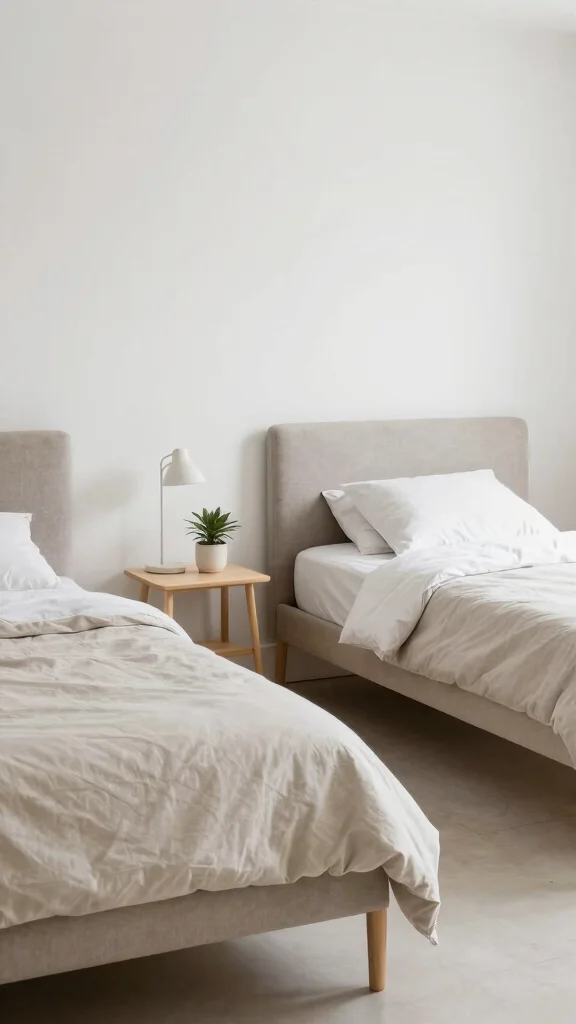
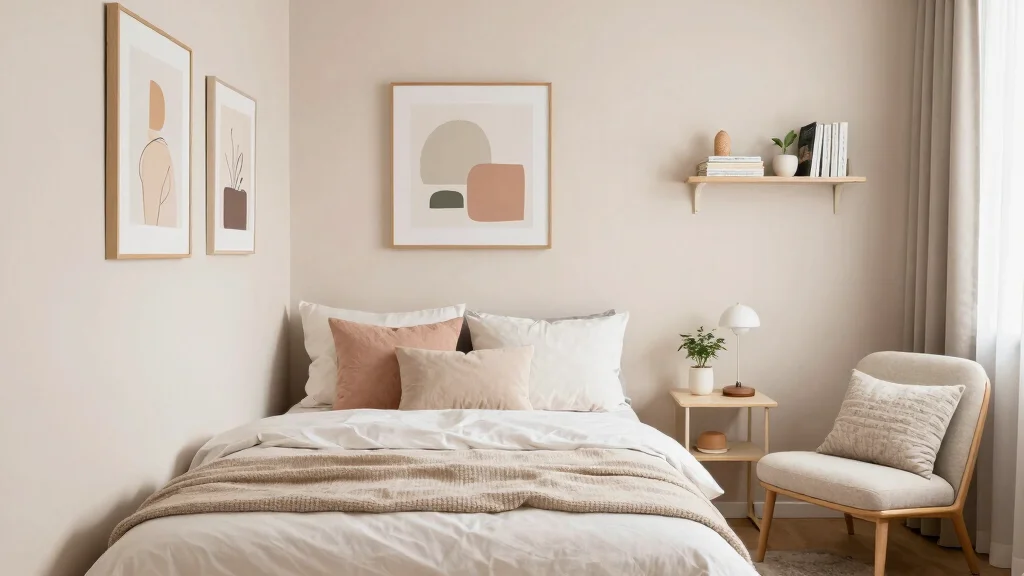
Adopting a minimalist approach in bedroom design can create a sense of tranquility and order. By focusing on essential pieces and reducing clutter, shared bedrooms can feel more spacious and serene. Simple furnishings and a limited color palette can cultivate a peaceful environment, perfect for rest and rejuvenation.
To achieve a minimalist design, select functional furniture that serves a purpose without excess, and choose neutral colors with a few accent pieces for character.
Here are some tips for a minimalist look:
– Choose furniture that offers functionality with minimalism.
– Use soothing neutral colors for a calming effect.
– Keep surfaces clutter-free for easy maintenance.
Minimalism enhances the room’s style, providing a fresh, clean aesthetic that appeals to all ages.
17. Personalized Wall Art
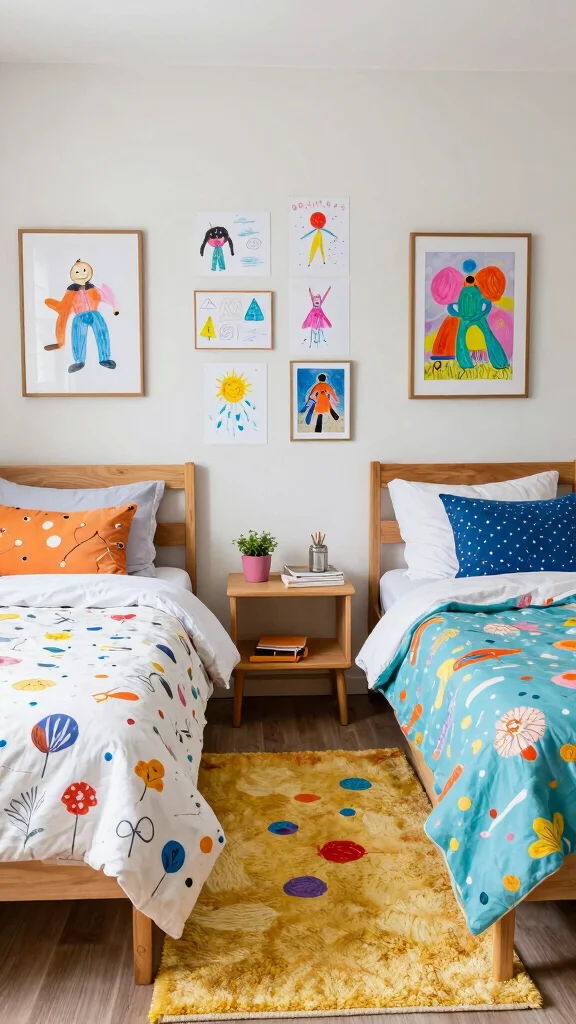
Creating personalized wall art can make a shared bedroom feel more unique and meaningful. Kids can engage in DIY projects, crafting pieces that reflect their personalities and interests. This fosters creativity and allows each child to leave their mark on the space.
Some ideas for personalized wall art include framing their favorite drawings or photos and collaborating on a mural that showcases their combined interests.
Consider these creative ideas:
– Frame a collection of their favorite art for a personalized gallery.
– Create a mural that reflects their shared interests.
– Use removable decals that can be updated as they grow.
Personalized wall art can turn the room into a cherished space filled with creativity and memories.
Fun fact: 3 quick DIY wall art projects can transform a shared bedroom in under an hour—perfect for bedroom ideas 2 beds. When kids design their own pieces, the space feels personal and tidy. Frame a favorite drawing or photo, and let collaboration turn walls into a memory board.
18. Accent Lighting for Atmosphere
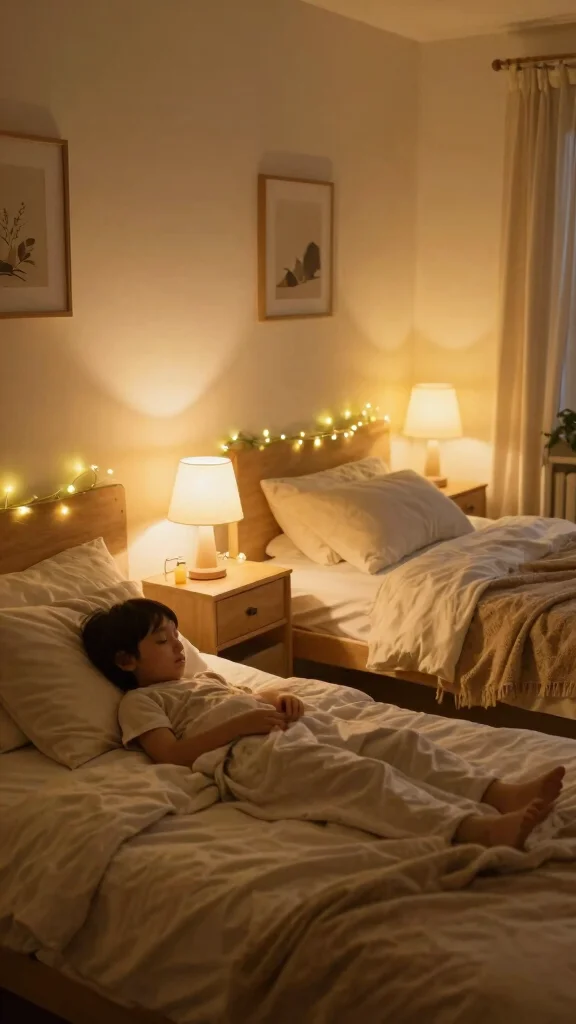
Accent lighting can dramatically enhance the mood and atmosphere of a shared bedroom. Installing wall sconces, bedside lamps, or decorative fairy lights can create a cozy ambiance, perfect for winding down after a busy day. Select lighting fixtures that reflect the room’s overall style while ensuring adequate illumination for reading or studying.
When planning your lighting, consider incorporating adjustable lamps for flexibility in brightness and using soft white or colored bulbs to set varying moods.
Keep these ideas in mind for accent lighting:
– Use adjustable lamps for customizable brightness.
– Choose soft lighting for a warm atmosphere.
– Incorporate string lights for a playful touch.
Accent lighting not only enhances the overall design but also makes the room feel more inviting.
19. Embrace Nature with Indoor Plants
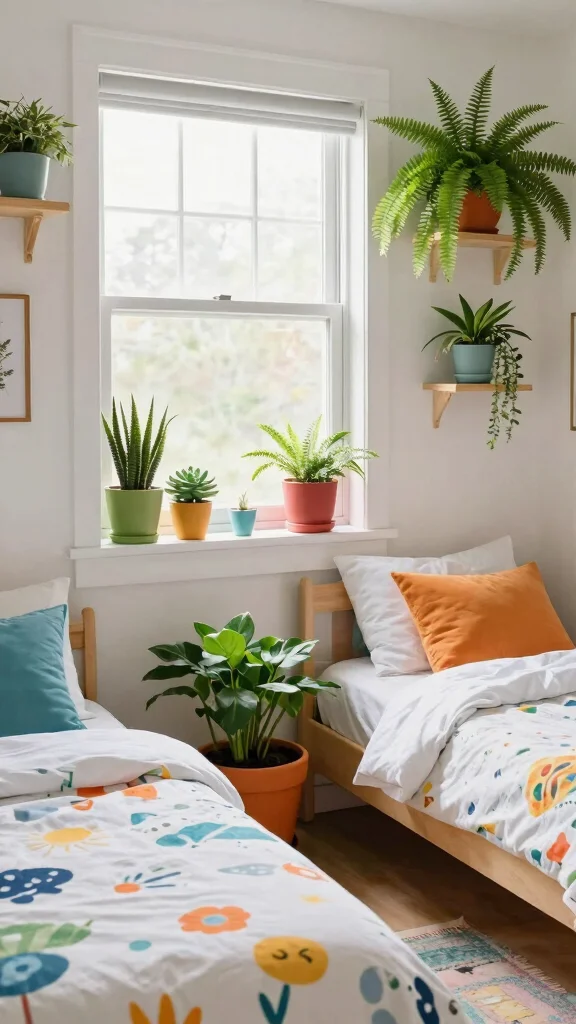
Incorporating indoor plants into a shared bedroom or guest room can improve air quality while adding a refreshing, natural element. Low-maintenance options like succulents, spider plants, or peace lilies thrive in various lighting conditions and can be placed on windowsills, shelves, or as part of bedside decor.
When adding plants, choose varieties that require minimal care and select colorful pots that match the room’s decor. Encouraging children to help with plant care teaches responsibility while beautifying their space.
Consider these tips for adding plants:
– Choose easy-care plants suitable for shared spaces.
– Use colorful pots to enhance the decor.
– Involve children in caring for the plants to foster responsibility.
Embracing nature not only adds vibrancy but also creates an inviting atmosphere.
Conclusion
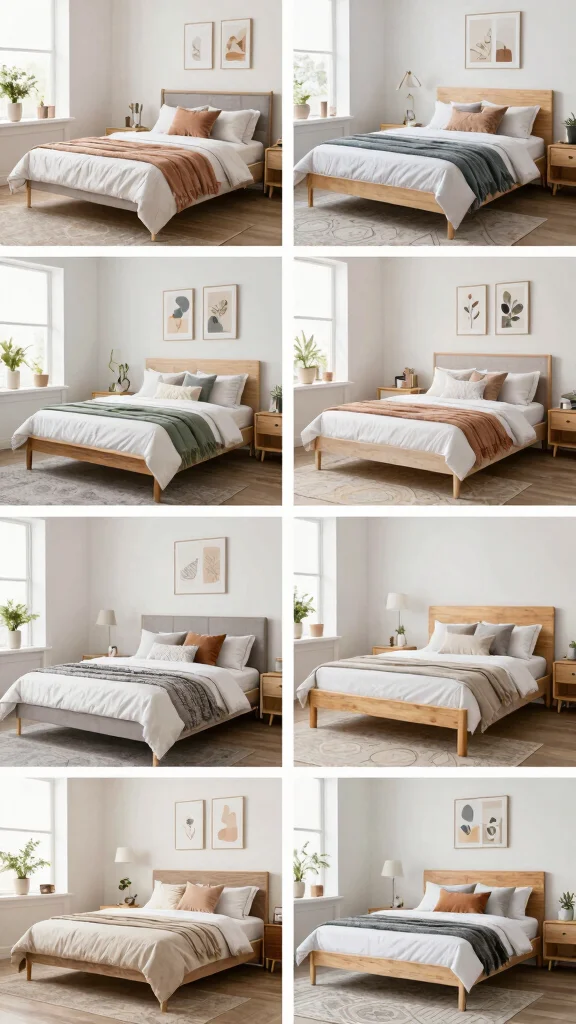
Designing a shared bedroom or guest room with two beds doesn’t have to be overwhelming. With thoughtful planning and creativity, you can create a space that is functional, stylish, and reflects each occupant’s personality. From bunk beds to multi-functional furniture, there are endless possibilities to explore.
Embrace these ideas to inspire your own designs and make the most of your space—after all, a well-designed room can foster not only rest but also fantastic memories.
Note: We aim to provide accurate product links, but some may occasionally expire or become unavailable. If this happens, please search directly on Amazon for the product or a suitable alternative.
This post contains Amazon affiliate links, meaning we may earn a small commission if you purchase through our links, at no extra cost to you.
Frequently Asked Questions
What are the best space-saving furniture ideas for a two-bed shared bedroom?
Great space-saving furniture for a two-bed shared bedroom includes a loft bed with a desk underneath, or a bunk bed with built-in drawers. Add under-bed storage drawers and wall-mounted shelves to keep floors clear. Choose modular desks and seating that can swap between study and storage roles. For guests, consider a pull-out trundle or a daybed that doubles as seating. This keeps the room flexible and functional while maximizing floor space.
How can you arrange two beds in a small room for optimal layout?
Try practical layouts that fit your space: two beds along adjacent walls with a slim nightstand between for shared lighting; two beds on opposite walls with a compact desk or storage between to create a study zone; or use a bunk bed or loft bed arrangement with a desk or sofa below to maximize floor space. Add a narrow mirror, vertical storage, and a soft rug to anchor the space. These options support dual bed arrangements and keep the room practical and cozy.
How can you create guest room decor that works for siblings too?
Start with a neutral base and add distinct accents for each bed: two different bedding sets or throw pillows, color-coded curtains, or a small room divider for privacy. Choose shared bedroom design elements like a common dresser and ample storage. Use soft, calming colors and flexible furniture that can be repurposed when guests are not there. Add a folding screen or lightweight curtain to separate space without closing it off. This approach makes the room inviting for guests while still personalized for siblings.
What are budget-friendly tips to differentiate two beds in a shared room?
Differentiate two beds on a budget with colorful bedding, distinct headboards or DIY fabric panels, and lamps on each side. Use different wall art or rug placements to create personality for each bed. Add removable wallpaper or decals for a quick update. Choose versatile space-saving furniture that serves both beds and study areas. Measure closet and storage needs first to avoid clutter.
What safety considerations should I keep in mind for two beds in a small shared room?
Safety first: if you opt for a bunk bed, ensure guard rails and a sturdy ladder, with the top bunk clear of ceiling fans and windows. Maintain adequate clearance around both beds to prevent injuries. Use outlet covers and avoid crammed cords; install soft night lights to help kids navigate in the dark. If you have a loft bed or high furniture, make sure the space below stays organized to prevent access to windows or storage that could be hazardous. The goal is a cozy, accessible space that keeps egress clear.
Related Topics
home decor
shared bedroom design
guest room decor
space-saving furniture
dual bed arrangements
small bedroom tips
multifunctional spaces
sibling rooms
cozy interiors
easy layouts
functional design
minimalist bedrooms
Leave a Reply