
A 9×12 rug is the size that actually works under a king bed, but only if your bedroom clears at least 12 by 14 feet. Drop to an 8×10 and you are left with roughly 10 inches of exposed rug on each side of the 76-inch frame, which reads as cramped the moment both nightstands end up half on, half off the edge. I learned that the hard way after watching an 8×10 creep toward the door every three days, chasing the shorter walk to the dresser.
1. What Size Rug Goes Under a King Bed

A standard king bed measures 76 inches wide by 80 inches long, which is already a significant footprint before you add nightstands or a bench at the foot. A 9×12 rug is the size that actually works for most primary bedrooms built after 2015. It leaves roughly 16 inches of exposed rug on each side of the bed and about 64 inches past the foot once nightstands are factored in, which is enough for your feet to land on something soft when you swing out of bed in the morning.
An 8×10 rug can work in tighter rooms, but it only leaves about 10 inches of visible rug on each side. That margin reads as cramped unless the bed is pushed into a corner, and even then the bed can look like it is floating on a postage stamp. For anything with a sitting area or bench at the foot, a 10×14 rug is the better call. It gives 22 inches per side, enough for nightstands and a bench to sit fully on the rug so the whole arrangement reads as one intentional zone rather than furniture scattered on bare floor.
Recommended Products

Pet-friendly and slip-resistant surface: This area rug has a simple color and a luxurious feel. By using our pet-friendly and easy-to-clean carpet, you can enjoy a better time at home. This design adds a soft and luxurious element to your home, and is very suitable for use as a bedroom carpet, perfectly matching family life.

Modern textured design – High-low pile creates a natural play of light and shadow across the solid cream beige surface. Subtle, but full of character.
2. How Far the Rug Should Extend

The 18–24 inches of exposed rug past all sides of the bed is the distance that separates a purposeful layout from one that looks like the rug wandered in by accident. A king frame measures 76 by 80 inches, so that margin gives you enough softness underfoot when you swing your legs out in the morning without swallowing the whole floor.
An 8×10 rug lands at the low end of that range, offering about 12 inches past each side and roughly 24 at the foot. Your feet will find the rug, but barely; the nightstands will probably sit on bare floor. That tight frame works in smaller bedrooms where a 9×12 would crowd the walls, though in a larger room the same 8×10 starts to look like a bath mat parked next to a boat.
Proportion is what you are really buying. The 18–24 inch band frames the bed as its own zone within the room, the same way a few inches of mat around a photograph let the image breathe. Drop below that band and the rug reads as an afterthought; stretch it much wider and the bed starts to feel stranded on an island of wool.
Recommended Products
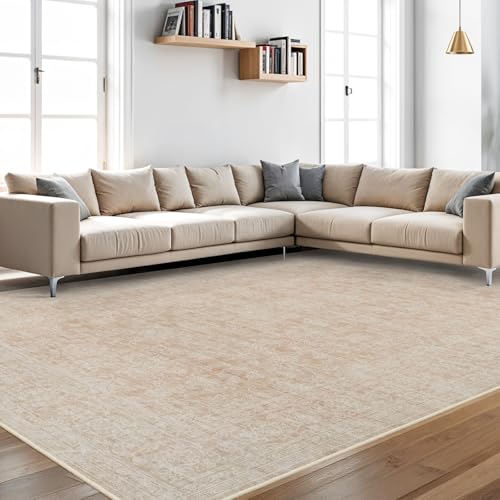
Lived-in Look and Feel: This exquisitely designed rug living room 10×14 features a vintage-inspired motif with a medallion in the center. Its unique, goes-with-anything decor styles from country to contemporary. The inviting colors along with its regal texture create the perfect depth and dimension in your space, allowing you and your loved ones to sit back and relax.

Great Value & Chic Style: This 10×14 area rug adds a vibrant touch to your living room with its beautiful colors and subtle pattern that complements your furniture and decor. It's soft to the touch and looks as elegant as more expensive entryway rugs, offering excellent value for its quality.

Lived-in Look and Feel: This exquisitely designed large area rug features a vintage-inspired motif with a medallion in the center. Its unique, goes-with-anything decor styles from country to contemporary. The inviting colors along with its regal texture create the perfect depth and dimension in your space, allowing you and your loved ones to sit back and relax.
3. Placement Options
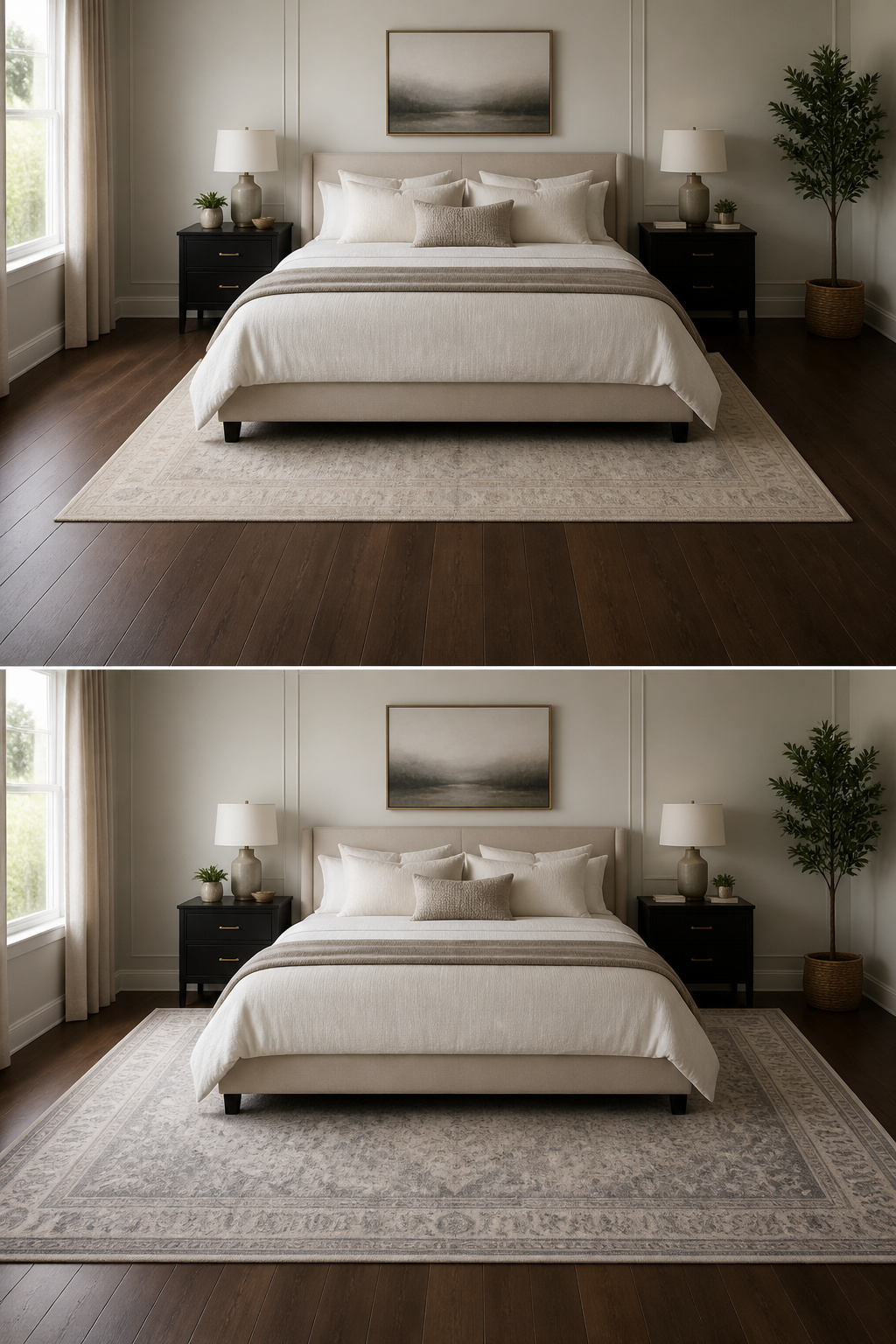
A 9 by 12 foot rug frames the whole bed plus both nightstands, which is the move if the room is large enough to carry it. The bed floats in the middle of the rectangle, the rug extends past it on three sides, and everything reads as one deliberate layer. That takes a bedroom of at least 12 by 14 feet.
The 8 by 10 foot option sits under the lower two-thirds of the bed instead. Nightstands stay on the bare floor, and the rug starts roughly where your pillow line would hit if you slid it down. This is the arrangement I see most often in real rooms, partly because the rug costs less and partly because an 8 by 10 fits an 11 by 13 foot space without looking squeezed.
Keep the nightstands either fully on or fully off. Half on reads as a mistake, like a chair parked with two legs on a patio and two in the grass. The partial placement under the bed itself is common for a reason: it still gives you soft landings at the foot and sides where you actually step, and it opens up more visible floor at the headboard wall, which makes a smaller room breathe.
Recommended Products

【Perfect Home Decor】This fluffy rug to match any decor and suit all your needs. Perfect for bedrooms, living rooms, nurseries or dorms.Provide a warm, joyful addition to your home

Classic Vintage Aesthetic: Featuring timeless traditional persian medallion floral patterns with a sophisticated faded distressed finish, this living room rug brings warm, vintage charm to your home. Perfectly blending with rustic farmhouse, boho, or modern vintage home decor, it instantly enhances any room — making it an ideal 8×10 area rug for living room, bedroom, dining room, home office, or as an cozy focal point for nursery spaces.

PET FRIENDLY & NON-SLIP BACKING: 8×10 area rugs featuring simple of colors while promising a luxurious feel underfoot. The blend of a hexagon pattern and a stylish design. Non-slip TPR backing makes the covering for bringing your space together. Make the most of your time at home with our pet-friendly and easy-to-clean area rugs. Elevate the floors of your home with this show-stopping and detailed rug
4. Nightstands On or Off the Rug

Nightstands sitting fully on the rug is what separates a 9×12 from an 8×10 under a king bed. A 9×12 extends roughly 18 to 24 inches past each side of the 76-by-80-inch frame, which leaves enough width for standard nightstands to rest on the rug with their back legs too. An 8×10 only gives you about 12 inches of clearance on the sides, so the nightstands end up floating off the front edge or sitting entirely on the bare floor.
I used to think this was a minor detail until I saw a bench at the foot of a bed half on and half off the rug. The same thing happens with nightstands: two legs on, two legs off, and the whole arrangement looks like a sizing mistake rather than a choice. The front two legs of each nightstand should at least touch the rug for the bed to read as grounded.
If your bedroom is smaller than about 11 by 13 feet, an 8×10 is still workable. You just accept that the nightstands stay off the rug and you center the rug under the lower two-thirds of the bed so the exposed floor reads as intentional. In anything larger, the 9×12 is the safer call. The 10×14 only enters the picture when the room clears 200 square feet and you want a bench or sitting area at the foot included in the same zone.
Recommended Products

Waffle Pattern Design: This boho-inspired bath mat is expertly crafted with upgraded yarns for a perfect blend of style and durability. The use of heavier, thicker threads ensures the pattern stays firmly intact and well-defined—guaranteed to hold its shape over time!

Bathroom Rug: This classic bohemian bathroom shower rugs feature oriental vintage design. Its distinctive design adds an artistic and luxurious sense to your house. Such an excellent bath mat will add a touch of old-world charm to your house

Sturdy: The back is made of rubber that is not easily damaged, allowing for a tight fit between the rug and the floor; Note: Place the LOCHAS bathroom rug on a dry, flat floor to prevent it from slipping
5. Rug Sizes Compared

A 9×12 rug is the size that actually fits most king beds built after 2015, but the math changes fast once you measure your room. An 8×10 leaves only 10 inches of exposed rug past each side of a 76-by-80-inch king frame, which reads cramped unless the bed is pushed into a corner. A 10×14 gives 22 inches per side and enough length for nightstands plus a bench at the foot to sit fully on the rug.
A 6×9 rug is generally too small: it covers only the bottom section of the bed and does not extend beyond both sides, so it functions more like a layered accent than a proper anchor for the room.
| Rug Size | Dimensions | Extension Past Bed Sides | Best Room Size | Relative Cost |
|---|---|---|---|---|
| 8×10 | 96 x 120 in | ~10–12 in | At least 11 x 13 ft | Lower |
| 9×12 | 108 x 144 in | ~16 in | At least 12 x 14 ft | Mid |
| 10×14 | 120 x 168 in | ~22 in | Over 200 sq ft | Higher |
Rooms over 200 square feet should size up to 10×14. The 9×12 hits the middle ground most primary bedrooms need: enough clearance to look intentional, not so much that the rug swallows the floor.
Recommended Products

【Ultra Soft Faux Silky Rug】: Our 5'x7' area rug is crafted from ultra-soft faux silky fibers with a low-pile design, offering a comfortable and smooth touch underfoot. Featuring an elegant vintage-inspired blue four-corner diamond pattern, this rug adds a timeless decorative style to living rooms, bedrooms, dining areas, and more.

Soft Comfort Materials — Made from soft 100% polyester carpet material certified to OEKO-TEX STANDARD 100, this washable rug offers a cozy, comfortable feel underfoot. Available in compact, runner, and room-size options, it adds warmth to entryways, hallways, bedrooms, home offices, living rooms, and dining areas. Inviting for barefoot use and active households, bringing together everyday comfort and versatile style

Fluffy Rug with Rubber Backing: The biggest feature of this material is its amazingly soft touch, especially when you walk on it. This softness comes from thousands of 1.5 inches plush fibers. In addition, this soft fabric rug is crafted with high-density sponge layer and anti-slip backing to keep it in place and prevent sliding. The non-slip backing also protects floors from scratches
6. Runners as an Alternative
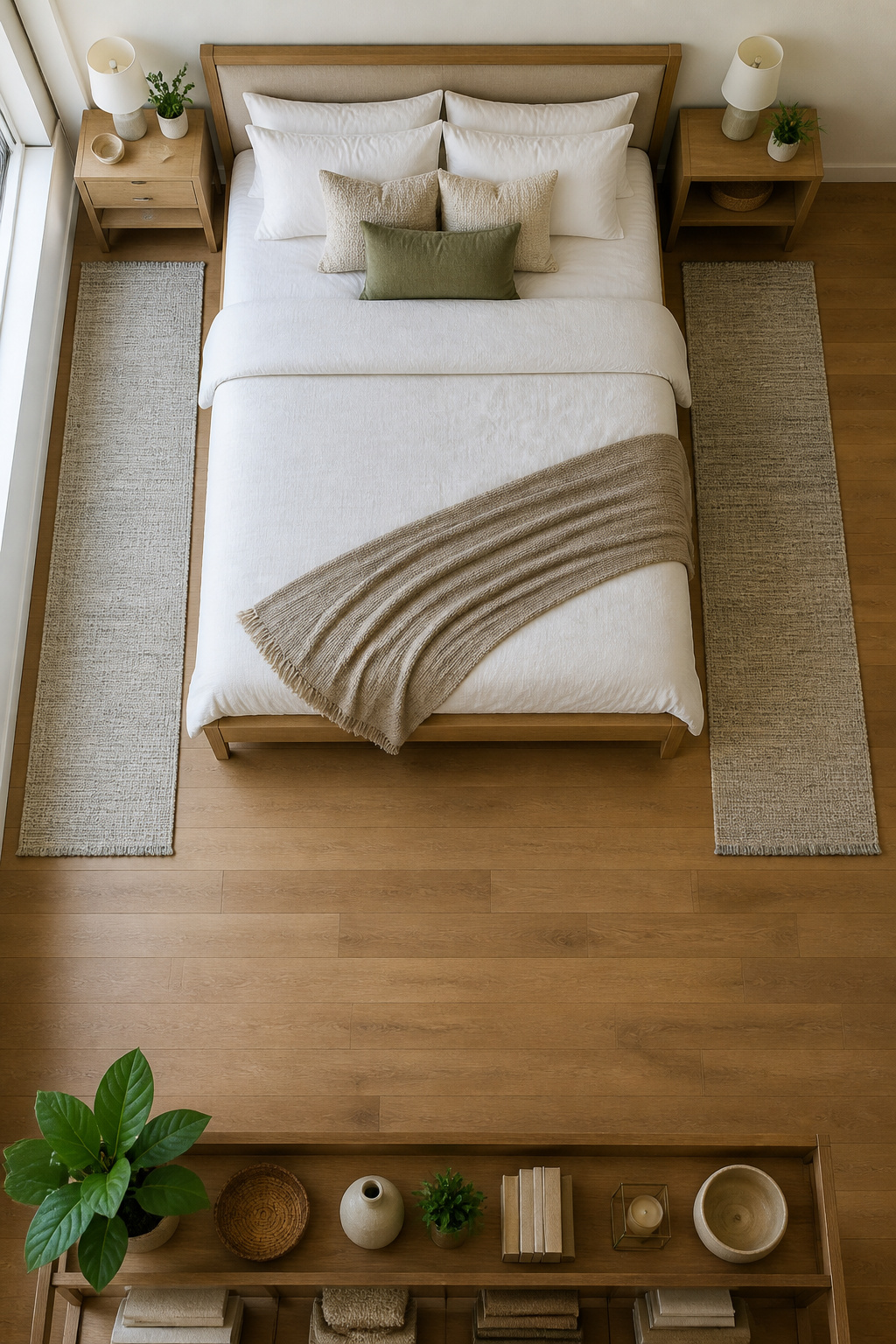
Two runners, each about 2.5 feet by 8 feet, flanking the bed instead of sliding one underneath it, cost far less than a 9×12 or 10×14 and still solve the cold-floor problem on both sides. I like this setup for renters or anyone waiting to see how a space settles; you are not locked into a single large piece that has to fit the next room or the next apartment.
The tradeoff is real. A runner pair leaves the center strip bare from the foot of the bed to the wall, so you lose that wrapped-in warmth when you swing out on the mattress side. Visually, the bed floats on hardwood instead of anchoring to a single field of color, which can read as unfinished if the rest of the room is sparse. That said, running the runners under open-style nightstands, rather than stopping at the legs, keeps some continuity and protects the floor from scuffs.
This works best when you already love a rug that only comes in runner sizes, or when you know you will move within a year and do not want to haul a heavy 9×12. It is a holding pattern, not a forever choice.
Recommended Products

Machine Washable & Stain Resistant: Featuring a premium stain-resistant top surface, these 9×12 area rugs efficiently repel daily liquid spills and accidental stains. Messes can be wiped off in seconds without leaving stubborn marks. Made with premium color-locking fabric, the washable rugs 9×12 maintain vibrant, true-to-original hues even after multiple washes. Simply machine wash with cold water for a quick refresh, keeping the rug bright and flawless for long-term use.

CLOUD LIKE SOFTNESS & SUPREMELY COZY: Treat bare feet to absolute comfort. Crafted from premium faux wool, this living room rug delivers a luxuriously velvety soft texture that shields toes from cold floors. The tightly woven fibers to be non-shedding and durable, provides a relaxing environment.

Classic Vintage Area Rug: The vintage medallion design of the living room rug adds a timeless appeal that complements various decor styles. Whether your home leans towards a modern aesthetic or a cozy, rustic vibe, this carpet seamlessly integrates into your existing decor while providing a touch of retro flair. The beige rug provides a neutral backdrop, allowing it to enhance the beauty of your space without overwhelming it.
7. Sizing Up Instead of Down

A 6×9 or 8×10 rug under a king bed leaves the floor looking broken into pieces, like a placemat that gave up halfway across the table. The mattress crowds the edges, the nightstands sit bare on wood or carpet, and the whole room shrinks around the gap. I notice it most in the mornings, when bare floor shows on three sides and the rug has slid an inch or two from wrestling with the bed legs.
The safer move is to size up instead of down. An 8×10 under a king bed tucks only 10–12 inches under the mattress on a good day, which means most of the rug hides where no one sees it and the walking space around the bed reads as cramped. A 9×12 clears 18 inches per side, enough that the rug frames the bed instead of vanishing beneath it. If the room runs over 200 square feet, a 10×14 pushes that exposed border to 22 inches and the whole floor starts reading as intentional.
The cost jump from 8×10 to 9×12 stings at checkout, but the 8×10 ends up costing twice when you replace it six months later.
Recommended Products

Lived-in Look and Feel: This exquisitely designed large area rug features a vintage-inspired motif with a medallion in the center. Its unique, goes-with-anything decor styles from country to contemporary. The inviting colors along with its regal texture create the perfect depth and dimension in your space, allowing you and your loved ones to sit back and relax.
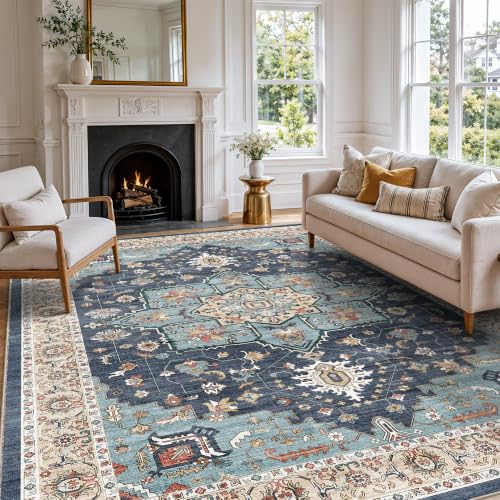
Lived-in Look and Feel: This exquisitely designed area rugs 10×14 living room features a vintage-inspired motif with a medallion in the center. Its unique, goes-with-anything decor styles from country to contemporary. The inviting colors along with its regal texture create the perfect depth and dimension in your space, allowing you and your loved ones to sit back and relax.

NON-SLIP GRIP FOR SAFETY: Durable latex rubber backing prevents slipping, sliding, bunching, and wrinkles on hardwood, tile, carpet, or any floor—superior hold compared to basic foam pads for everyday use.
What I Got Wrong the First Time

I bought an 8×10 for our king bed because the price gap from the 9×12 felt steep and the room was only twelve feet wide. The rug cleared the frame by maybe six inches on each side, which looked fine in the store aisle and less fine once the nightstands sat half on, half off, breaking the edge into four floating islands of pattern. A king bed is 76 inches wide, so 8×10 leaves no breathing room for the frame, the nightstands, or your feet in the morning.
The real trouble started when I tried to layer it over existing carpet. The rug crept toward the door every three days, chasing the shorter walk to the dresser, and the exposed pad at the foot looked like I had sized down to save money, which I had. The 18 to 24 inches of visible rug that sources recommend exists for a reason: it is the minimum that lets the bed read as grounded rather than perched. I learned that 9×12 is not the generous option; it is the functional floor for a 76-inch mattress, and the 8×10 is a bath mat that wandered into the wrong room.
Recommended Products

【Super Soft Area Rug】Our 8×10 area rugs are crafted from soft and high-density material that create a velvety texture, gently cushioning every step—like walking on a cloud. Featuring a modern abstract design with bold artistic print patterns, the beige rug adds a contemporary touch to any space. Ideal large rugs for living room, bedroom, dining room under tables, nurserys, or office.

Classic Vintage Aesthetic: Featuring timeless traditional persian medallion floral patterns with a sophisticated faded distressed finish, this neutral rug brings warm, vintage charm to your home. Perfectly blending with rustic farmhouse, boho, or modern vintage home decor, it instantly enhances any room — making it an ideal 8×10 area rug for living room, bedroom, dining room, or as an cozy focal point for nursery spaces.

Neutral Abstract Rug: This 8'×10' rug features a distressed abstract design in subtle tones, adding a modern, artistic touch to your space. It blends effortlessly with any home style, instantly enhancing your living room, bedroom, dining area, or office
Materials That Last

Wool still sets the standard for a bedroom rug that has to survive daily traffic. The fiber bounces back from compression better than most, and its natural oils repel the kind of small spills that happen when a kid climbs into bed with juice or a dog shakes off after rain. A wool rug in a king bedroom will outlast the synthetic alternatives by years, but it costs more upfront and usually needs professional cleaning rather than a trip through the washer.
For households where that tradeoff matters, machine-washable power-loomed rugs in synthetic blends solve the maintenance problem outright. Polypropylene and wool blends wear well and clean up easily, which matters under a bed that gets shifted during sheet changes and vacuuming. The low pile that works best in high-traffic bedrooms also hides the lint and pet hair that collect in a room you spend eight hours a night breathing in.
Pattern beats solid color here. A medium-tone design with some variation hides the crumbs, dust, and occasional sock that do not quite make it to the hamper. A low pile you can vacuum without fighting the beater bar is the practical floor; the pattern is what lets you run that vacuum weekly instead of daily. Delicate natural fibers can struggle under a heavy king bed frame and the constant migration of the rug pad beneath it, so save those for guest rooms or areas where the bed never moves.
Recommended Products

Soft Bath Rug: Our bathroom rugs are made of soft microfiber; the fluffy plush provides excellent comfort for your feet; When you step out of the shower and put your feet on the bathroom mat, the thick bathroom rug brings you a soft and warm touch

Sturdy: The back is made of non slip rubber material, which is not easy to move when stepped on; Note: Place the LOCHAS bathroom rugs on a dry, flat floor to prevent it from slipping
Measuring Your Own Room

A 12-foot tape measure is the only tool you really need for this. I start at one wall and walk the perimeter, writing down where the bed sits relative to the closet doors, any dresser, and the entry point. A primary bedroom under 150 square feet leaves less room to work with than one over 200 square feet, and that gap determines whether a 9-by-12 or a 10-by-14 fits without crowding your walkway.
Leave at least 24 inches of clear floor on the side where you walk in, so the rug doesn’t catch the door swing. Painter’s tape marks the rug’s footprint on the floor before you order anything. Lay it down in the exact dimensions you’re considering, then live with it for a day. Step around it in the dark. Open drawers. That taped rectangle tells you more than any diagram.
Recommended Products

STYLISH DESIGN: This trendsetting striped area rug design in a rich warm color palette combination can be perfectly paired with a variety of home décor styles.

Trendy Modern Rug: Our area rug is designed in today's popular minimalist style, featuring adaptable printed patterns that seamlessly blend into a wide range of interior aesthetics. This neutral rug adds understated elegance with a strong feeling of individuality to your living room, bedroom, dining room, nursery or playroom.
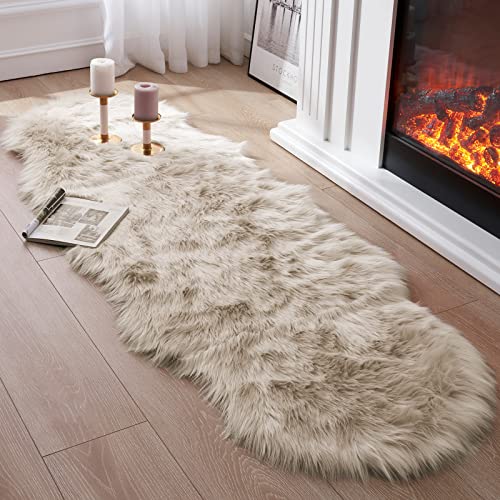
【Premium Thick Faux Fur & High-density Fabric】Crafted with high-quality velvety polyester material, this plush area rug features a 3-inch high-density long surface pile for an ultra-soft, fluffy foot feel and comfortable touch. the fabric is skin-friendly and low-allergen, It features stable color fastness, effective dust resistance. maintaining a neat and fresh appearance for long-term daily use
Frequently Asked Questions
What size rug is best under a king bed?
A 9×12 rug works best for most primary bedrooms with a king bed. It leaves roughly 16 inches of exposed rug on each side and about 64 inches past the foot once nightstands are factored in, giving your feet a soft landing in the morning. Drop to an 8×10 in tighter rooms, or size up to 10×14 if the room clears 200 square feet and you want a bench at the foot included on the rug.
Is an 8×10 rug big enough for a king bed?
An 8×10 can work in smaller bedrooms, but it only leaves about 10 to 12 inches of visible rug on each side of a 76-by-80-inch king frame. That margin reads as cramped unless the bed is pushed into a corner, and nightstands will likely sit on bare floor. The article author bought an 8×10 first and replaced it six months later because the bed looked perched rather than grounded.
How much should a rug extend beyond a king bed?
Aim for 18 to 24 inches of exposed rug past all sides of the bed. That distance separates a purposeful layout from one that looks like the rug wandered in by accident. Drop below that band and the rug reads as an afterthought; stretch it much wider and the bed starts to feel stranded on an island of wool.
Should the entire king bed sit on the rug?
No, the entire bed does not need to sit on the rug. A common and practical placement puts the rug under the lower two-thirds of the bed, starting roughly where your pillow line would hit if you slid it down. This opens up more visible floor at the headboard wall and works well with an 8×10 in medium-sized rooms. What matters is that 18 to 24 inches of rug show where you actually step.
Can I use runners instead of a full rug under a king bed?
Yes, two runners about 2.5 feet by 8 feet flanking the bed work as a budget-friendly alternative. They cost far less than a 9×12 or 10×14 and still solve the cold-floor problem on both sides. The tradeoff is a bare center strip and a visual that can read as unfinished; this setup works best for renters or anyone who knows they will move within a year.
Leave a Reply